Updated on
Summary In a unanimous vote, the UN Security Council voted to lift sanctions on Libya's National Oil Corp.
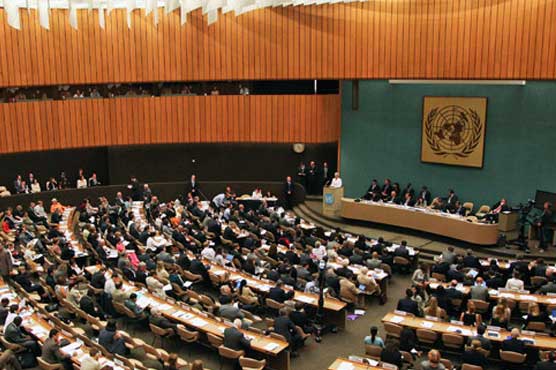
The United Nations Security Council on Friday eased sanctions on Libya, including on its national oil company and central bank, to enable key institutions to resume operations after a civil war.The 15-nation council voted unanimously for a resolution that also establishes a UN mission in Libya to help the North African nation get back on its feet after the overthrow of former leader Muammar Gaddafi.The resolution begins lifting six-month-old punitive measures imposed on Libya when Gaddafi was overseeing a crackdown against pro-democracy demonstrators.We all stand witness to the birth of a new Libya, U.S. Ambassador Susan Rice told the council.Despite arguments among council members since then over the application of previous resolutions, especially NATOs bombing of Gaddafis forces, the council came together after Libyas former rebels established control of most of the country.In Fridays resolution, the council declares its determination to ensure that assets frozen pursuant to (U.N. sanctions resolutions) shall as soon as possible be made available to and for the benefit of the people of Libya.The resolution lifts all sanctions against the Libyan National Oil Corporation and Zueitina Oil Company as part of what German Ambassador Peter Wittig said was an important step for Libyas economic recovery.It also partly eases sanctions against the central bank and other Libyan institutions, though special approval by the Security Councils Libya sanctions committee will still be needed to unfreeze their seized assets.An arms embargo will remain in place, but Libyas interim government and the United Nations will be allowed to import light weapons to maintain security.It does not, however, call for the deployment of peacekeepers or police as part of the new United Nations Support Mission in Libya. Nor does it call for an end to the no-fly zone over the country, although diplomats say Libyan civil airlines will be allowed to fly provided they notify monitors of their flight plans.Russias ambassador Vitaly Churkin said it is important for the Security Council to consider lifting the no-fly zone.Ibrahim Dabashi, Libyas deputy UN ambassador before he defected from the Gaddafi regime in February, represented Libya at theSecurity Council. He said this was a historic day, but said he hoped that UN members would respect Libyas choices going forward.The resolution also establishes a UN mission in Libya, which diplomats say will consist of up to 200 people in an initial three-month phase to help the government with a post-conflict transition.