Updated on
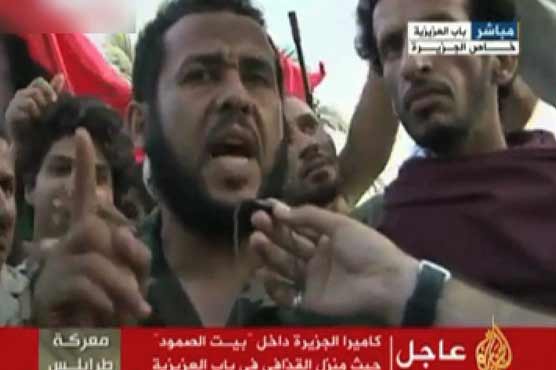
Summary Belhaj says British spies were among the first to interrogate him after he was returned to Tripoli.
One of Libyas senior rebel commanders has demanded an apology from the British and American governments following the discovery of secret documents which show MI6 and the CIA were involved in a plot that led to his capture and torture.Abdul Hakim Belhaj, the security commander in Tripoli, told a British news paper he was considering suing over the episode, which raises further damaging questions over Britains knowledge of the rendition and ill-treatment of prisoners.One document found in a treasure trove of abandoned papers shows a senior MI6 officer boasting to the Libyans about how British intelligence led to Belhaj being captured on 6 March 2004.Then a leading dissident member of the Libyan Islamic Fighting Group (LIFG), Belhaj was seized in Bangkok and handed over to the CIA, who he alleges tortured him and injected him with truth serum before flying him back to Tripoli for interrogation.Documents show that five days before he was taken back to Tripoli, MI6 gave Libya Belhajs French and Moroccan aliases, and told them he was in detention in Sepang, Malaysia.Belhaj told a British newspaper that British spies were among the first to interrogate him after he was returned to Tripoli, and that he was very surprised that the British got involved in what was a very painful period in my life.I wasnt allowed a bath for three years and I didnt see the sun for one year, he said. They hung me from the wall and kept me in an isolation cell. I was regularly tortured.Belhaj was released from the Libyan version of Abu Ghraib, Abu Selim prison, earlier this year after an amnesty announced by Gaddafi. He quickly took a lead role in the anti-government rebellion that ousted Gaddafi two weeks ago.This will not stop the new Libya having orderly relations with the United States and Britain, he said. But it did not need to happen. Scores of files, which were found abandoned at the British embassy and in the offices of senior members of the former regime, not only point to direct involvement of MI6 in this case, they also set out in sometimes excruciating detail how closely UK agencies were working with Libyan officials after Gaddafi came in from the diplomatic cold in 2004.The papers also show how MI5 appeared to seek a trade of information about Libyan dissidents in London for morsels of intelligence gleaned from Tripoli – despite Libyas reputation for torturing prisoners.