Summary “It’s a necessary rule to ensure the sensible use of House time and the proper respect for decision.
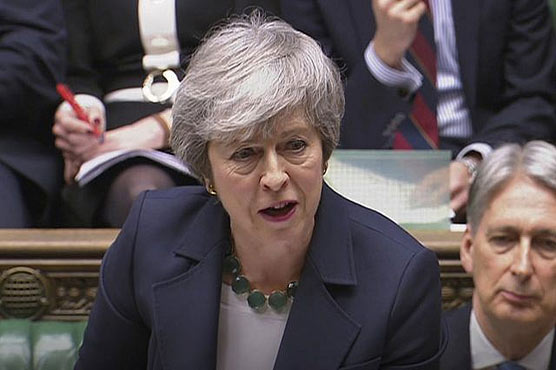
(Web Desk) - John Bercow has sensationally told Theresa May he will stop her making another attempt to pass her Brexit deal unless she has secured changes.
The Speaker said a further ‘meaningful vote’ would be ruled out of order if the motion was “the same or substantially the same’ – under an ancient convention to stop the government bullying parliament on issues MPs have rejected.
The decision is a major blow to the prime minister, who planned to pile pressure on MPs to change their minds with a third vote this week and, potentially, a fourth in the run-up to 29 March Brexit deadline
.Ms May has already admitted that the negotiations with the EU are over, making it hard for her to argue that a further meaningful vote will be on a different question.Crucially, the Speaker suggested something would have to be renegotiated with the EU to constitute a “change”, rather than, for example, a clarification of legal advice by the attorney general.
Mr Bercow said he had allowed last week’s second vote – which suffered a crushing 149-vote defeat – because it contained “legal changes the government considered to be binding”.
But he told MPs: “If the government wishes to bring forward a new proposition that is neither the same nor substantially the same as that disposed of by the House on 12 March, this would be entirely in order.Mr Bercow said he had allowed last week’s second vote – which suffered a crushing 149-vote defeat – because it contained “legal changes the government considered to be binding”.
But he told MPs: “If the government wishes to bring forward a new proposition that is neither the same nor substantially the same as that disposed of by the House on 12 March, this would be entirely in order.Erskine May, the parliamentary ‘bible’, states a motion should be ruled out of order if it is “the same, in substance, as a question which has been decided”.
Andrea Leadsom, the Commons leader, then admitted repeat votes could break the rules, saying: “There is something called ‘the same question’ issue, which is where you can’t put exactly the same wording to the House in the same session multiple times.”
Speaking to a silent Commons, Mr Bercow said MPs “on both sides of the Brexit argument” had expressed concerns to him about repeat votes on Ms May’s deal.
He said the Speaker of the day had ruled out repeat votes on issues on 12 occasions up until 1920 – and had only not happened since because of “general compliance”.
“This convention is very strong and longstanding, dating back to 2 April 1604,” Mr Bercow said.
“It’s a necessary rule to ensure the sensible use of House time and the proper respect for the decision which it takes.”