Summary 'The targets are people who want to come and literally experience this country'
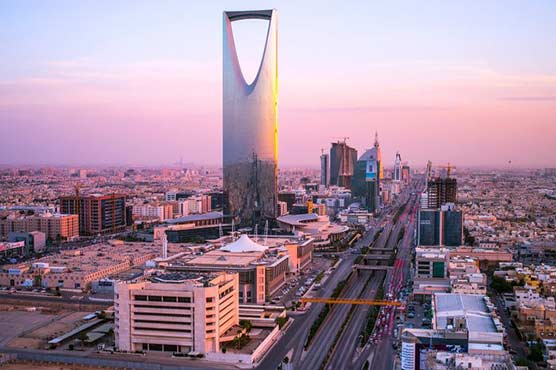
(Web Desk) – Saudi Arabia has decided to launch tourist visas in early 2018 as part of kingdom’s unprecedented social and cultural reforms to diversify the economy in the wake of declining oil resources in the country.
According to a Saudi official, Prince Sultan bin Salman bin Abdulaziz told that "all government approvals" are in place for the launch of electronic visas next year to “all nationals whose countries allow their citizens to visit” Saudi Arabia.
Apart from the millions of Muslims who travel to Saudi Arabia for the Hajj and Umrah pilgrimage, most visitors face an arduous process and steep fees to enter the kingdom.
Saudi Arabia currently grants tourist visas for a limited number of countries, but even those applications involve a range of restrictions, including requirements to travel through an accredited company and stay at designated hotels.
"The targets are people who want to come and literally experience this country, and really the grandness of this country," Prince Sultan bin Salman bin Abdulaziz, head of the Saudi Commission for Tourism and Natural Heritage, said in an interview.
Saudi Arabia’s 32-year-old heir to the throne, Crown Prince Mohammed bin Salman, is seeking to develop new industries to wean his country off its dependency on oil exports.
He has also taken some steps to loosen its ultra-strict social restrictions, scaling back the role of religious morality police and announcing plans to allowing women to drive next year.
Plans to admit significant numbers of tourists from abroad have been discussed for years, only to be blocked by conservative opinion and bureaucracy; the commission announced such a plan as long ago as 2006, but it did not go ahead.
This time, the government appears determined to push through the change, partly because of financial pressures. It hopes to earn billions of dollars to cover a state budget deficit caused by low oil prices.
Economic reforms aim to lift total tourism spending in the country - by local citizens as well as foreigners - to $46.6 billion in 2020 from $27.9 billion in 2015.