Updated on
Summary
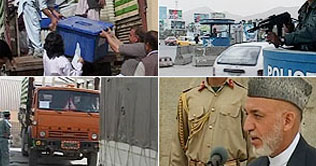
Security was back to normal and the streets were quiet in the Afghan capital , following parliamentary elections marred by violence. Afghan officials hailed the parliamentary vote on Saturday as a success despite low turnout, attacks that killed 14 people and widespread fraud that could undermine the result and test the government's credibility. Taliban attacks and attempts at vote-rigging were reported across the country. While there was less violence, attacks were more widespread than during a deeply flawed presidential vote last year and reached into once peaceful areas. Voters appeared hesitant after a series of rocket attacks, beginning with a pre-dawn strike near the main headquarters of NATO-led troops and the U.S. embassy in the capital, Kabul. The Taliban said on their website after polls closed they had conducted more than 150 attacks, fewer than the 272 blamed on insurgents during last year's presidential poll. People who voted said the polling went better than expected. The election was being closely watched in Washington ahead of U.S. President Barack Obama's planned war strategy review in December, which will likely examine the pace and scale of U.S. troop withdrawals after nine years of war. A flawed poll would also weigh on Obama when his administration faces mid-term Congressional elections in November amid sagging public support for the war, with violence at its worst since the Taliban were ousted in 2001.As well as the low turnout and violence, thousands of reported attempts at fraud threatened to undermine the poll's credibility, and that of Afghan President Hamid Karzai.It will not be clear for several weeks who among the almost 2,500 candidates have won the 249 seats in the wolesi jirga, or lower house of parliament. Early results will not be known until at least Oct. 8, with final results not due before Oct. 30.Poll observers expect thousands of complaints, which must be lodged within 72 hours and could delay the process further.