Updated on
Summary
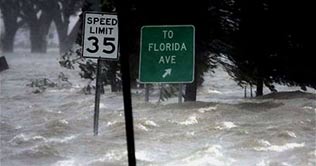
Five years ago, Hurricane Katrina ripped through the Gulf Coast, claiming 1,500 lives in four states and causing more than $115 billion in damages. The third-strongest hurricane ever in the United States made a direct hit on New Orleans, Louisiana on Aug. 29, 2005. The Category 3 storm flooded 85 percent of the bowl-like city mostly below sea level, after its dated system of levees and flood walls failed in more than 50 places. The southern tourist destination -- popular for its cajun cuisine, jazz music and Mardi Gras festivals -- became a byword for disaster after the storm produced images never before seen in an American city: desperate masses wading through flooded neighborhoods, bodies decomposing on city streets, and residents on rooftops pleading for help. A million people fled the New Orleans area before Katrina arrived, but tens of thousands of others had lacked the means or ability to get out. Many of them sought refuge at the city's landmark Superdome stadium, converted to an enormous relief shelter. Hundreds of others that stayed were plucked from the rooftops of their inundated houses by military helicopters and taken to the city's convention center.We want help frustrated crowds chanted as they waited for days in the sweltering summer heat for much-needed relief.I am making a new shirt for my baby because I have no clothes. He is all dirty and he's just two months. Two months,' a distraught mother cried. The delayed relief and rescue effort became a permanent stain on President George W. Bush's legacy. A photo-op where Bush praised the disgraced former FEMA director Michael Brown remains a symbol for the administration's response.Brownie, you're doing a heck of a job, Bush said.Two weeks after Katrina made landfall, Bush made live a prime-time address to the nation from New Orleans' historic Jackson Square in the French Quarter.Throughout the area hit by the hurricane, we will do what it takes. We will stay as long as it takes, to help citizens rebuild their communities and their lives, he said. But the road to recovery was not just a task for New Orleans. The storm, after slamming Louisiana with 140 mph (224 kph) winds, inflicted catastrophic damage all along the Gulf Coast -- littering the states of Mississippi and Alabama with debris.The swath of destruction left behind earned Katrina the dubious distinction of being the costliest natural disaster in U.S. history.