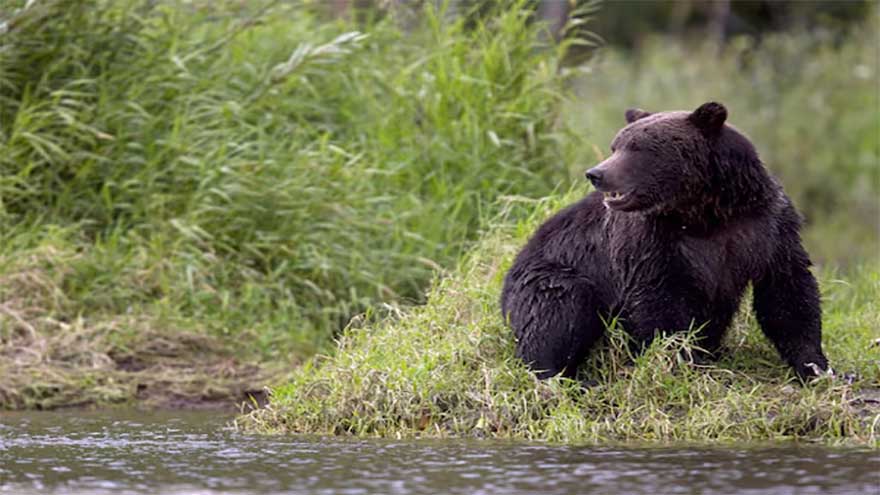
Summary Officials say changing weather patterns have disrupted this behaviour. Warmer temperatures, delayed snowfall and shrinking food availability are believed to be keeping bears active
(Web Desk) - A series of violent encounters between Asiatic black bears in the Himalayan state of India has prompted officials to impose emergency rules, including authorising lethal force in extreme circumstances.
At least five people have been killed in Uttarakhand bear attacks this year, according to forest department officials.
The number marks the highest annual toll since 2016. Attacks have also left scores injured and caused extensive livestock losses in remote mountain villages that rely heavily on cattle for subsistence.
The crisis has unfolded during the pre-hibernation period, when bears typically gorge on food before retreating to higher altitudes for the winter.
Officials say changing weather patterns have disrupted this behaviour. Warmer temperatures, delayed snowfall and shrinking food availability are believed to be keeping bears active for longer and pushing them closer to human settlements in search of food.
RK Mishra, Principal Chief Conservator of Forests, Wildlife, attributed the unusual aggression to climatic shifts.
“This year, there has been very little snowfall in the high-altitude regions, and winter arrived late. Normally, bears hibernate by early November, but the lack of snow and scarcity of food are keeping them active, leading to increased restlessness and aggression,” he said.
Climate specialists and wildlife biologists say the unusual aggression and increased movement may reflect both habitat degradation and global warming.
Reduced snowfall shortens the hibernation period, meaning bears remain active when food in the wild is most scarce.