Updated on
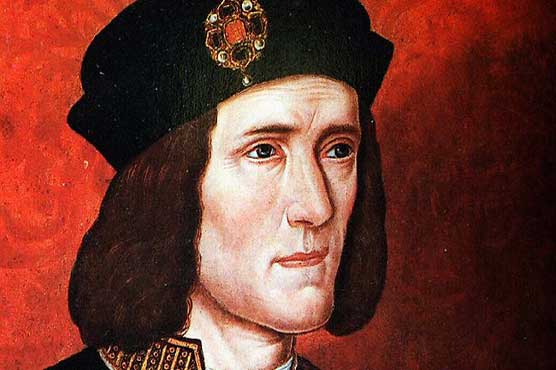
Summary Archaeologists searching for remains of Richard III are a step closer to his resting place.
The dig to recover the body of the king, who was defeated at the Battle of Bosworth by Henry Tudor in 1485, has unearthed the long-lost Franciscan Friary where he was buried.The church, which is also called Grey Friars, was known to be where Richard III was buried but its exact whereabouts had become lost over time.The discovery of the friary means the project, led by a team from the University of Leicester, has edged closer to finding the deposed monarchs grave.Lead archaeologist Richard Buckley, co-director of University of Leicester Archaeological Services, said: “The discoveries so far leave us in no doubt that we are on the site of Leicesters Franciscan Friary, meaning we have crossed the first significant hurdle of the investigation.“It is remarkable that the third trench has now made us certain that we have located the Friary church – not only a huge step forward in the search for the remains of Richard III, but also important new evidence for one of Leicesters major religious buildings, lost for over 400 years.” The search began more than a week ago and involved digging two trenches in a council car park before a third trench was excavated.The latest find shows evidence of a passageway measuring two metres in width that originally had a tiled floor, indicating a cloister walk.There is a second building aligned at right angles with the aisle, also with a tiled floor.“The size of the walls, the orientation of the building, its position and the presence of medieval inlaid floor tiles and architectural fragments makes this almost certainly the church of the Grey Friars, Mr Buckley added.“The next step – which may include extending the trenches – will seek to gain more information on the church in the hope that we can identify the location of the choir and high altar.Finding the choir is especially important as this is where Richard III is recorded as having been buried.”Mr Buckley said the discovery had fired up the project and left archaeologists extremely excited.There has been widespread interest in the project, which is being filmed for a Channel 4 documentary.