Updated on
Summary Destruction of ancient sites in Timbuktu recalls pulverising of statues of Buddha in Afghanistan.
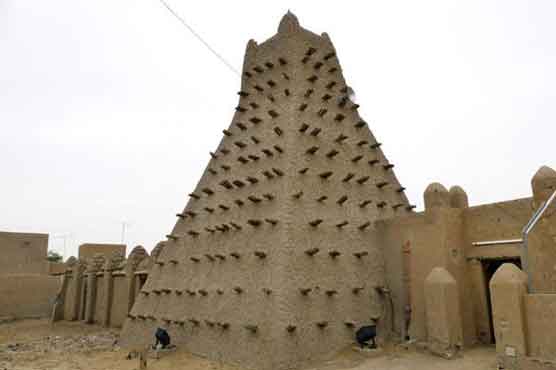
Like the demolition under way in the west African state of Mali, where rebels have seized a large swathe of northern territory in recent months, the giant Buddha statues of Bamiyan were attacked by Islamic extremists on the grounds that they were idolatrous.However the Bamiyan Buddhas did not symbolise the identity of local people to the same extent as the 15th-century mosque currently under attack in Mali, Buddhism having been practically extinct in Afghanistan for more than 1,000 years.The two massive Buddhas, which had long been lacking their faces when Taliban militants destroyed them in March 2001, were carved into sandstone cliffs near the town of Bamiyan, and were a tourist attraction.The larger, with masculine features, was known as the Sorkhbot, or red statue. It stood 55 metres (181 feet) tall and was considered the worlds tallest standing statue of the Buddha.The smaller one, with feminine traits, was known as Shah Mama, or Mother of Kings. It stood 38 metres (124 feet) high.The two structures were reduced to dust over 25 days, first assailed by rocket-propelled grenades and artillery shells, and then by dynamite when they proved unexpectedly sturdy.The smashing of the Bamiyan Buddhas sparked worldwide protests. A delegation of Muslim leaders visited the Taliban authorities in the southern Afghan city of Kandahar, pleading unsuccessfully to them to halt the demolition.Formerly protected by pilgrims, and monks who lived in nearby caves, the Buddhas of Bamiyan had been one of Afghanistans leading tourist attractions until the 1979 Soviet invasion and subsequent civil war.In 2003, after their destruction, their site was placed under UNESCO protection. However attempts to plan their rebuilding have been stymied by the continuing conflict in Afghanistan, and the need to assign funds to more urgent tasks.