Updated on
Summary British chefs and tourism chiefs hope to change reputation of serving heavy food.
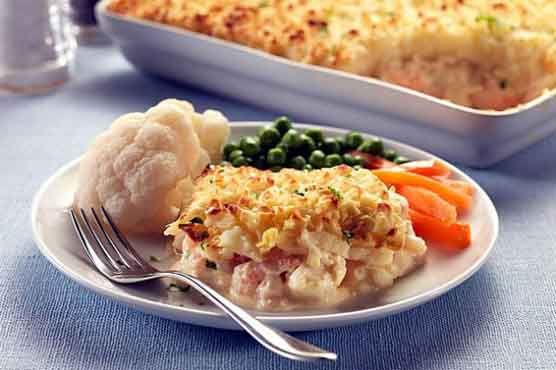
Boiled potatoes, stringy beef and overcooked vegetables. If thats your impression of British food, youre not alone.The country hosting the Summer Olympics has an international image as a culinary wasteland, but with hundreds of thousands of tourists, athletes and journalists descending on London in less than a month, British chefs and tourism chiefs hope to change that dire reputation.To be sure, the Olympic and Paralympic Games will feature an industrial-scale catering operation that aims to serve 14 million meals much of it fast food to those coming for the July 27-Aug. 12 games. And workers at the Olympic Park are putting the finishing touches on four temporary McDonalds including the worlds largest, a two-story giant capable of serving 14,000 people a day.But British foodies say the country has much more to offer. London is one of the three best cities in the world to eat in right now, said Heston Blumenthal, an ebullient celebrity chef who has been instrumental in challenging Britons palates with his mad-scientist enthusiasm for innovative molecular gastronomy.But if people havent been to Britain for 15 years or 20 years, theyre going to go Oh my God, its horrible, he admitted.Blumenthal, whose Fat Duck restaurant in the southern England village of Bray is consistently rated among the worlds best, has been hired by British Airways, along with chef Simon Hulstone, to create special Olympic menus celebrating British food to be served on flights this summer.Starters include mackerel with pickled cucumber and golden beetroot and peppered goats curd salad; mains range from fish pie with parmesan pomme puree to braised British beef with mustard and horseradish mash. The recipes seek to combine strong flavors rare in airplane meals with British traditions harkening back to 1948, the last time London hosted the Olympic Games.In typical Blumenthal fashion, creating the menus involved science, with research into the degrading effects of altitude on a passengers sense of taste.Hulstone said the key turned out to be using foods that are rich in umami, the savory fifth taste that goes along with bitter, sweet, salty and sour. The goal was simple but memorable food.Just simple ingredients: parmesan cheese, goats cheese, mackerel, tomatoes, soy sauce, mustards and mushrooms, Hulstone said. But they work.BA says 3 million people will be served the Olympic meals, offered on long-haul flights out of Heathrow airport between July and September. Hulstone also has created a special menu for inbound flights from the U.S.The culinary enticements continue at Olympic Park, where McDonalds is not the only option. In the athletes dining hall, competitors can chose from British, European, Mediterranean, African and Caribbean dishes, with Halal, Kosher and low-salt meals available.Spectators can sample British favorites such as roasted pork on a roll, Red Leicester cheese and apple chutney sandwiches and cod and chips as well as international fare such as pizza, Singapore noodles and jerk chicken wings.Across Britain, there is a new pride in local food.From sticky toffee pudding from Cartnmel to oysters from Whitstable, salt marsh lamb from North Wales, or smoked salmon from Scotland, our food is key to our cultural identity, Prime Minister David Cameron said at a reception to celebrate British cuisine. British food showcases our heritage, openness, creativity and diversity.Its a big change for a cuisine that, according to food historian Ivan Day, really did live down to its image.The decline began in the late 18th century, when the Industrial Revolution forced millions of people off the land and into cities, where many lost touch with old ways of growing and preparing food.We were the very first industrialized nation in the world, said Day, who specializes in unearthing Englands pre-industrial cooking traditions. We were the first people to be fed out of factories.In the decades that followed, World War I killed hundreds of thousands of Britons, including many skilled cooks, bakers and butchers. World War II left the country victorious but impoverished a Third World country with a cold climate, Day said. Food remained strictly rationed for several years after the war.We lost what France, Italy, bits of Germany, Portugal and Greece had a regional, rural cuisine, he said. A friend of my fathers saw a red pepper for the first time in the 1960s, and he called it foreign muck.That attitude is now rare. Immigration has transformed British cuisine to such an extent that chicken tikka masala, a hybrid Anglo-Indian curry, is often called the countrys national dish.And older British traditions are being rediscovered. During recent celebrations of Queen Elizabeth IIs Diamond Jubilee, picnics and parties across the land featured fruit jellies, Victoria sponge and other old-fashioned comfort foods.Once-humble dishes like the stew known as Lancashire Hotpot or sugary Treacle Tarts now appear on fashionable restaurant menus.Blumenthals London restaurant, Dinner, draws inspiration from centuries of British cooking, with dishes including roast marrowbone, spiced pigeon and meat fruit a medieval confection of chicken liver parfait in mandarin jelly.Good food is not limited to high-end restaurants. The gastropub revolution has brought fine dining to pubs, where food choices were once limited to potato chips and pickled eggs. Quality varies, but the best are very good indeed.Farmers markets have sprouted across the land, offering everything from organic asparagus to homemade pork pies. The biggest, such as Londons Borough Market, are major tourist attractions.Britains large supermarkets also have a range of produce, meats and cheeses.And yet, to Days frustration, the dire image lingers.Its one of these silly historical cliches, he sighed. Youve always been able to get good food in England. Sometimes its been more difficult than others. At the moment, its dead easy.