Updated on
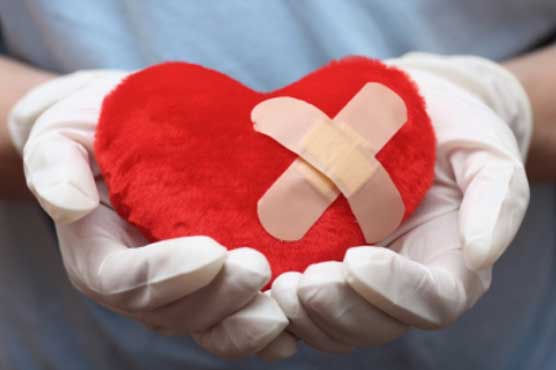
Summary Females are seven to nine times more likely to suffer broken heart syndrome, than men.
The classic case is a woman who has just lost her husband, said Dr. Mariell Jessup, a University of Pennsylvania heart failure specialist who has treated many such cases.Cyndy Bizon feared that was happening when her husband, Joel, suffered a massive heart attack in 2005. May God work through your hands, the Maine woman told the surgeon as her husband was wheeled past her into the operating room. She later collapsed at a nurses station from broken heart syndrome and wound up in coronary care with him. Both survived.Japanese doctors first recognized this syndrome around 1990 and named it Takotsubo cardiomyopathy; tako tsubo are octopus traps that resemble the unusual pot-like shape of the stricken heart.It happens when a big shock, even a good one like winning the lottery, triggers a rush of adrenaline and other stress hormones that cause the hearts main pumping chamber to balloon suddenly and not work right. Tests show dramatic changes in rhythm and blood substances typical of a heart attack, but no artery blockages that typically cause one. Most victims recover within weeks, but in rare cases it proves fatal.Dr. Abhishek Deshmukh of the University of Arkansas had treated some of these cases.Using a federal database with about 1,000 hospitals, Deshmukh found 6,229 cases in 2007. Only 671 involved men. After adjusting for high blood pressure, smoking and other factors that can affect heart problems, women seemed 7.5 times more likely to suffer the syndrome than men. It was three times more common in women over 55 than in younger women. And women younger than 55 were 9.5 times more likely to suffer it than men of that age.No one knows why, said Dr. Abhiram Prasad, a Mayo Clinic cardiologist who presented other research on this syndrome at the conference.One theory is that hormones play a role. Another is that men have more adrenaline receptors on cells in their hearts than women do, so maybe men are able to handle stress better and the chemical surge it releases, Deshmukh said.Bizon was 57 when her attack occurred; shes now 63. She and her husband are pharmacists and live in Scarborough, Maine. About 1 percent of such cases prove fatal, the new study shows.About 10 percent of victims will have a second episode sometime in their lives. And although heart attacks happen more in winter, broken heart syndrome is more common in summer.