Updated on
Summary The Shenzhou 8 craft re-docked with the Tiangong 1 module for a second time.
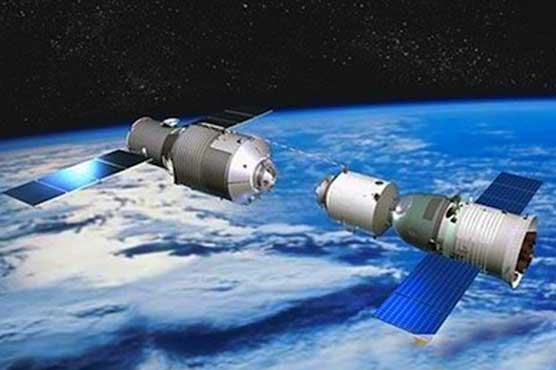
Two unmanned Chinese spacecraft successfully docked together for a second time, state-run media reported, in Chinas latest step toward placing its own space station in orbit.The Shenzhou 8 craft re-docked with the Tiangong 1 module that will form part of a future space lab, and the two were jointly orbiting Earth, Xinhua News Agency reported, citing the missions control center.About half an hour before the Monday evening docking, Shenzhou 8 had successfully disengaged from the module after a 12-day flight together, Xinhua said.In a commentary, Xinhua said the Shenzhou 8 mission had laid a solid steppingstone for deep space exploration.The autonomous docking know-how now enables China to build space stations, resupply them, transfer astronauts and rescue them, it said.One expert said not having to have crews on board when docking spacecraft was a big step toward building a space station and developing a human spaceflight programme.They have plans to build a space station, and of course thats not possible without perfecting docking between two different craft, and the fact that they have perfected automated docking is a big step forward. The Americans didnt do it for decades after they launched their space program, said Peter Bond, consultant editor for Janes Space Systems and Industry.Shenzhou 8 was launched Nov. 1 and first docked with the already orbiting Tiangong 1 on Nov. 3. Chinas first space docking took place in an orbit 213 miles (343 kilometres) above Earth, Xinhua said. The craft is due to return to Earth on Thursday.The docking mechanism, composed of 10,000 parts, and the more than 600 instruments aboard Shenzhou 8 were all developed and made in China, Wu Ping, spokeswoman for Chinas manned space program, was quoted as saying.China will conduct two more space docking missions next year, and plans to establish its own space lab around 2016 and a manned space station around 2020, Wu said.