Summary For 2018-2022, this algorithm predicts "a warmer than normal period" that will "temporarily enhance" warming
(WebDesk) - The years 2018 to 2022 should be even warmer than predicted climate models, according to a study released Tuesday that looks at the swings in moods of global warming.
The variations of the annual average temperature depend on the climate change caused by the human activities but also on the intrinsic variability of the climate, which makes the forecasts from one year to the other all the more difficult.
To refine these predictions, a team of scientists has invented a new forecast system called ProCast (Probabilistic forecast), based on a statistical method and existing climate models.
For 2018-2022, this algorithm predicts "a warmer than normal period" that will "temporarily enhance" warming, according to the study published in Nature Communications, which points out that global warming "is not a smooth process and monotone".
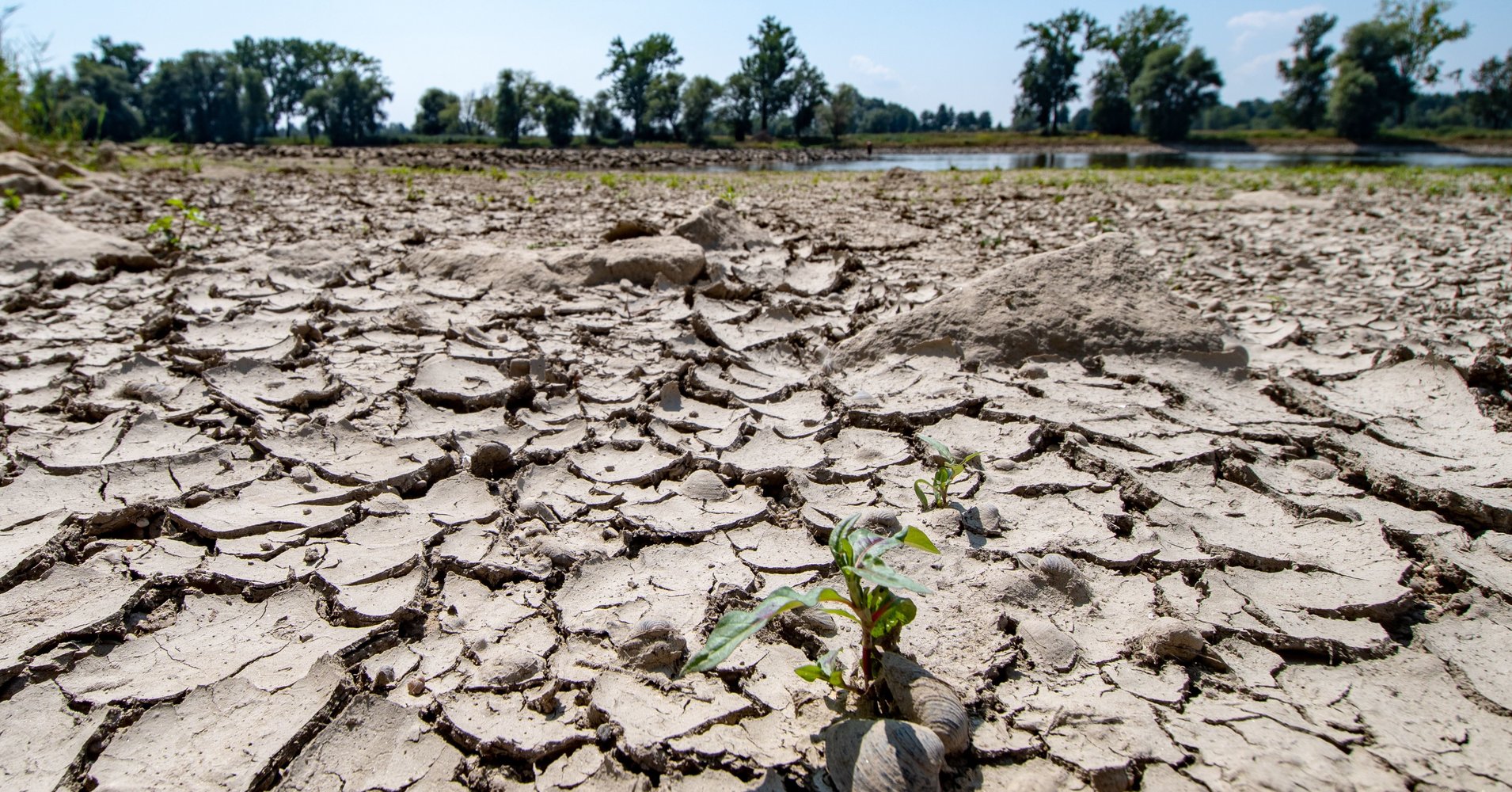
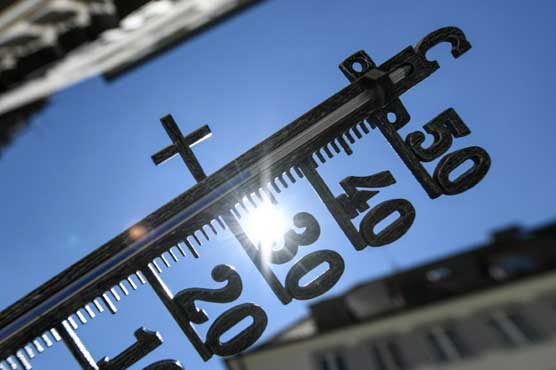
Due to climate change, the planet has already gained 1 ° C since the pre-industrial era, which averages + 0.01 ° C per year. But this increase can be, depending on the year, counterbalanced or, on the contrary, reinforced by the natural variability of the climate.
For 2018-2022, the impact linked to the natural variability of the climate will be "equivalent to anthropogenic global warming", which will thus result in an average temperature increase that is twice as high as with man-made warming alone, the main author Florian Sévellec, of the Physical and Space Oceanography Laboratory (CNRS / Ifremer), told AFP.
"We have entered a heat phase, driven by natural variability, which is expected to last five years or more," he added.
According to the study, the risks of unusually high temperatures on the sea surface will also be higher, a hurricane-prone situation.
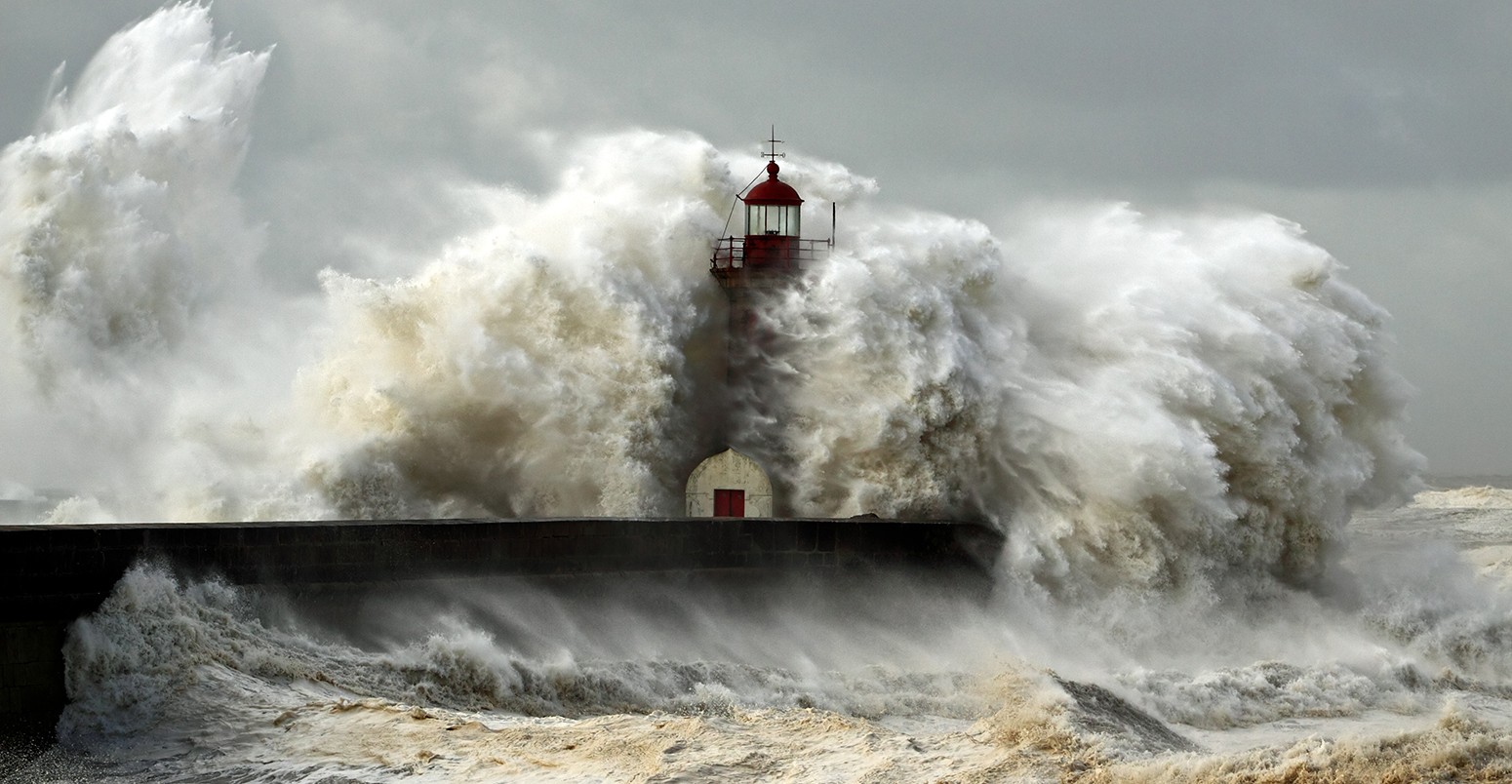
The new system currently only forecasts the annual average temperature of the planet, but the researchers hope to be able to develop regional forecasts as well as precipitation or drought trends, in response to a "growing societal demand for precise forecasts and forecasts. reliable from one year to another ".
The last three years have already been the hottest ever recorded. And despite the commitments of the signatory states of the 2015 Paris agreement to reduce their greenhouse gas emissions, the planet is heading towards a world at + 3 ° C compared to the pre-industrial era, with its lot announced droughts, hurricanes or areas submerged by water.