Summary Pakistan ranks amongst the countries with the worst health indicators.
Dunya News Report (Humaira Sajid)
ISLAMABAD - Minister of State for National Health Services, Regulation and Coordination, Saira Afzal Tarar on Tuesday visited the employees of National Institute of Health (NIH) and promised to solve the problems of the health sector gradually.
Speaking at the ceremony organized by NIH Workers Welfare Association, she assured that steps are being taken for improving the service structure of the employees in departments of the Health Ministry as well as National Institute of Health.
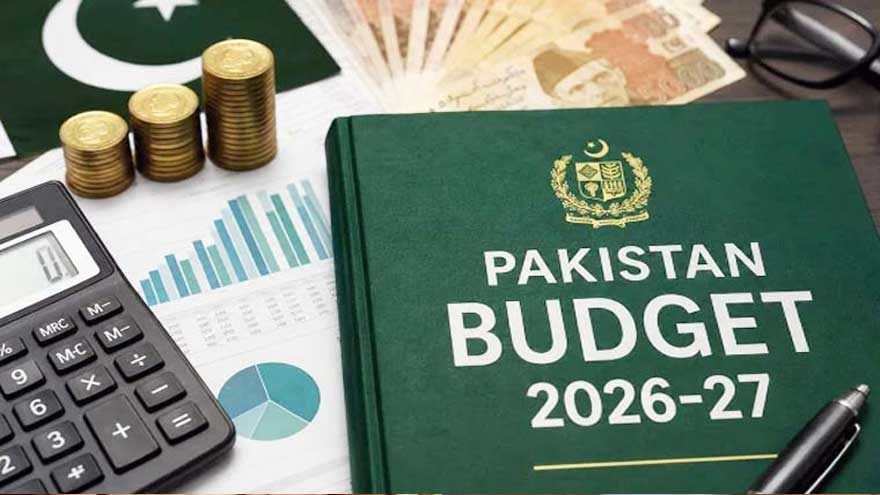
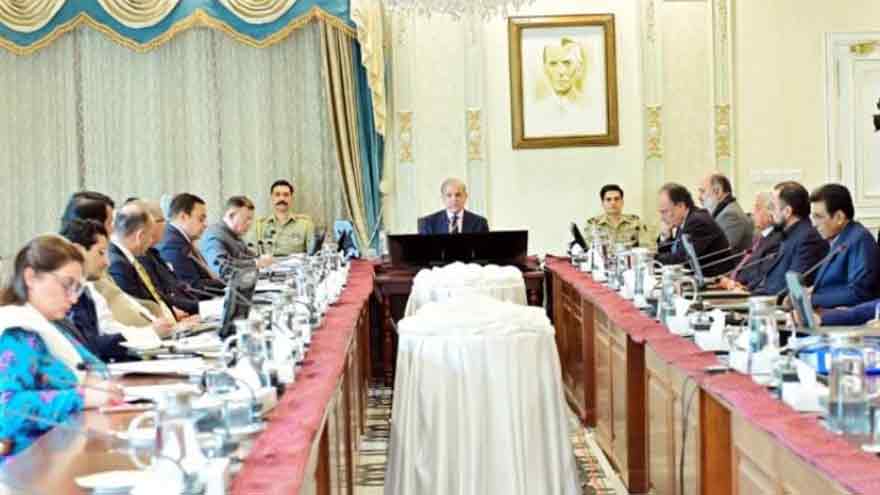
While the government officials keep reminding of their commitments to eliminate the obstacles encompassing the health sector, effective and constructive policies in this spectrum remain figmental. Unfortunately, the national assembly and senate approve the budget of Pakistan every year without much questioning or criticism. Apparently, the budget 2014-15 figures do not complement the promises made by the government and present a different view of the government’s priorities, that are far from being poor-friendly.
According to the budget 2014-15 statistics, the education and health sectors also did not receive their due share. An amount of Rs74.031 billion was earmarked for both sectors, showing an increase of only 1.5% compared to the previous year, which is insignificant considering the population growth and inflation hovering around 9%.Of the amount of Rs74 billion, only 13.5% goes to the health sector.
On the other hand, under pillar one of the Vision 2025, the government promised that a larger share of the gross domestic product (GDP), at least 4% to education and at least 3% to health, would be allotted to these sectors. The aim is to achieve universal primary education with 100% net primary enrolment, expansion of higher education coverage from 7% to 12% and increase in the proportion of population with access to improved sanitation from 38% to 90%.
However, resource allocation does not show any political will to prioritize human development. In its current shape, Pakistan is the embodiment of a security state where human development barely attracts attention. It is stated in a study by the WHO (World Health Organization) that for every doctor available in Pakistan there are 1,250 patients who need treatment, for every bed of hospital there are 1,666 candidates of the hurt and the sick and there is 1 dentist for every 10,000 Pakistanis.
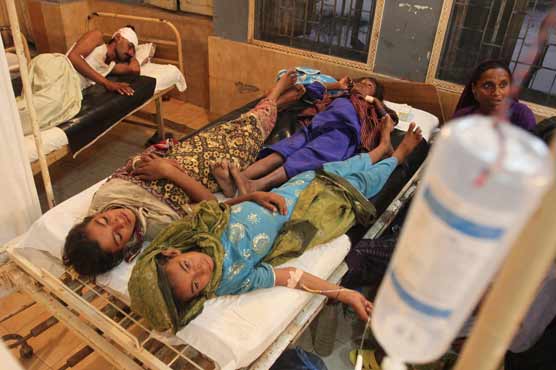
Following this, it does not come as a surprise that Pakistan ranks eighth on the list of “High Burden Tuberculosis Countries”, has a high incidence of Malaria, HIV, Hepatitis A and E, Dengue Fever, Bacterial Diarrhea, Typhoid and so many other diseases. However, the problems with the provision of medical facilities remain numerous and the citizens of Pakistan are deprived of their health rights.
Policy Research Institute of Market Economy (PRIME) Executive Director Ali Salman said that the present government has so far shied away from reforms it promised before elections. In order to upgrade the health sector very crucial attention and steps needs to be taken by government, public and private health sectors and by community people. Government should give keen attention towards allocating the health resource according to the principle of equity. It should not be directed towards urban population only but rural areas should also get access to quality health care services in order to improve their health status.
Advisor to Chairman Pakistan Tehreek-e-Insaf Dr Yasmin Rashid has said low allocation of GDP on health facilities has proven the anti-poor policies of the government. On the other hand an unbridled 35 per cent increase in medicine prices exposed the cruel approach of the incumbent rulers towards the masses. Focusing on the golden rule of “Health is wealth”, the government of Pakistan should take appropriate measures for the betterment of health facilities in Pakistan. There should be strong policies with accurate implementation.