Summary Ishaq Dar urges dialogue, stronger regional ties and five ECO priorities, while calling on Afghan authorities to address neighbouring countries' security concerns.
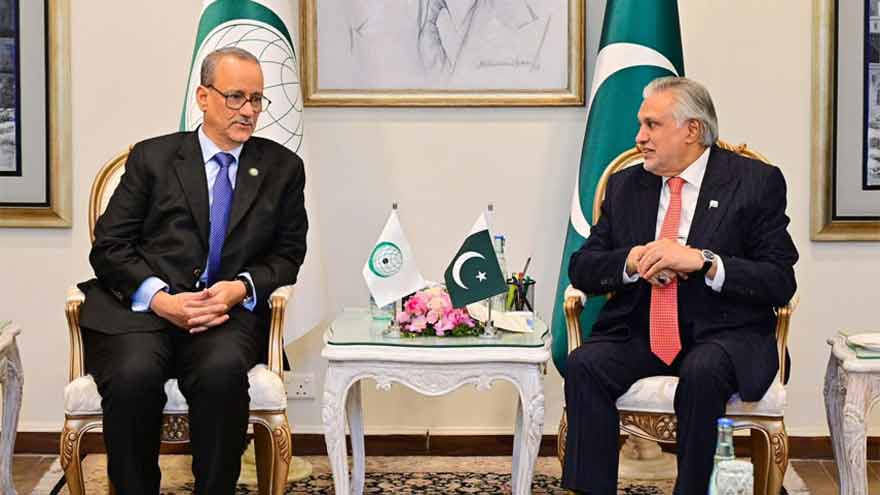
ISLAMABAD (Dunya News) – Deputy Prime Minister and Foreign Minister Ishaq Dar has stressed the need to resolve disputes through dialogue to promote regional development, saying stronger cooperation among member states is essential to address shared challenges and unlock economic opportunities.
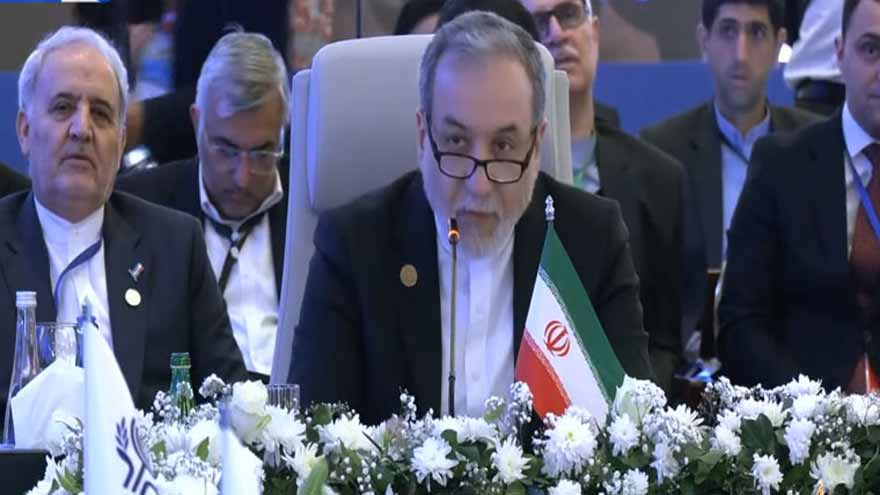
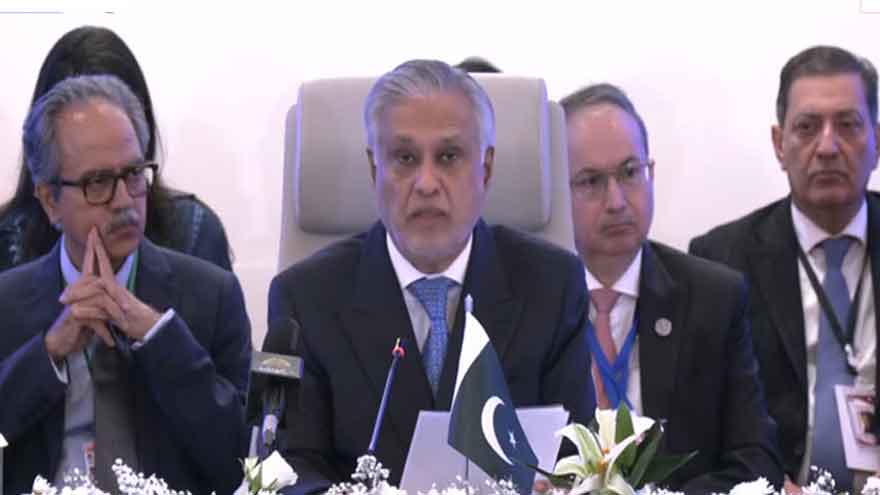
Addressing the 30th Council of Ministers meeting of the Economic Cooperation Organization (ECO) in Islamabad on Monday, Dar welcomed the participating delegates and said Pakistan would play its role in strengthening connectivity among member states. He emphasised that regional countries must work together to overcome common challenges.
Dar said Pakistan wanted to promote trade and investment, adding that mutual cooperation would open new avenues for development. He stressed the need for practical measures to achieve economic progress across the region.
Expressing concern over the tense situation in the Middle East, the deputy prime minister said disputes must be resolved through dialogue. He added that regional connectivity needed to be strengthened in view of rapidly changing technology.
He said Pakistan wanted to resolve issues through dialogue and diplomacy and remained committed to promoting peace and stability in the region. Dar described the revival of regional cooperation as a continuation of previous efforts, reflecting both the challenges facing the region and its future opportunities.
He said the need for stronger regional cooperation had increased amid geopolitical uncertainty, economic pressures and rapid technological changes. Many challenges confronting member countries extended beyond national borders and required closer coordination and collective action.
Dar said there was no need to start from scratch to revive regional cooperation. Instead, existing foundations needed to be strengthened and previous commitments pursued with renewed determination. He stressed that regional cooperation must become more effective and responsive to public needs.
He said the region's strength depended not only on its ability to address challenges but also on its preparedness to deal with them in advance. Building strong partnerships was equally important to tackle future challenges.
The deputy prime minister noted that ministerial and sectoral meetings held under the ECO framework during the year had helped maintain continuity of cooperation in key areas.
He said the roadmap approved by ECO trade ministers in November 2025 provided a foundation for advancing regional trade arrangements. He added that the informal meeting of the ECO Council held in New York in September had reaffirmed member states' shared commitment to deeper economic integration and connectivity.
Dar said work on finalising the Strategic Objectives of Economic Cooperation for 2026-2035 had helped set the direction for future efforts and provided a strong foundation for the next phase of the organisation's work.
He said the priority now was to translate this progress into practical measures that could strengthen economic ties and deliver lasting benefits to people across the region.
Dar pointed out that the region's natural resources, energy reserves, agricultural potential and strategic location offered significant opportunities for closer economic cooperation. However, he said geographical proximity alone was not enough to realise the region's economic potential.
He announced that Pakistan would focus on five priorities during its ECO chairmanship for 2026-27.
The first priority is the promotion of trade and investment. Pakistan will support improved access to regional markets, stronger value chains and greater private-sector participation, with particular attention to the inclusion of small and medium-sized enterprises. Dar said closer links between business communities could create more opportunities for trade and investment.
The second priority is regional connectivity. Pakistan will work with member states to improve transport and transit links between Central Asia, South Asia and Pakistani ports on the Arabian Sea. He said harmonising customs procedures, improving border management and establishing reliable transit systems were essential for efficient trade routes.
He added that making better use of existing ECO transport and transit arrangements would be important to facilitate the movement of goods across the region.
The third priority is advancing the ECO Trade Agreement. Dar said the negotiating strategy and roadmap approved by ECO trade ministers in November 2025 provided a basis for modernising the agreement. Pakistan would support continued engagement among member states to establish an effective, inclusive and digitally enabled regional trading system.
The fourth priority is strengthening regional resilience against natural and economic challenges. He said climate change, natural disasters and growing pressure on water and energy resources were seriously affecting regional economies and livelihoods.
Dar stressed the importance of cooperation in disaster preparedness, early warning systems, sustainable water management and climate-resilient infrastructure.
The fifth priority is investment in people and human resources. He described the region's young population as one of its greatest strengths, saying improved opportunities in education, research, innovation and technical training could equip young people with skills required by changing economies.
He added that promoting entrepreneurship and professional exchanges would further strengthen the human foundations of regional integration.
Dar emphasised that the five priorities were interconnected, explaining that stronger regional connectivity promoted trade, while increased investment created economic opportunities. Cooperation in addressing natural challenges and advancing human development would help sustain these economic benefits.
He said the success of the priorities would depend on the member states' collective efforts to achieve their goals effectively.
Speaking about Afghanistan, Dar said Pakistan desired a peaceful, prosperous and stable Afghanistan, fully integrated into the ECO framework and at peace with itself and all its neighbours.
He said such an outcome would benefit not only the Afghan people but also the wider region by opening important avenues for trade, transit and economic cooperation.
However, Dar stressed that meaningful progress towards regional cooperation required the Afghan authorities to address the legitimate security concerns of neighbouring countries, particularly the threat of terrorism.
He said a secure and stable environment was essential for sustained regional economic partnerships, adding that these considerations remained central to Pakistan's broader connectivity agenda.
Meanwhile, senior officials of the ECO member states finalised the agenda and draft Islamabad Communiqué ahead of the organisation's 30th Council of Ministers meeting.
According to a statement issued by the Ministry of Foreign Affairs, the Senior Officials Meeting (SOM) was held on November 15 under the chairmanship of Foreign Secretary Ambassador Asim Iftikhar Ahmad.
The meeting was attended by senior officials from ECO member states, representatives of the ECO Secretariat, and delegates from the organisation's specialised agencies and regional institutions.
The officials reviewed preparations for the ministerial meeting and finalised its agenda and the draft Islamabad Communiqué for consideration by the foreign ministers.
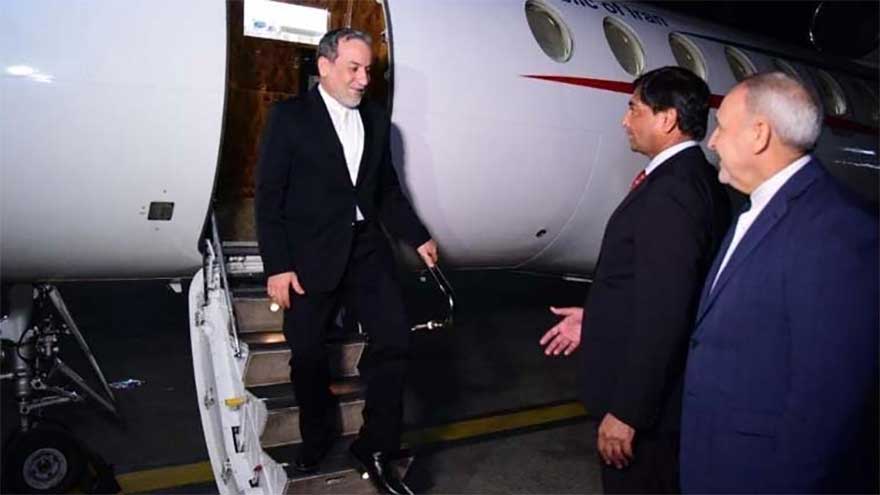
Foreign delegates arrive in Islamabad for 30th ECO ministerial meeting
They also reviewed activities undertaken by the ECO Secretariat during the year, including ongoing programmes and initiatives, outcomes of sectoral ministerial meetings, and the work of subsidiary bodies and specialised institutions.
Administrative and financial matters of the organisation also came under discussion, with participants exchanging views on measures to improve its effectiveness.
The Senior Officials Meeting serves as a preparatory forum for the Council of Ministers, enabling member states to assess progress, discuss issues of mutual interest and build consensus on proposals and draft documents ahead of ministerial-level deliberations.
Pakistan currently holds the ECO chairmanship for 2026-27 under the theme "Reviving Regionalism for a Resilient ECO". The organisation comprises 10 member states: Pakistan, Afghanistan, Azerbaijan, Tajikistan, Iran, Turkiye, Kazakhstan, Turkmenistan, Kyrgyz Republic and Uzbekistan.