Summary Defending the provision, Swati said the requirement for prior permission before arresting an MPA on criminal charges was not a new practice in KP
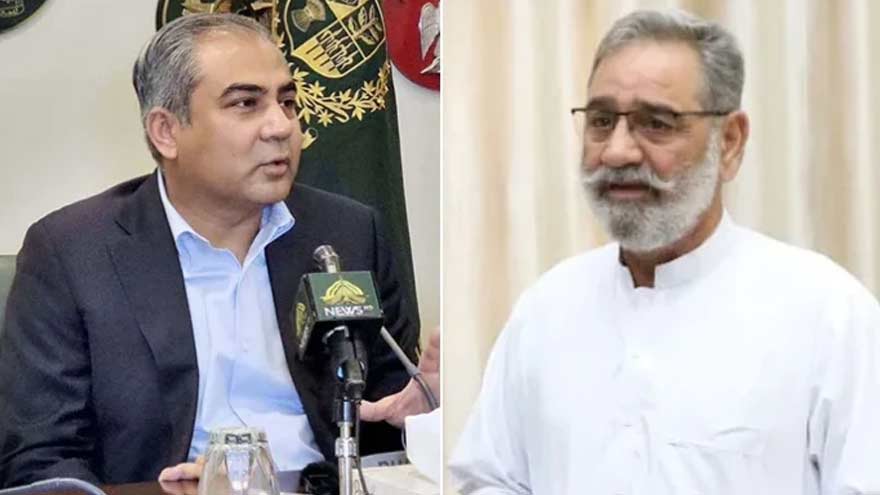
PESHAWAR (Dunya News) - Khyber Pakhtunkhwa Assembly Speaker Babar Saleem Swati has defended the provision requiring the speaker’s prior approval before the arrest or detention of a provincial lawmaker, responding to criticism from Interior Minister Mohsin Naqvi.
Swati said parliamentary privileges were intended to safeguard the independence of the legislature and protect elected representatives from political pressure, while stressing that lawmakers remained subject to investigations and judicial proceedings.
His remarks came a day after Naqvi criticised the provision, questioning whether police would have to seek the speaker’s permission before arresting an MPA accused of a serious criminal offence.
Defending the provision, Swati said the requirement for prior permission before arresting an MPA on criminal charges was not a new practice in KP. He argued that the provision was meant to ensure that police powers were not used for political retaliation or to obstruct parliamentary proceedings.
The speaker maintained that the protection did not amount to immunity from the law. According to him, every assembly member would remain subject to investigation, legal proceedings and judicial action.
Swati also questioned the circumstances surrounding the passage and implementation of legislation concerning parliamentary privileges, asking whether laws adopted through consensus between the government and opposition in the provincial assembly should not be respected.
The dispute follows the KP Assembly Secretariat’s directive to the provincial police chief to comply with Section 11 of the KP Provincial Assembly (Powers, Immunities and Privileges) Act, 2026, which requires the speaker’s prior permission before an MPA can be arrested on a criminal charge or detained under an executive order.
The provision has drawn criticism from federal officials. Naqvi has questioned its implications for the principle of equality before the law, while the federal government has also raised broader concerns over aspects of the KP government’s revised police legislation.
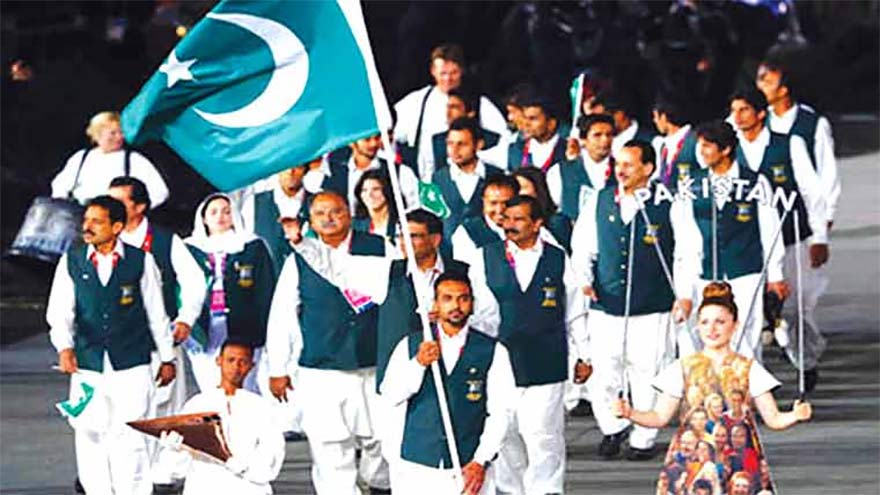
Swati further said that restrictions on lawmakers had affected Pakistan’s parliamentary representation at an international conference, and criticised interference with elected representatives.
The exchange comes amid wider tensions between the federal and KP governments over police legislation, parliamentary privileges and the treatment of provincial lawmakers.