Summary Kamal said the party would now use all constitutional and legal means available to it, including taking to the streets alongside the people of Karachi
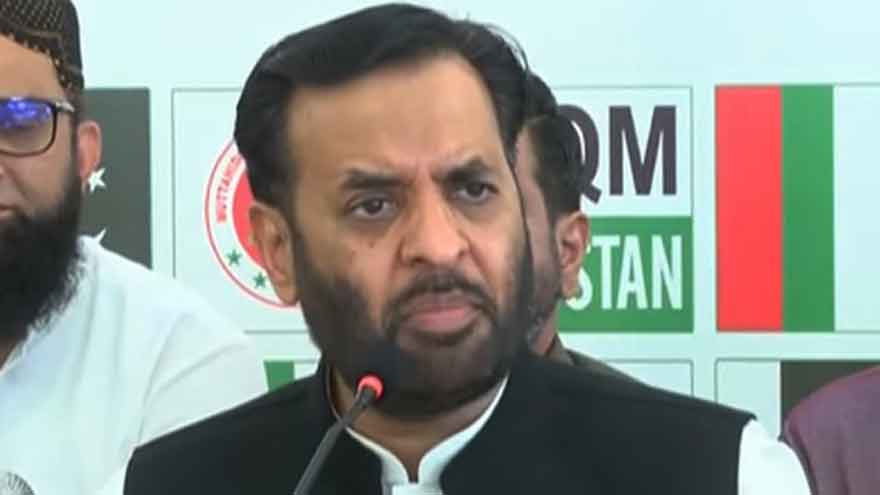
KARACHI (Dunya News) - Muttahida Qaumi Movement-Pakistan (MQM-P) leader and Federal Health Minister Mustafa Kamal has announced that his party will take to the streets to protest the ‘injustices’ being faced by Karachi and its residents.
Speaking at a press conference in Karachi on Saturday, Kamal criticised the Sindh government for indifference towards the city and its people.
“MQM-P has decided that it will no longer remain silent,” Kamal said, adding that the party had raised the issue in assemblies and proposed constitutional amendments but had failed to achieve the desired response.
He said the party would now use all constitutional and legal means available to it, including taking to the streets alongside the people of Karachi.
Kamal also called for greater devolution of power and supported the creation of new provinces on an administrative basis. He argued that funds allocated to Sindh did not reach districts effectively and that there was no proper mechanism for distributing resources to union councils.
The MQM-P leader accused the Sindh government of preventing Karachi from playing its potential role in Pakistan’s economic development. He questioned why the country’s largest economic hub was being held back despite its importance to the national economy.
Kamal said Karachi should have been at the forefront of Pakistan’s development and helped the country overcome its economic challenges. He added that while development in Lahore was welcome, Karachi should have been the first city to experience major development.
He also criticised the provincial government over the provision of basic civic services, claiming that Karachi continued to face shortages of drinking water, inadequate sewerage facilities and a lack of schools. He further alleged that several girls’ schools did not even have basic toilet facilities.