Summary Punjab orders crackdown on illegal industrial units in residential areas, identifies 5206 units in Lahore, cancels NOCs and plans phased relocation under anti-smog campaign
LAHORE (Dunya News) – An important anti-smog meeting was held in Lahore under the chairmanship of Senior Minister Punjab Maryam Aurangzeb, where authorities decided to launch a large-scale crackdown against illegal industrial units operating in residential areas across the province.
The meeting was conducted in line with directives issued by Chief Minister Punjab Maryam Nawaz Sharif, during which immediate action was ordered to remove illegal industrial setups from residential areas in Lahore and other parts of the province and to initiate enforcement operations.
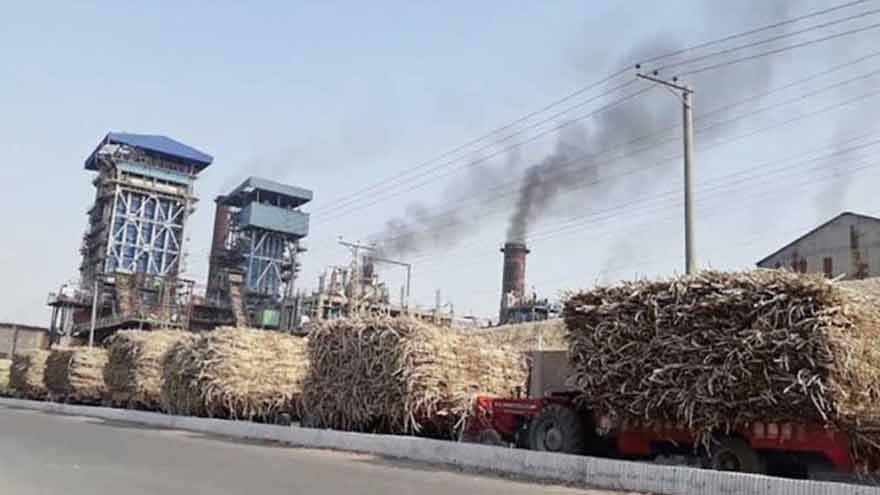
Officials stated that illegal industries operating in residential localities are a major cause of environmental pollution. It was also decided to take strict action against illegal fat-melting units and to gradually shift approved urban industries to specialized industrial zones.
Authorities confirmed that a comprehensive relocation plan has been prepared, while all previously issued NOCs for industrial units in residential areas have been ordered to be cancelled immediately. Disciplinary action will also be taken against officials responsible for issuing such approvals.
The meeting was informed that industries involved in burning wire and plastic are significantly contributing to air pollution, along with marble cutting, wood workshops and small-scale units. It was noted that gases released from burning plastic can cause respiratory diseases, lung damage and even cancer.
In Lahore, 5,206 illegal industrial units have been identified and mapped, including 4,514 located within residential boundaries. These industries have been classified into five categories based on environmental impact.
Among them, 306 units were classified as extremely high pollution, 676 as high pollution, 539 as medium, 2,925 as low, and 760 as very low pollution units.
Maryam Aurangzeb said the industrial relocation plan has been divided into short, medium and long-term phases. Large industries will be provided land in new industrial zones outside residential areas, along with basic facilities such as electricity, water and roads.
Incentives including subsidized land, machinery import facilitation and waste treatment facilities will also be provided to industrialists. A permanent implementation committee has been formed comprising representatives from environment, local government, police, LDA, industries and revenue departments to monitor timelines, reforms and grievance redressal.
Officials added that recommendations were prepared after consultations with more than 50 stakeholders and 14 meetings, incorporating international case studies and local experience for phased implementation.