Summary People would spend hours browsing through stacks of cards, reading verses, and selecting the ones that best expressed their feelings for parents, siblings, friends, and distant relatives
LAHORE (Usman Fayyaz) – There was a time, not too long ago, when the arrival of Eid-ul-Fitr was not just marked by new clothes and festive meals, but also by the exchange of beautifully crafted Eid cards — each carrying heartfelt emotions, carefully penned by hand.
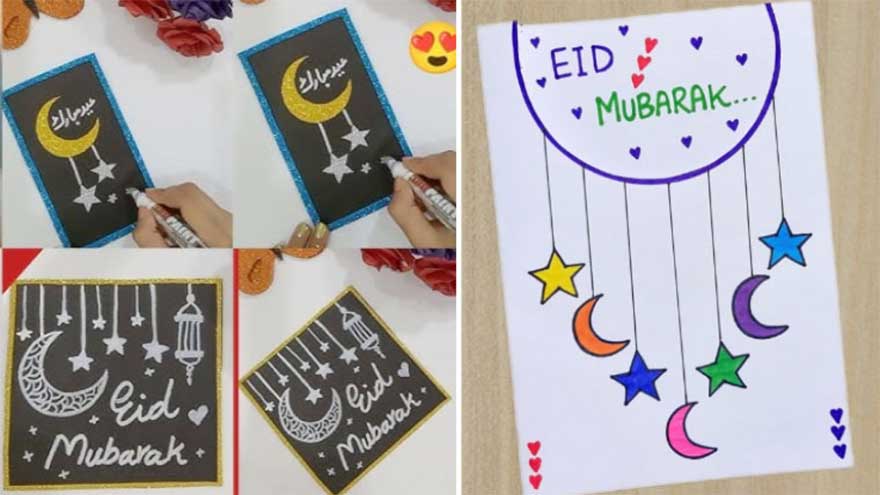
With the onset of the holy month of Ramazan, markets across the city would come alive with colourful Eid card stalls. Shopkeepers would set up temporary outlets, displaying an array of cards in vibrant hues — some embellished with glitter, others adorned with intricate Islamic patterns, scenic landscapes, and even portraits of popular film stars. In neighbourhoods, vendors would lay out their collections on charpoys (woven beds), drawing in children and adults alike.
For many, choosing the perfect Eid card was a ritual in itself. People would spend hours browsing through stacks of cards, reading verses, and selecting the ones that best expressed their feelings for parents, siblings, friends, and distant relatives. The act of writing a personal message inside the card added a unique warmth — words that carried sincerity, love, and often a touch of poetry.
The postal system played a central role in keeping this tradition alive. As Eid approached, post offices would witness a surge in activity. Long queues of people — young and old — would wait patiently to send their cards, ensuring their greetings reached loved ones in time for the festivities. Postal workers, too, would work tirelessly to handle the seasonal rush, making the exchange of Eid wishes possible across cities and villages.
And, of course, receiving Eidi, in exchange for the delight they give to the receiver.
Receiving an Eid card was a moment of pure joy. Families would eagerly check their mail, and each envelope brought with it excitement and affection. Many would carefully preserve these cards, storing them in boxes as treasured keepsakes — reminders of relationships and memories that transcended time.
What made these cards special was not just their visual appeal but the emotions they carried. Delicate calligraphy, simple yet touching verses, and personalized messages turned each card into a meaningful gesture — something far more intimate than a fleeting greeting.
However, with the rapid advancement of technology, this once-thriving tradition has gradually faded. Mobile phones and the internet have transformed the way people communicate. Today, Eid greetings are sent instantly through WhatsApp, SMS, Facebook, and other digital platforms — quick, convenient, and widespread, yet often lacking the personal touch that defined the era of handwritten cards.
While the convenience of digital communication cannot be denied, many still recall the charm of those days with fondness. The excitement of selecting a card, the effort of writing a message, and the anticipation of receiving one in return are memories that continue to live on in the hearts of those who experienced them.
Though Eid cards may no longer be a common sight in markets, their legacy endures — a nostalgic symbol of a time when expressions of love and celebration were crafted with patience, care, and a personal touch that technology has yet to replicate.