Summary Pakistan cancels March 23 parade amid Gulf oil crisis linked to Iran-US-Israel war, opting for simple ceremonies.
ISLAMABAD (Dunya News) – The federal government has decided not to hold the Pakistan Day parade on March 23, 2026, as the country grapples with an ongoing Gulf oil crisis triggered by the conflict involving Iran, the United States, Israel and Arab nations.
The government confirmed that all related ceremonial events have been cancelled in light of the evolving situation. Instead, the day will be observed through simple and dignified flag-hoisting ceremonies across the country.
The move reflects the broader impact of regional instability on Pakistan’s domestic planning, as disruptions in global energy supply chains continue to affect South Asia. Authorities indicated that the decision was taken to align national observances with prevailing economic and logistical realities, while maintaining respect for the historical importance of the day.
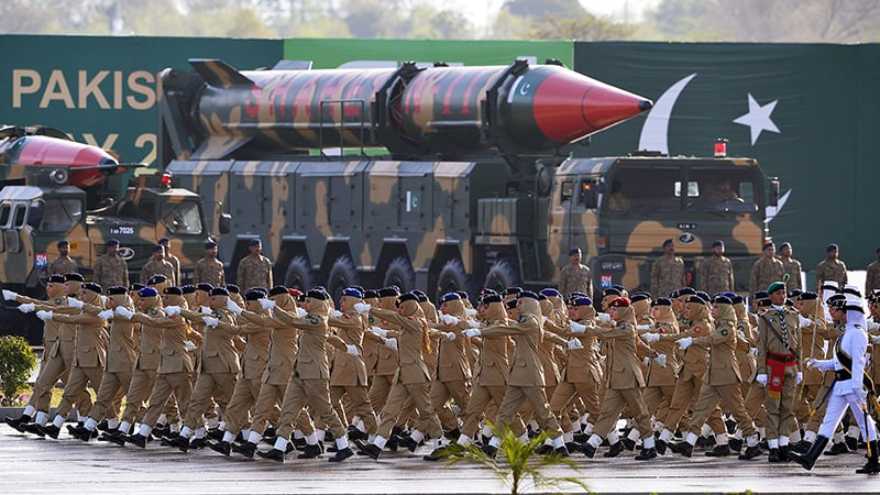
Pakistan Day marks the adoption of the Lahore Resolution in 1940, a milestone that ultimately led to the creation of the country. Traditionally, the day is commemorated with a large-scale military parade in Islamabad, symbolising national unity, resilience and defence capability.
The cancellation comes against the backdrop of a widening energy crisis linked to the ongoing Iran-US-Israel conflict, which has severely disrupted oil and gas supplies passing through the Strait of Hormuz. The strategic waterway, through which a significant portion of global energy shipments transit, has witnessed reduced traffic and heightened security risks amid the conflict.
Global oil prices have surged sharply following attacks on energy infrastructure in the Gulf region, with Brent crude rising significantly compared to pre-war levels. The disruption has directly impacted countries like Pakistan that rely heavily on imported fuel, prompting concerns over supply stability and rising costs.
Across South Asia, governments have introduced emergency measures to conserve fuel and manage shortages, including power cuts, reduced working days and shifts to alternative energy sources. Pakistan has also taken steps to secure shipments and explore alternative routes to maintain supply flows amid the crisis.
Despite the cancellation of the parade, March 23 will continue to be marked with traditional flag-hoisting ceremonies at key government buildings, educational institutions and public spaces. These events are expected to be conducted in a simple yet dignified manner, reflecting the significance of the day without large-scale displays.
Officials noted that the essence of Pakistan Day lies in commemorating the vision of independence and unity embodied in the Lahore Resolution. The scaled-down observance aims to preserve this spirit while adapting to current national circumstances.
In previous years, the parade has featured military contingents, aerial flypasts and cultural representations from across the country, drawing large crowds and international attention. This year, however, the focus shifts towards modest ceremonies that emphasise reflection and national cohesion.
Pakistan Day
Pakistan Day is traditionally observed with a series of ceremonial activities beginning with the hoisting of the national flag and recitation of the national anthem. A 21-gun salute is typically held in the federal capital, followed by messages from national leaders highlighting the country’s progress and challenges.
The parade, when held, showcases the capabilities of the armed forces alongside cultural displays representing Pakistan’s diverse regions. It also serves as a platform for diplomatic engagement, often attended by foreign dignitaries.