
Updated on
Summary The US State Department has warned American citizens of the travel risks to Pakistan.
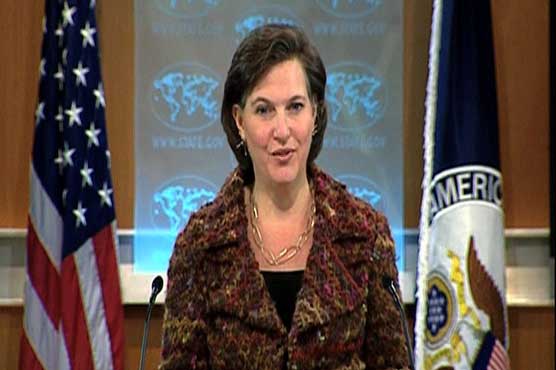
Following the deaths of twenty-four Pakistani military personnel on November 26, 2011, protests have taken place across Pakistan against the United States, International Security Assistance Force (ISAF), and NATO. There have also been widespread demonstrations and large political rallies condemning drone strikes and Pakistan’s ongoing energy crisis.These protests are likely to continue, the warning says while strongly urging the US citizens in Pakistan to avoid protests and large gatherings.The presence of Al Qaeda, Taliban elements, and indigenous militant sectarian groups poses a potential danger to US citizens throughout Pakistan. Terrorists regularly attack civilian, government, and foreign targets. Threat reporting indicates terrorist groups continue to seek opportunities to attack locations where US citizens and Westerners are known to congregate or visit, such as shopping areas, hotels, clubs and restaurants, places of worship, schools, and outdoor recreation events, the travel advisory details.The State Department document points out that terrorists have disguised themselves as Pakistani security personnel to gain access to targeted areas. It also criticizes the role of Pakistani media on the grounds that some media reports have falsely identified US diplomats – and to a lesser extent US and other Western journalists and non-governmental organization workers -- as being intelligence operatives or private security personnel.The travel warning also mentions several high-profile assassinations like the murder of Governor Salman Tasseer, suicide blasts and other bombings targeted government buildings and shrines, attacks on US embassy vehicles, sectarian conflict and religious intolerance during the last couple of years to prove the point of enhanced security threat.It urged the US diplomatic staff to restrict their movement to a bare minimum and that too under increased security blanket, particularly in FATA and Khyber Pakhtunkhwa. Travel to any restricted region requires official permission from the Government of Pakistan. Failure to obtain such permission in advance can result in arrest and detention by Pakistani authorities, it adds.Mentioning specific incident targeting US citizens throughout Pakistan, who have been kidnapped for ransom or for personal reasons, the advisory mentions at least six such instances where ransom was demanded or paid. Al Qaeda claimed responsibility for one of these kidnappings as well. The kidnapping of Pakistani citizens and other foreign nationals, usually for ransom, continues to increase dramatically nationwide, it regrets.In 2011, the number of US citizens arrested, detained, and prosecuted for visa overstay increased markedly across the country, the US State Department accused. The new Travel Warning replaces the travel warning for Pakistan issued on August 8, 2011, and directed the US citizens to immediately contact the US embassy or consulates across Pakistan in any emergency.The US State Department spokesperson, Victoria Nuland, when asked about the new travel warning to Pakistan said that it mentions some recent kidnappings and November 26 attack that led to some security concerns.We review travel warnings to every country every six months after looking at the situation on ground, she emphasized while staying away from clearly answering the question whether the situation in Pakistan is the same as six months ago or it has worsened.- Contributed by Awais Saleem, Dunya News correspondent in Washington, DC


