Summary President Asif Ali Zardari tells Parliament Pakistan will resist destabilisation, raises concerns over Iran tensions and India’s water actions.
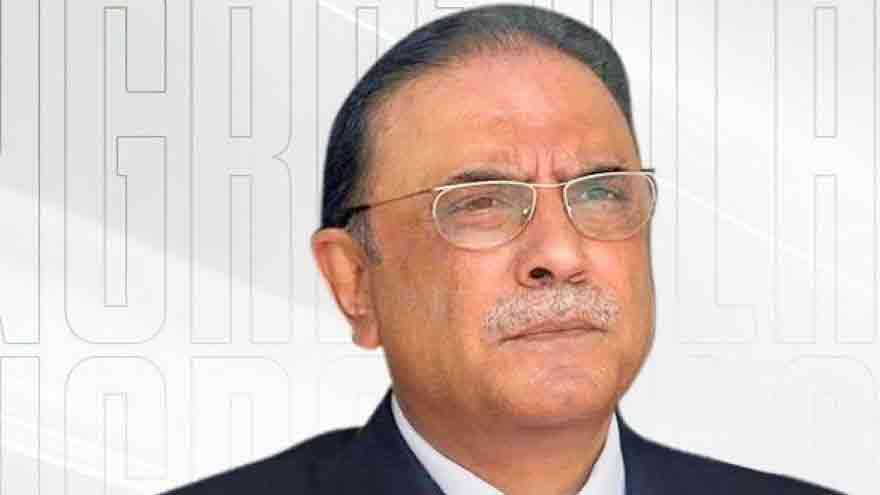
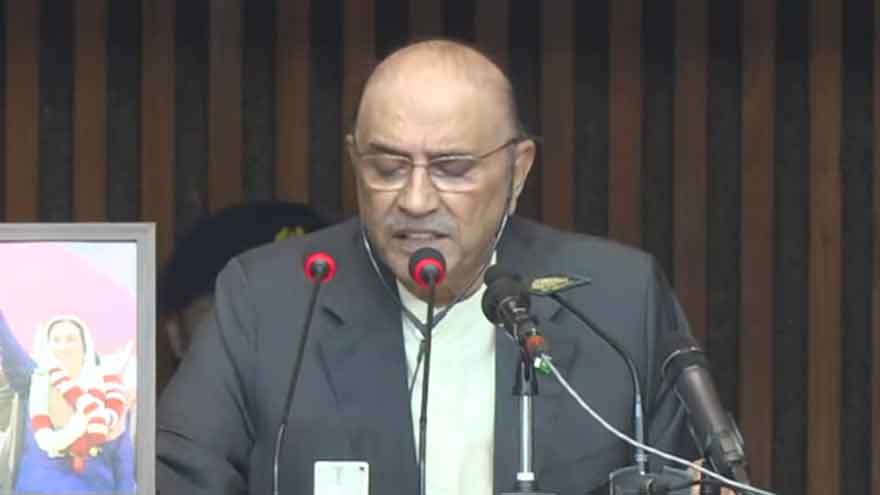
ISLAMABAD (Dunya News) – President Asif Ali Zardari on Monday declared that Pakistan would not allow any domestic or foreign entity to use neighbouring territory to undermine its peace, as he addressed a joint sitting of Parliament marked by opposition protests.
The speech combined strong messaging on regional security, the Kashmir dispute, Middle East tensions and what he termed India’s growing “water aggression”. Prime Minister Shehbaz Sharif and senior civil and military leadership attended the session chaired by National Assembly Speaker Ayaz Sadiq.
The president described the address as his ninth to Parliament in the role, calling it a reminder of democratic continuity and institutional responsibility. Proceedings began with the national anthem and Quran recitation before the president took the floor.
Parliament address
Zardari emphasised that the republic’s strength rests on constitutional supremacy, public resilience and the professionalism of the armed forces. He urged renewed national determination at the start of the parliamentary year, saying the past ten months had tested Pakistan in “profound and complex ways”.
His speech, however, was repeatedly interrupted by sloganeering from opposition members, who chanted demands for the release of former prime minister Imran Khan. At one stage, opposition lawmakers gathered in front of the speaker’s dais, briefly intensifying the disruption.
Despite the ruckus, the president continued, recalling the democratic vision of Quaid-e-Azam Muhammad Ali Jinnah and the constitutional legacy of Zulfikar Ali Bhutto and Benazir Bhutto.
Security warning
Turning to regional security, Zardari said Pakistan had responded with “strategic restraint and firm resolve” to what he described as unprovoked challenges on its borders. He praised the armed forces for their professionalism and sacrifices, saying their efforts ensured national stability.
The president also referenced a recent UN Security Council monitoring report warning that militant groups operating from Afghanistan pose an extra-regional threat. He urged the Afghan Taliban authorities to dismantle sanctuaries used by groups including Tehreek-i-Taliban Pakistan and the Balochistan Liberation Army.
“Pakistan’s soil is sacred,” he said. “We will not allow any entity, domestic or foreign, to use neighbouring territory to destabilise our peace.”
Middle East concern
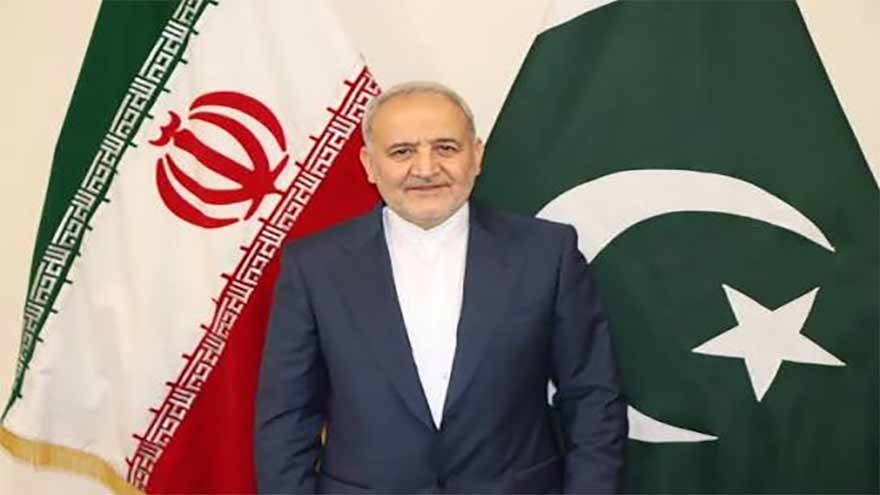
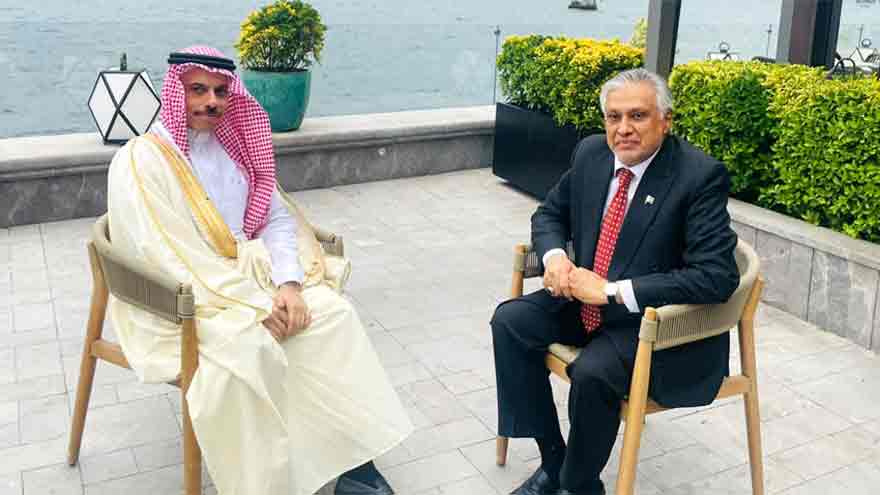
Addressing wider geopolitics, the president voiced deep concern over the escalating situation in the Middle East. He said Pakistan opposed unilateral military action against any state and condemned the war on Iran while diplomatic negotiations were under way.
At the same time, he also criticised Iranian strikes on Gulf countries, urging all sides to exercise maximum restraint and respect international law.
“The sooner stability returns to the region, the sooner the world can rebuild fractured trust,” he said, calling for negotiated solutions to prevent a deeper crisis.
Water dispute
A significant portion of the speech focused on water security, with the president accusing India of attempting to manipulate river flows in violation of the Indus Waters Treaty.
He described New Delhi’s actions as “hydro-terrorism” and warned that placing the treaty in abeyance would endanger Pakistan’s agricultural economy and regional stability.
“International law does not permit the unilateral blockage of water,” he said, adding that Pakistan would defend its water rights with unity and legal clarity.
Zardari also reiterated Islamabad’s longstanding position on Kashmir, saying lasting peace in South Asia remained impossible without a resolution of the dispute. He urged India to move away from confrontation towards meaningful dialogue.
Focus on economy
On domestic priorities, the president linked economic stability with national security, crediting the government for steering the economy away from what he described as a near-collapse in 2022. He stressed the need for inclusive growth, tax reforms and lower energy costs to revive industry.
He called for climate-resilient agriculture and improved water management, warning that energy reform remained essential for sustainable growth.
The session was attended by provincial chief ministers and governors, senior lawmakers and foreign diplomats, underscoring the high-profile nature of the annual parliamentary address as Pakistan navigates mounting regional and economic pressures.