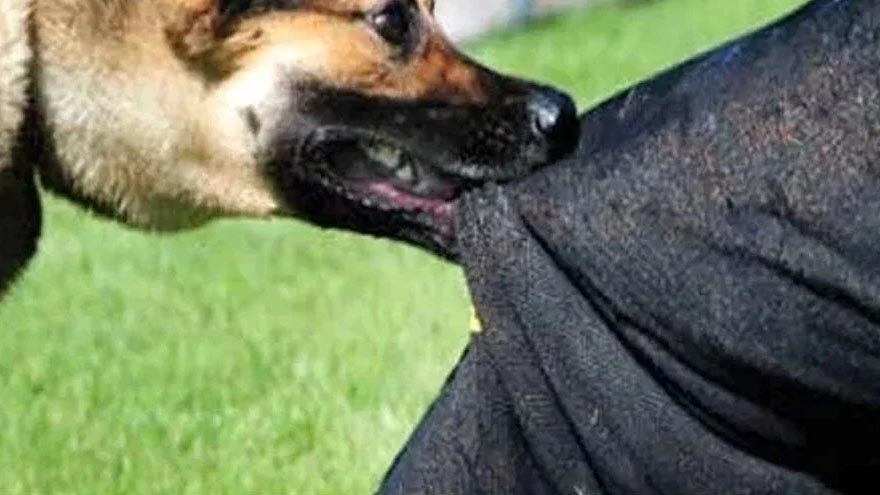
Summary Residents say stray dogs aggressively chase pedestrians, cyclists, and motorcyclists, while children are frequently attacked during evening playtime.
KARACHI (Web Desk) - Karachi continues to grapple with a worsening public health crisis as 29,000 dog bite cases and 19 rabies-related deaths have been reported in 2025.
Several areas, including Landhi, Korangi, DHA, Mehmoodabad, Orangi Town, and Malir, have seen a sharp rise in stray dog populations.
Residents say stray dogs aggressively chase pedestrians, cyclists, and motorcyclists, while children are frequently attacked during evening playtime. Despite repeated relocation efforts, dogs often return—partly due to locals feeding them, allowing packs to establish permanent territories.
Medical experts warn that rabies remains 100 percent fatal once symptoms appear. Initial signs such as headaches, fever, and anxiety are often ignored, but as the disease progresses, patients develop hydrophobia (fear of water) and aerophobia (fear of air and sound), leaving no chance of survival.
Doctors attribute the growing menace to unchecked garbage accumulation across the city. Overflowing waste dumps provide an ideal environment for stray dogs to feed and breed, a situation worsened by poor municipal oversight and inconsistent sterilization efforts.
Major public hospitals are struggling to cope with the rising number of cases. Indus Hospital alone reports nearly 150 dog bite patients daily. Since January, it has treated over 16,000 victims, eight of whom later died of rabies. Meanwhile, Jinnah Hospital has recorded around 13,000 cases this year, with 11 fatalities confirmed.
Dr Muhammad Aftab Gohar, Manager of the Rabies Prevention Clinic at Indus Hospital, said rabies cases are increasing every year. He explained that the virus spreads through saliva entering the bloodstream and travels to the brain via the nervous system, with symptoms appearing anywhere between six weeks to six months.
According to World Health Organization guidelines, immediate wound washing with soap and running water for at least 10 minutes is critical after a dog bite. This should be followed by anti-rabies vaccination. Moderate cases require doses on days 0, 3, 7, and 14, while severe cases need rabies immunoglobulin injected around the wound.
Public health experts stress that mass vaccination, public awareness, proper waste management, and coordinated action by authorities are essential to control the crisis. Until then, Karachi’s streets remain unsafe, turning daily routines into a risky ordeal for its residents.