Updated on
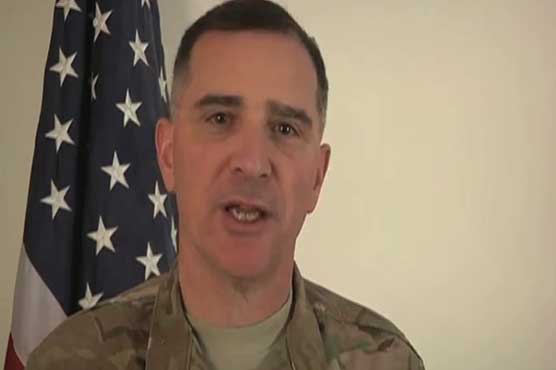
Summary ISAF commander Lt. Gen. Curtis M. Scaparrotti has said that operations near Pak border continue.
International Security Assistance Force operations continue in Afghanistan along the Pakistan border, but are conducted with special care to avoid escalating current tensions, a senior commander said here today.Army Lt. Gen. Curtis M. Scaparrotti, commander of the ISAF Joint Command and deputy commander of US Forces Afghanistan, told reporters during a roundtable discussion that success in Afghanistan requires close communication with Pakistan.Relations between ISAF and Pakistan have been tense since the cross-border incident Nov. 26 that left 24 Pakistani soldiers dead. Pakistani authorities have closed ground supply routes through their country and ended American use of the Shamsi airbase.Scaparrotti declined to discuss the border incident in light of the ongoing investigation but, acknowledging his professional and personal association with Pakistani military leaders, expressed condolences about the lives lost.“What happened is a tragedy,” he said.Scaparrotti said ISAF continues to communicate regularly with the Pakistani military as before the incident, but coordination is not as close as it has been in the past.“We are being a little more careful,” he acknowledged. “But we are still running interdiction. We are still working with the Afghans right on the border posts. We are still running reconnaissance and doing the things … that we need to do. And as I said, we are still pressing the Pak military so that we can continue communication.”Scaparrotti said he believes “over time, we will regain that coordination, that communication that we had in the past.”The November incident has caused ISAF leaders to consider ways to bolster the coordination and communication along the border, where insurgent provocation can have a deadly effect.“There are certainly incidents where insurgents along the border have instigated a fight using direct fires or indirect fires, and they have done so in proximity to Pakistani military border locations,” the general said. “We think it was to draw our attention, or perhaps, in some instances, to draw conflict here between Afghan, coalition or Pakistan forces.”Such provocations are one reason “we are working very hard, as we have in the past, to develop better communications with the Pakistani military on the other side of the border,” the general said. “That has been one of our priorities.”A working relationship between Afghanistan and Pakistan is critical for both nations, he said.