Updated on
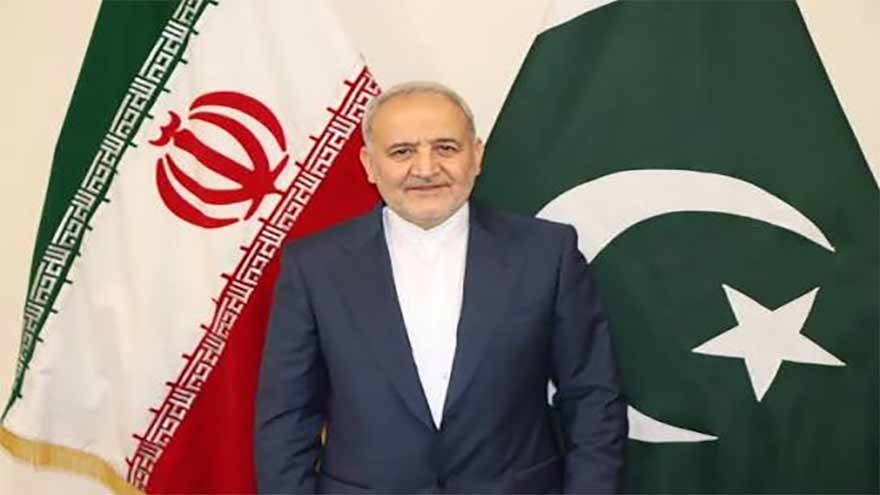
Summary Pakistani Ambassador to US Hussain Haqqani said he did not write or deliver any memo to Mike Mullen.
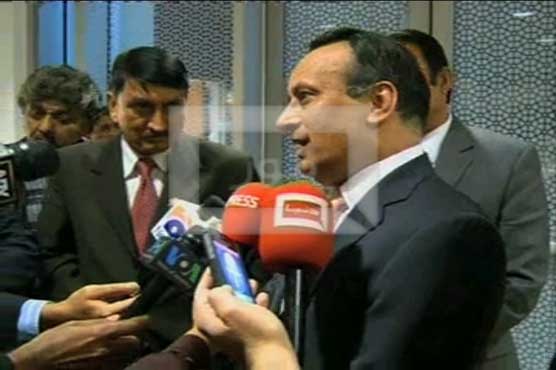
Talking to the media in Washington, Hussain Haqqain said that allegations levelled against him were false.He said the allegation becomes importance when somebody pays attention on it but this is strange that a US citizen has levelled chages against Pakistan’s ambassador.I do not want this non-issue of an insignificant memo written by a private individual and not considered credible by its lone recipient to undermine democracy, Haqqani told the media.According to Haqqani, many people were against his posting in the USA as a civilian ambassador had been appointed after a long time. Haqqani added that he tried his best to strengthen democratic process in Pakistan.The memo issue surfaced when Mansoor Ijaz, a US citizen of Pakistani origin, said in the column that a senior Pakistani diplomat asked him on May 9 a week after US commandos killed bin Laden in a Pakistani garrison town to pass a message from President Asif Ali Zardari to the US asking for help. Ijaz did not name the diplomat.President Zardari was reportedly worried that the US raid had so humiliated his government, which did not know about it beforehand, that the military may stage a coup something that has happened repeatedly in Pakistans history, said Ijaz.The memo sent to Adm. Mike Mullen, the top US military officer at the time, reportedly offered to curb support to militants from Pakistans military intelligence service, the ISI, in exchange for American assistance, Ijaz said.The Pakistani Foreign Ministry has called the Financial Times column a total fabrication.But Mullens spokesman, Capt. John Kirby, confirmed to Foreign Policys website Wednesday that Mullen did receive the memo from Ijaz, but he did not find it credible and ignored it. Adm. Mullen had no recollection of the memo and no relationship with Mr. Ijaz, Kirby said.Ijaz has a history of making claims to be well-connected with US politicians. Under the Clinton administration, he said US officials told him Sudan was willing to turn over then-fugitive Osama bin Laden, who was taking refuge there. Ijaz said Clinton National Security Adviser Sandy Berger refused the deal because he was unwilling to do business with Sudan a claim derided by Republicans that Berger immediately denied.Haqqani said Thursday that he did not write or deliver the memo, but offered his resignation to end the controversy.