
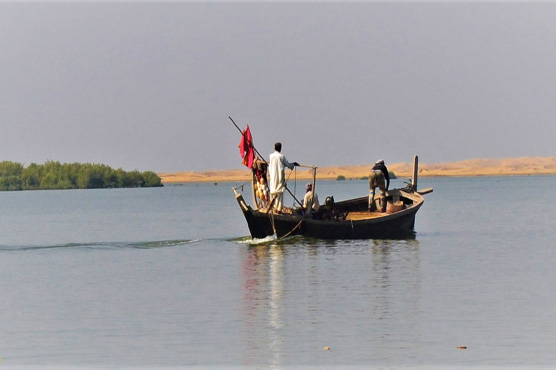
Summary About 95 km North West of Karachi is a lagoon called Miani Hor, located to the north of Sonmiani Bay Balochistan coast. Photo: Fatima Arif
By Fatima Arif
Travelling is the antidote to ignorance, helping us break through the veil of stereotypes and marvel at the diversity that surrounds us. If you go by the standard set by some forty percent of the millennials as per a study conducted last year, if it is not instagrammable, it is not on their travelling list.
About 95 km North West of Karachi is a lagoon called Miani Hor, located to the north of Sonmiani Bay Balochistan coast. For anyone interested in exploring the cultural and natural treasures of the country, this spot is not to be missed.
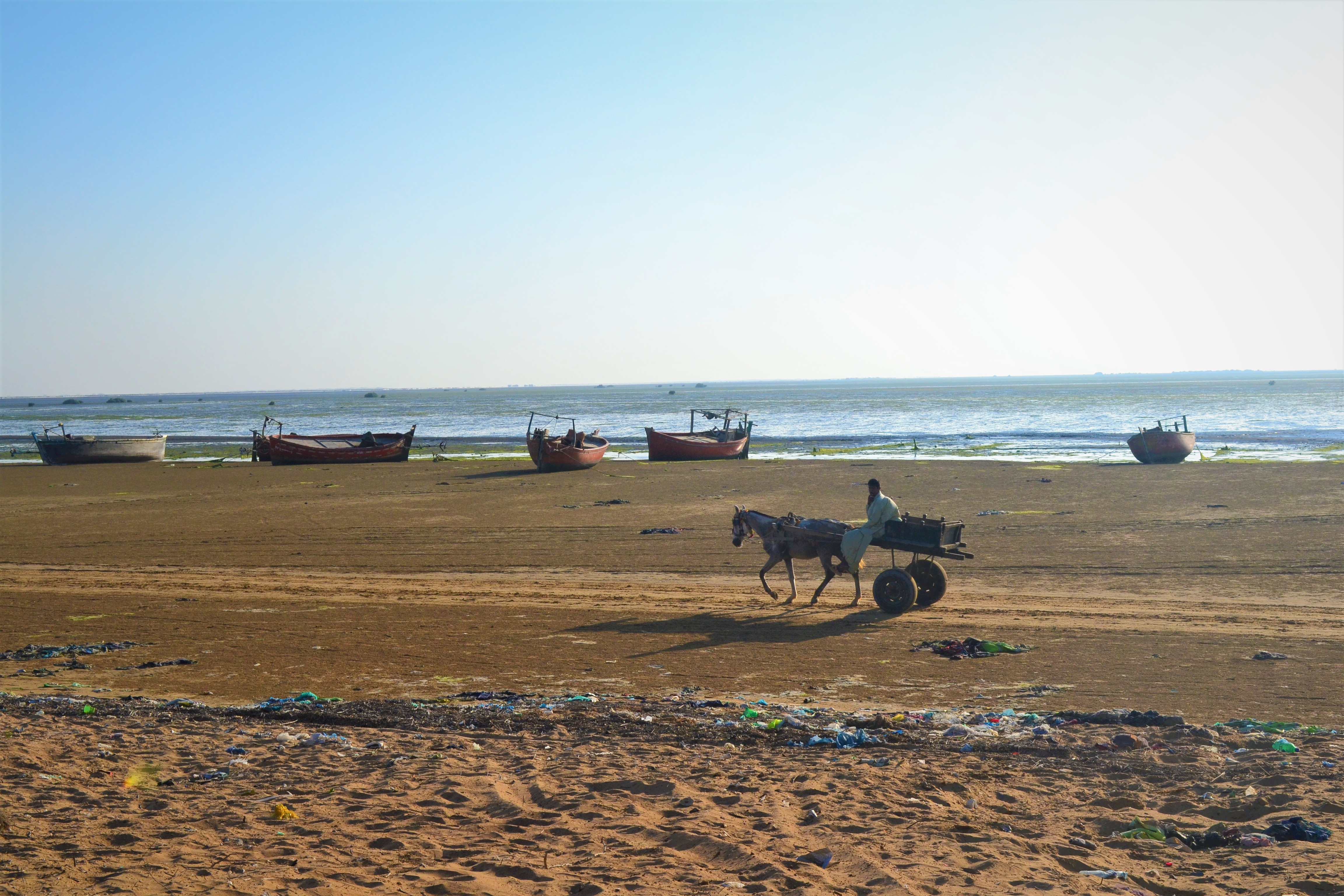
About 95 km North West of Karachi is a lagoon called Miani Hor, located to the north of Sonmiani Bay. Photo: Fatima Arif
The instagrammability is on point (I swear by my Instagram account!). Surrounded by contrasting colours of mangroves, sand dunes and water, you get to see a variety of bird species, a mix of both resident and migratory birds. It is one of the few areas in Pakistan where greater flamingos are known to nest and raise their chicks. The highlight is the sighting of the Indian-Ocean humpback dolphins.
A large area of Miani Hor is covered by dense mangrove forests. In fact, this is the only area in Pakistan where three mangrove species (Avicennia marina, Rhizophora mucronata and Ceriops tagal) occur naturally. Mangroves are the first line of defence against natural disasters and provide an ideal habitat for a number of shellfish species including crabs, shrimps, jellyfish, gastropods and bivalves. The area is home to about a hundred species of crabs, shrimps and mollusks and more than three hundred species of fish. For its conservation, the area was declared a Ramsar site in 2001.
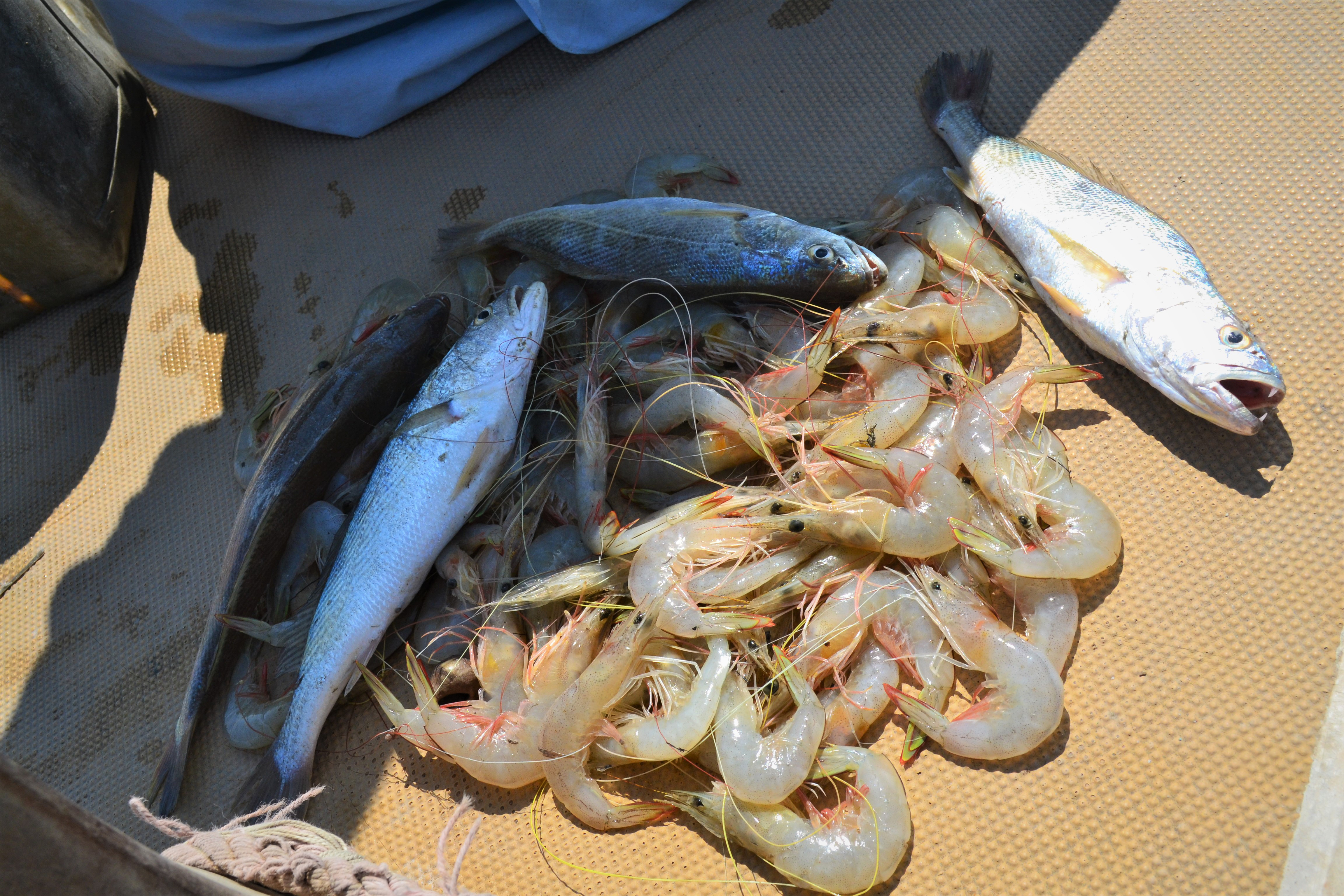
The area is home to about a hundred species of crabs, shrimps and more than three hundred species of fish. Photo: Fatima Arif
On our drive from Karachi, the exit from the city was marked by the shift in the landscape, from the urban chaos to the enchanting rugged beauty. Our first stop, introduced us to our hosts who have, in collaboration with WWF-Pakistan, been working for conserving their natural assets. These efforts have ensured the protection of mangroves, which were previously being used extensively as fuelwood, posing a threat to their covered area. For the past decade, the local community has shifted to alternative fuel options and has a self-imposed ban on using mangrove wood. The only exception is a traditional practice that is still in place, where during a wedding, friends of the groom cook the festive meal using mangrove wood. In the spirit of conservation, the local community has also planted mangroves in some specific areas where the previous practice of cutting them for fuelwood had depleted them.
Despite such examples of locals playing a positive role, there are many issues that risk this natural treasure, and connected issues that impact the lives of the people. Being a fishing community, their livelihood depends on it. However, neglect from the concerned authorities and a lack of proper long-term planning is capable of reversing the conservation efforts that have been undertaken so far.
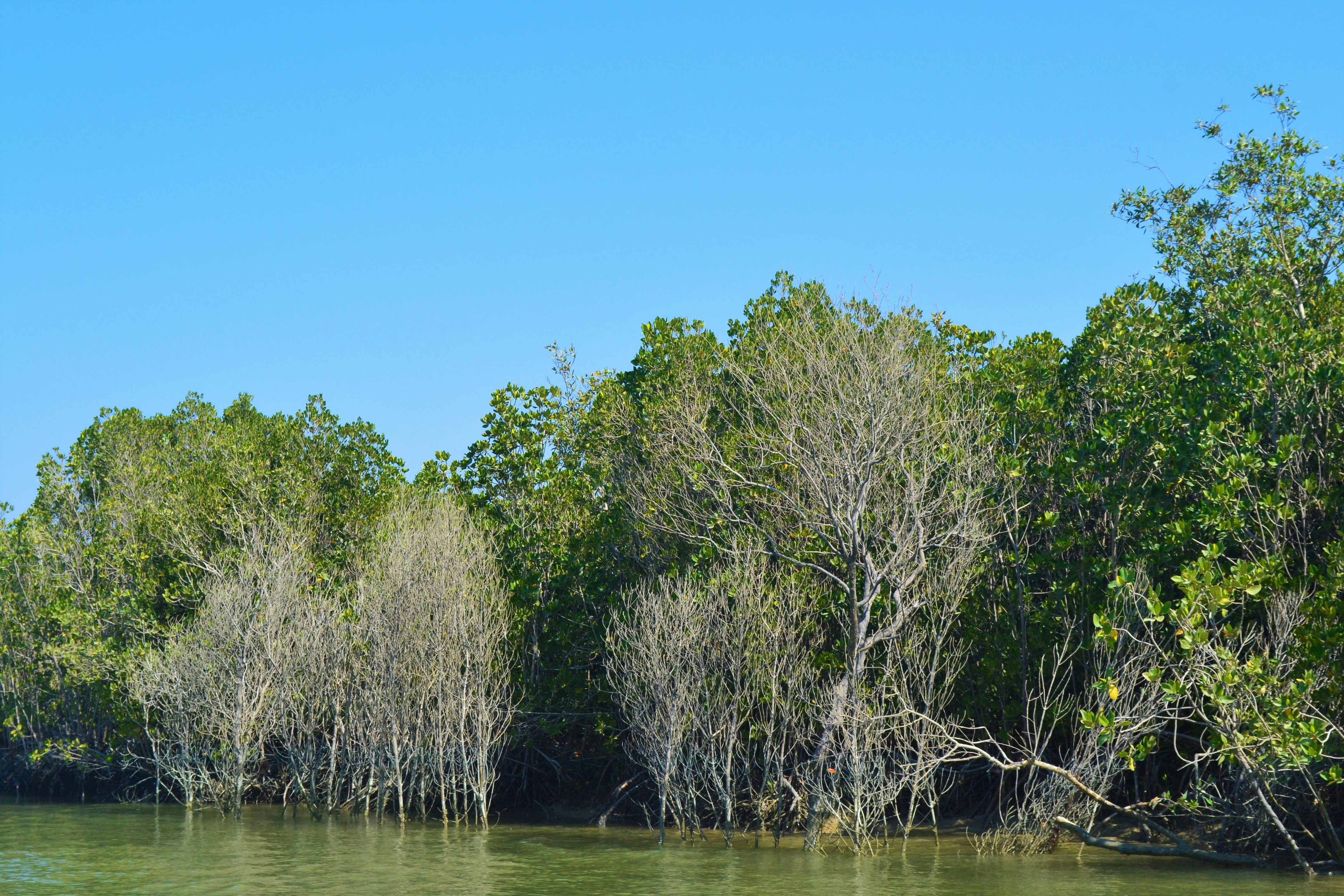
Mangroves are the first line of defence against natural disasters and provide an ideal habitat for a number of shellfish species. Photo: Fatima Arif
Absorbing this background information, we headed towards the boats in the hopes of seeing the hump-back dolphins. On our boat, we were accompanied by Dr. Moazzam Khan, one of Pakistan’s leading marine experts who is currently the Technical Advisor – Marine Fisheries, WWF-Pakistan. He is an encyclopedia on the subject with an additional volume of real life stories that leave you amazed. On his relationship with the local community he shared that while he couldn’t speak their language and nor could he swim, he shared the language of fisheries with them – a bond that reflected in the reverence with which they treated him.
One of the many stories he shared was that of a hunter-turned-conservationist. Turning point for him was when he was pursuing the hunt of a whale, not realising that his target was a juvenile accompanied by its mother. The mother, like any mother sensed the danger and at the moment of the strike pushed her calve away, getting killed in the process. The blood spill and the realisation of what had happened struck this individual and he abandoned hunting from there on, turning into a marine conservationist.
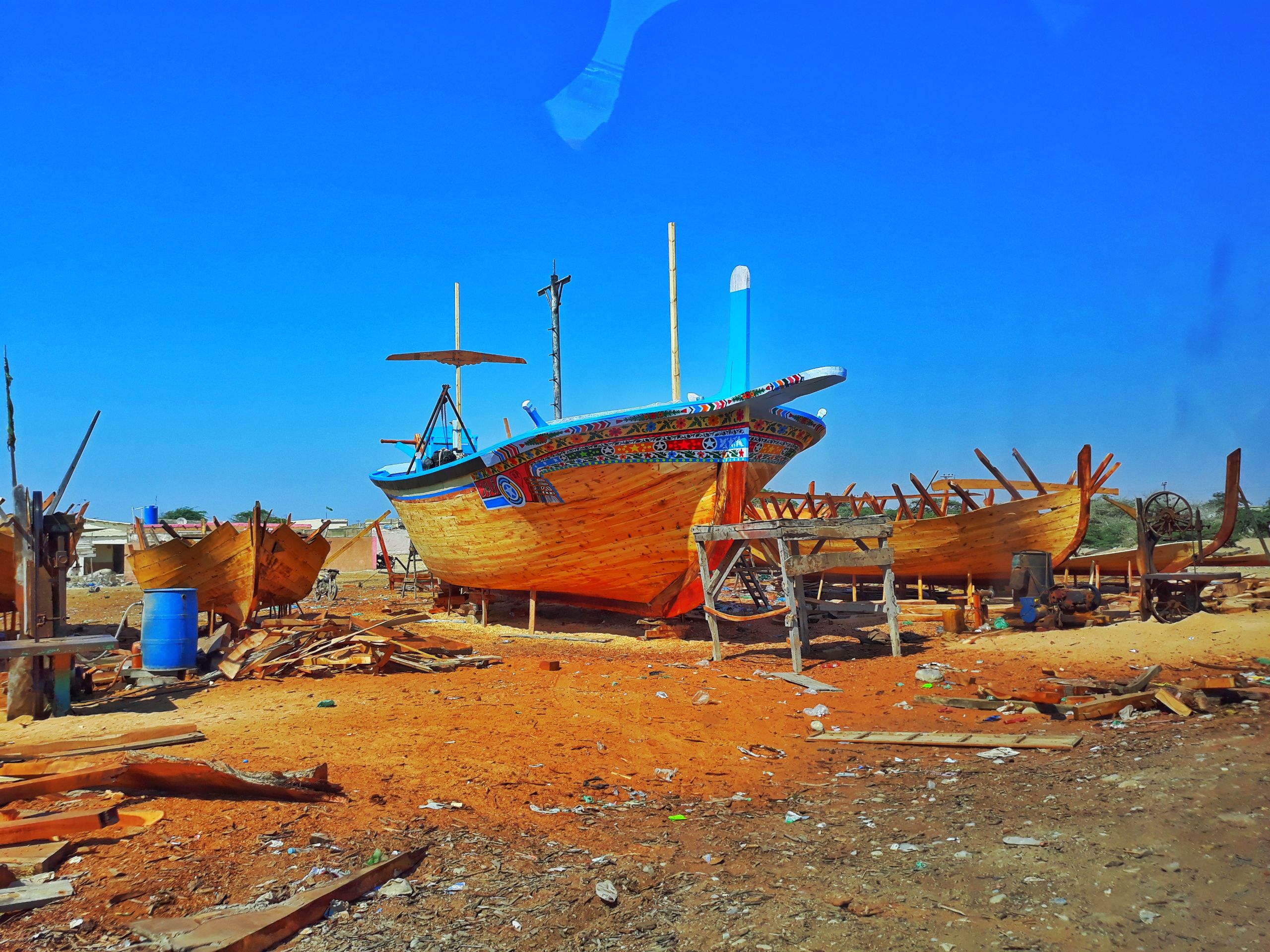
For anyone interested in exploring the cultural and natural treasures of the country, this spot is not to be missed. Photo: Fatima Arif
Amidst this conversation, with birds flying around, we caught a glimpse of a few jumps of the humpback dolphins. Seeing that our untrained eyes were missing the action, the local fisherman on our boat started to direct us where to look before the dolphins’ jumps to be able to enjoy the full sight. When we started out the water was quite calm, so after a few cues we could figure out the point where their jump was expected. At times, instead of the dolphin, a fish would pop up for a frantic hello. One such fish hit the fisherman sitting at the front of our boat and went its merry way leaving behind a water spray.
I have an obsession of sorts with all shades of blue, and got my heart’s fill on this trip. The calm blue water started to ruffle up by the time we were on our way back and the resultant change in water colour was a treat. I got enough photographs to go with #blue on my Instagram.
Thinking that we were done with the highlight of the day, the lunch was a pleasant surprise. The spread was an appealing sight and a rub that the urban dwellers (Lahoris with dibs on all things, food included!) are no experts when it comes to seafood, with us having just a handful of recipes. Our menu included: tuna biryani, shrimp kofta, queen fish green curry, queen fish red curry and croaker fry fish.
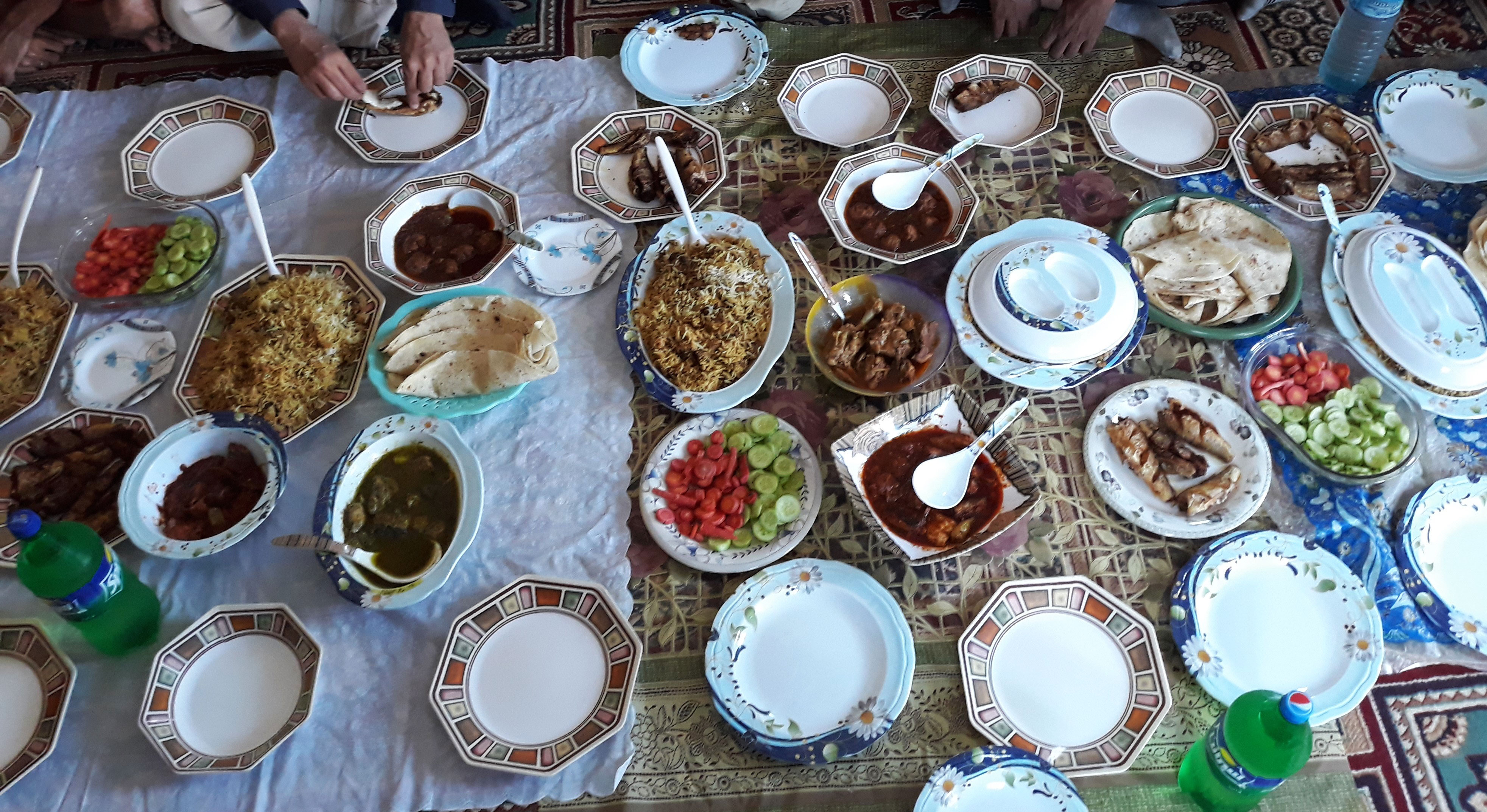
The spread was an appealing sight and a rub that the urban dwellers are no experts when it comes to seafood. Photo: Fatima Arif
Satiated with one hell of an experience, on our way back we encountered a sight that sent a rude reminder of why we need to step up our game for conservation: plastic waste. The receding tide bared the reality hidden by the mighty water and with it the realisation of what it does to the marine biodiversity that we were so awed by a little earlier. Soda bottles, wrappers, single use plastic bags etcetera. High time we start making conscious choices over convenience choices in order to be able to enjoy nature’s treasures.