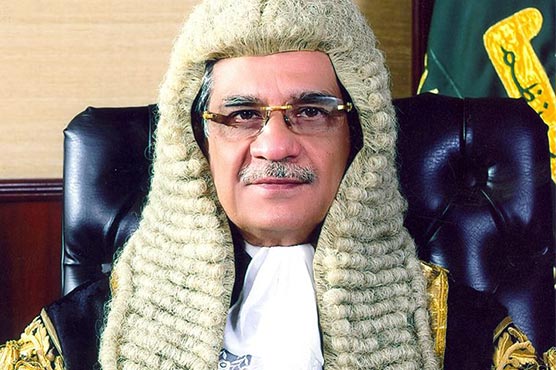
Summary Country's top tier courts issued several historic verdicts which were lauded as well as criticised.
By Fuzail Zafar
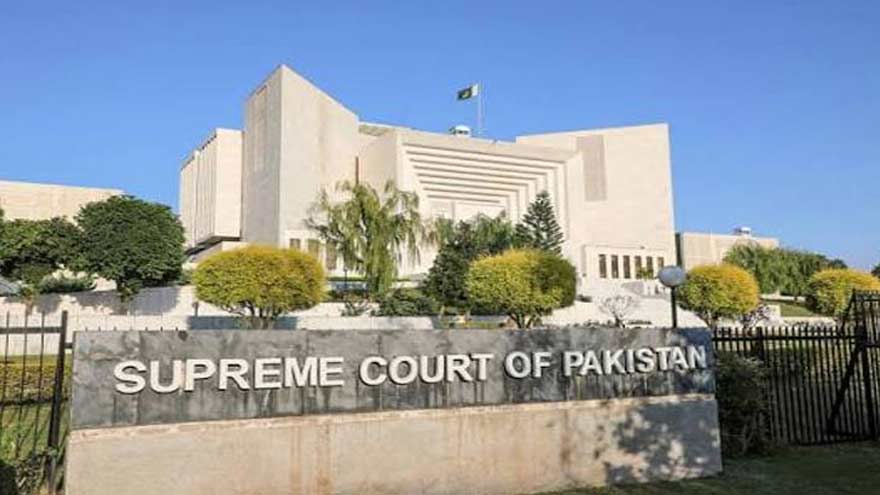
Pakistan’s judiciary remained quite active throughout the outgoing year, thanks to myriad high profile cases rearing their heads amid pressure from political parties as well as public.
From Panama Papers case to Benazir Bhutto murder litigations, and from Imran Khan and Jehangir Tareen disqualification cases down to publication of Model Town commission report, verdicts and proceedings emanating from courts kept Pakistani public in general, and politicians in particular, on their toes.
Such judicial activism of an unprecedented extent inevitably spawned a nationwide debate as to whether judiciary is indeed being independent or its penchant to take up controversial cases is being resulted out of pressure from multiple sides. The media fanned this discourse, thus bifurcating the debate into two groups: those who welcomed Supreme Court decisions deeming them constitutional and jurisprudential, and those who excoriated courts for transcending legal and constitutional powers.
The SC’s decision to disqualify the then prime minister Nawaz Sharif in July was the tipping point of this court-centered story of 2017.
Listed below are famous verdicts from ten court proceedings that continued to shape country’s political and legal discourse in 2017:
1. Panamagate: SC disqualifies Nawaz Sharif
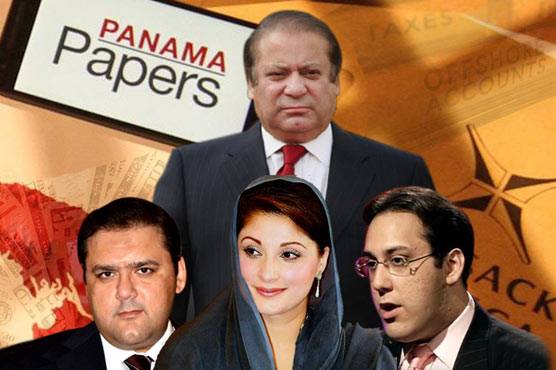
Apart from being disqualified, Nawaz and family’s cases were sent to NAB courts for trial, which continue to this day.Photo: File photo
Supreme Court of Pakistan had taken up the erstwhile innocuous Panama papers case in November 2016, after Imran Khan’s PTI threatened to lock Islamabad down. Since then, nothing in the world seemed more important than Panama case – which began to be dubbed Panamagate with time – to Pakistanis.
On April 30, 2017, the five member SC bench issued what we often term ‘the first verdict’ in Panamagate, wherein three judges spared Nawaz only to put him in the crucible of Joint Investigation Team (Panama JIT), and two judges invoked articles 62 and 63, barring Nawaz from holding public office or leading political party. This wasn’t it.
Cometh July 28, and cometh another Panamagate verdict, this time unanimously declaring Mian Nawaz Sharif disqualified. Justice Asif Saeed Khosa led five-member bench left no stone unturned in ensuring that Sharif family undergoes most rigorous of accountability procedures. Apart from being disqualified, Nawaz and family’s cases were sent to NAB courts for trial, which continue to this day.
Panamagate verdict was a clear victory for the complainants Imran Khan and Sheikh Rasheed. While it awoke Nawaz from deep slumber as he vowed not to accept such ‘mockery of justice’ and announced to launch movement for the ‘rule of law’.
2. PML-N fights back, but fails to get Imran Khan disqualified
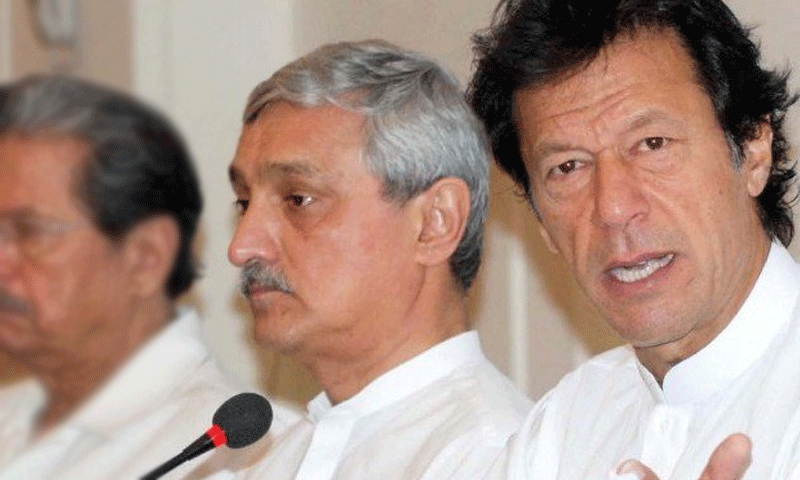
Imran’s right hand Jahangir Khan Tareen was declared disqualified over undeclared assets, putting a virtual end to the business tycoon s political career. Photo: Twitter
In late 2016, PML-N’s Hanif Abbasi filed a petition asking SC to disqualify Imran Khan and Jehangir Tareen for being owners of offshore companies. This petition remained buried in SC registrar’s pile of racks until SC disqualified Nawaz, when PML-N decided to resuscitate disqualification petition against PTI stalwarts.
Another five-member bench, this time headed by Chief Justice Saqib Nisar, heard this case. After months-long meticulous scrutiny of the financial records of the accused, SC, on Friday December 15, gave Imran Khan the much sought after ‘clean chit’, hence elevating PTI chief’s moral and political standing. Simultaneously, Imran’s right hand Jahangir Khan Tareen was declared disqualified over undeclared assets, putting a virtual end to the business tycoon s political career.
PML-N expressed disappointment over the verdict, terming SC decision a ‘balancing act’. Same was the argument of PTI leaders, albeit based on different grounds.
3. Panamagate: NAB files corruption references against Sharifs
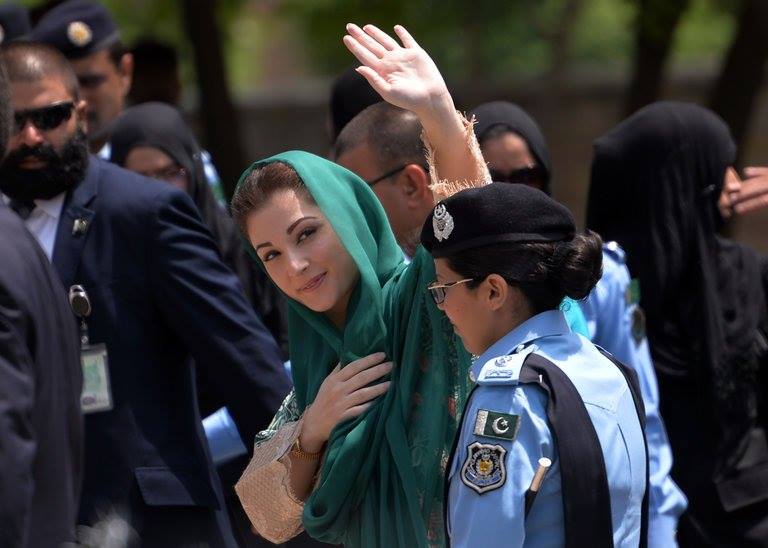
After every appearance, Nawaz Sharif, his daughter Maryam Nawaz and Captain (retd.) Safdar would spout thinly veiled attacks on judiciary. Photo: AFP
Acting upon SC directives in Panamagate verdict, NAB finally filed three references against Nawaz Sharif, his offspring, and his son-in-law. The accountability court proceedings stemming from these NAB references became a concrete manifestation of why country’s politico-legal discourse had been shaped entirely by what happened in courts during the outgoing year.
After every appearance, Nawaz Sharif, his daughter Maryam Nawaz and Captain (retd.) Safdar would spout thinly veiled attacks on judiciary. The trial court almost became a platform for PML-N to launch campaign for pre-election political gain, as could be seen in famous interior minister-Rangers row.
The accountability court proceedings are underway with a snail’s pace. As indictment of Sharif family members is complete and trial begun, the case looks set to conclude within stipulated time.
4. NAB files reference against Ishaq Dar in disproportionate assets case
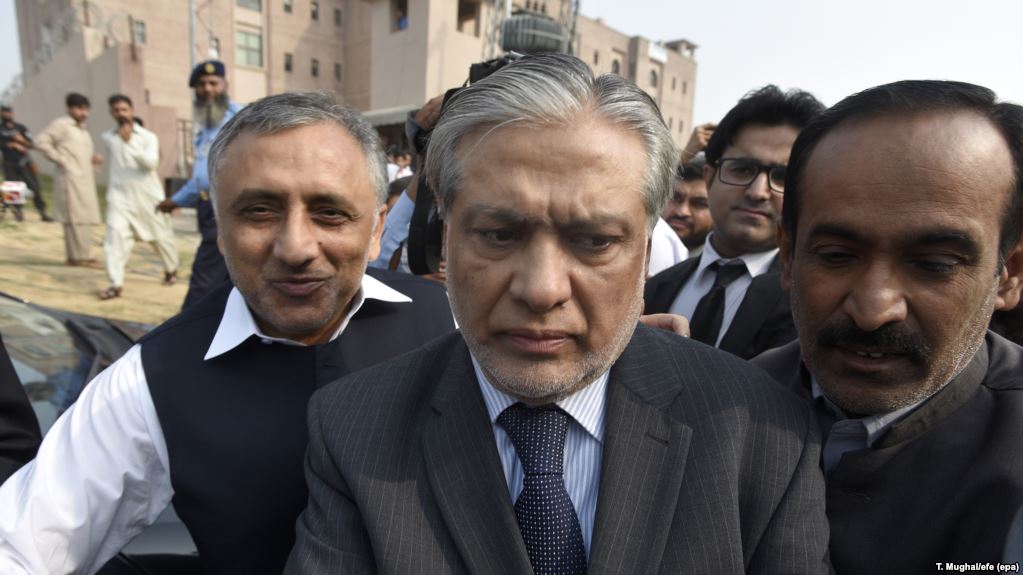
Dar was first indicted and then declared a proclaimed offender, courtesy his perpetual absence from the hearings. Photo: EPA
The court story of the ‘ailing’ finance minister has had a profound impact on this country’s economic prospects. PML-N remained partially successful in creating a narrative that put the blame of the country s faltering economy on the perceived ill-treatment with the ‘exceptional’ finance minister who steered Pakistan’s economy to the top.
By virtue of accountability court proceedings, Dar was first indicted and then declared a proclaimed offender, courtesy his perpetual absence from the hearings. After being incessantly pressed by the media and the public, he had to step down as finance minister on November 22. He is still in London, awaiting recovery from illness.
5. ECP issues contempt of court notice to Imran Khan
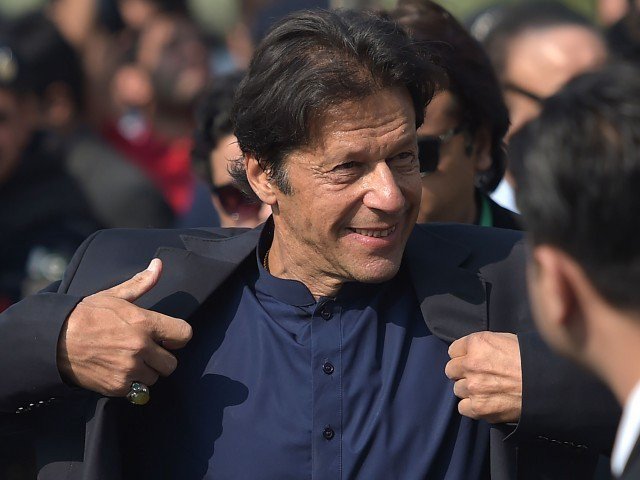
The contempt of court notice issued to Khan by ECP after his reluctance to appear in hearings of Akbar S. Babar’s petition. Photo: AFP
The year 2017 witnessed myriad petitions being filed in Election Commission of Pakistan against the PTI chief Imran Khan. Public, however, took keen interest in only one of them, that is, the contempt of court notice issued to Khan by ECP after his reluctance to appear in hearings of Akbar S. Babar’s petition.
The case reached its climax when Imran Khan finally decided to appear before ECP on October 26. He tendered written apology to the top election body which resulted in termination of the much trumpeted case against him. Khan, thus, managed to appear unscathed from yet another precarious case.
6. Lahore High Court orders to make Baqir Najfi report public
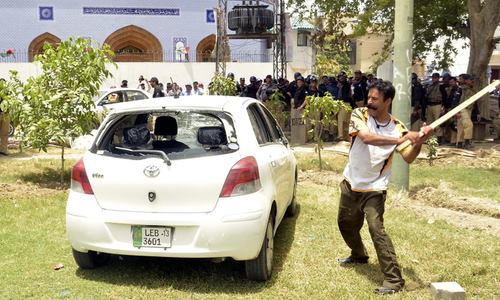
Experts termed the verdict a huge victory for PAT, whose 14 workers, were fatally shot during police crackdown on demonstrations in 2014. Photo: INS
The long-pending Model Town incident case took a fresh turn on December 5, when LHC directed Punjab government to make Baqir Najfi Commission Report public. Experts termed the verdict a huge victory for Pakistan Awami Tehreek, whose 14 workers, including women, were fatally shot during police crackdown on PAT demonstrations in 2014.
The report, as expected, contained some damning remarks for the top brass of Punjab government, including Chief Minister, and potential PML-N premiership candidate, Shehbaz Sharif and Punjab Law Minister Rana Sanaullah. However, the legal implications of this report are uncertain. Its political ramifications, on the other hand, could well jeopardise Shehbaz Sharif’s political career.
Tahir-ul-Qadri has given ultimatum for Shehbaz and Sanaullah resignations till December 31, after which he plans to go full throttle against the Punjab government.
7. Military court hands over death sentence to Kulbhushan Jadhav
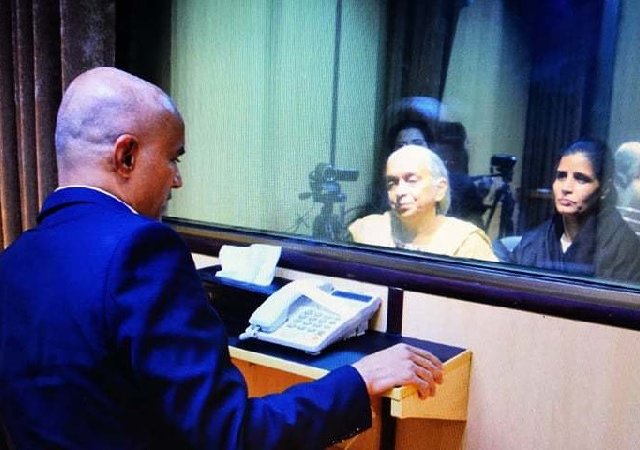
Kulbhushan remains the face of terror that Indian state is perpetrating inside Pakistan through its proxies in Afghanistan and Balochistan. Photo: Twitter
Beginning in March 2016, the exhilarating story of Indian spy terrorist Kulbhushan Jadhav culminated when a military court decided to sentence him to death earlier this year. The judicial side of this story even extended to the Hague, where India lodged a case against Pakistan in International Court of Justice demanding Kulbhushan’s release.
Pakistan availed this opportunity to expose India as a state sponsor of terrorism, both in ICJ and the UN. Kulbhushan remains the face of terror that Indian state is perpetrating inside Pakistan through its proxies in Afghanistan and Balochistan. As a goodwill and humanitarian gesture, Pakistan arranged a meeting between Kulbhushan and his wife and mother on December 25.
This once again elevated Pakistan’s diplomatic standing amongst the comity of nations.
8. Benazir Murder Case verdict
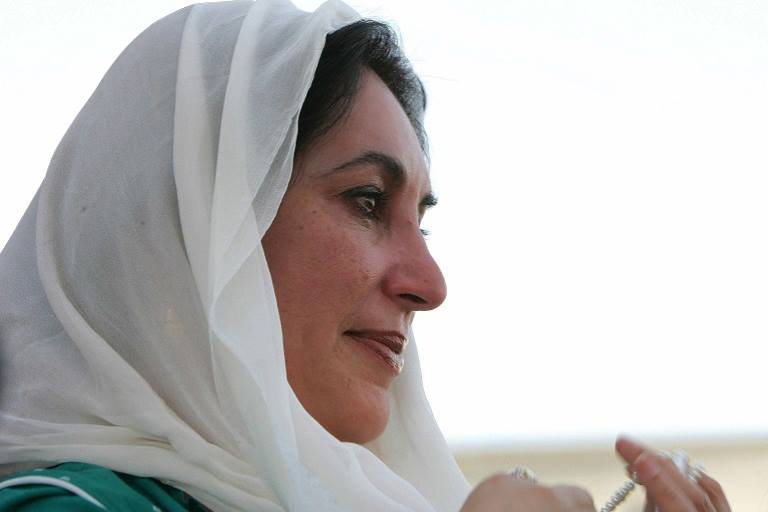
Newspapers termed this verdict disappointing as five suspects were released whereas two police officers were handed over prison sentences of 17 years each. Photo: AFP
After a lapse of almost a decade, the Anti-Terrorism Court on August 31 announced long due verdict in Benazir Bhutto assassination case. Newspapers termed this verdict disappointing as five suspects were released whereas two police officers were handed over prison sentences of 17 years each.
Former president Musharraf, who failed to appear before court, also got rid of the looming danger. People’s Party and other democratic platforms rejected the verdict as a travesty of justice. PPP challenged the verdict in LHC on September 18.
9. Murderers granted bail in Shahzeb murder case
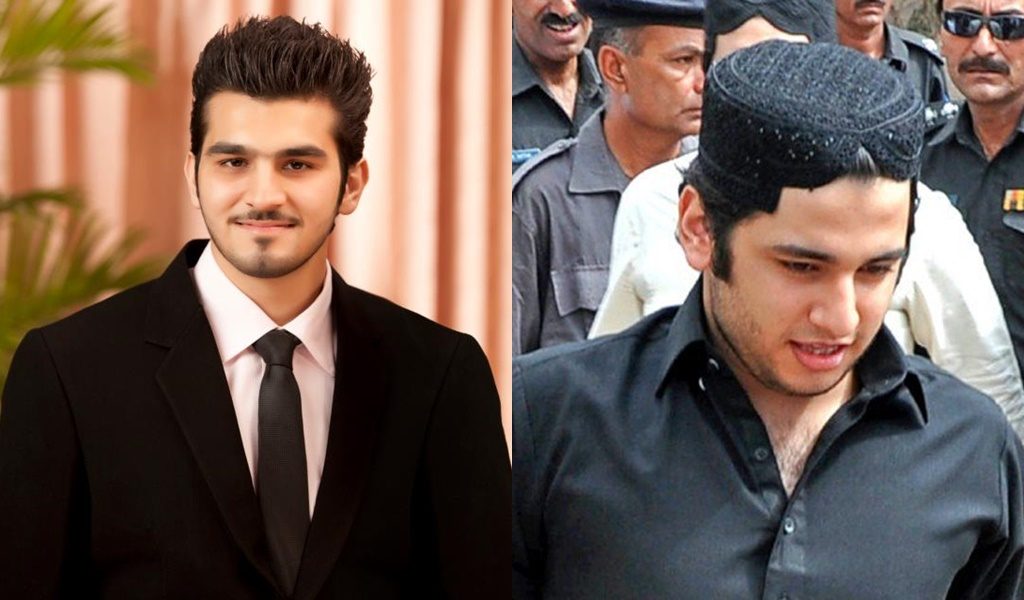
This case, like others, has had enormous influence on discourse surrounding inequality in Pakistan. Photo: File photo
Just prior to fifth death anniversary of Shahzeb Khan, a 20-year-old slain boy, the four accused in his murder, including the mastermind Shahrukh Jatoi, were released by court under Diyat (Compensation) law. Shahzeb’s father told the court that the family of the accused had apologised to Shahzeb’s family.
Shahrukh Jatoi had fatally opened fire on Shahzeb after a trivial altercation on a Karachi road. The wealthy and powerful killer fled to Dubai afterwards, before being handed over to Karachi police in 2013. ATC handed over Jatoi death sentence. Sindh High Court, later this year, decided to reopen the case and declared ATC’s decision null and void.
This case, like others, has had enormous influence on discourse surrounding inequality in Pakistan. While the poor are being executed on murder charges day in and day out, the powerful get away with such fate as they are able to intimidate the victim’s family. Raymond Davis case bears resembles to Jatoi’s case in this regard. The civil society is currently busy trying to reverse this repugnant trend.
10. SC takes notice of negligence vis-à-vis Katas Raj Temples condition
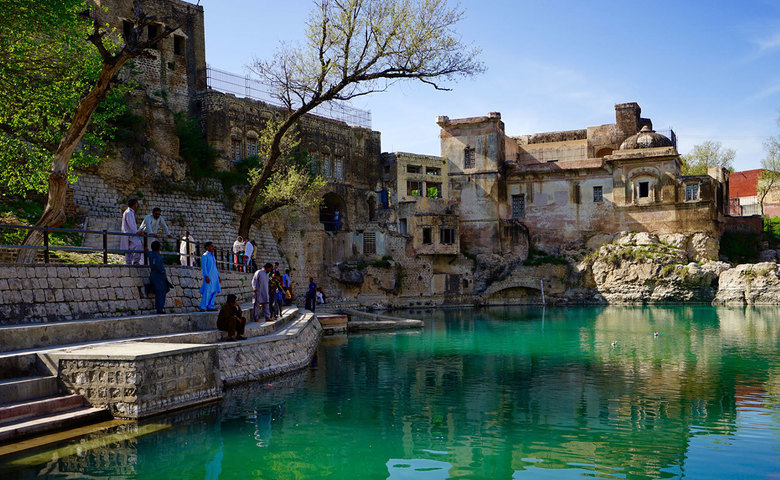
It was piercing for Hindu pilgrims to know that the moat had nearly been dried up and their was not enough water to perform rituals thereon. Photo: Twitter
On December 2, a horde of Indian pilgrims arrived in Pakistan to visit Katas Raj Temples. This is a huge structure comprising several temples, with a large moat adorning its landscape, which was, as a Hindu myth would have it, came into existence through deity Shiva’s falling tears.
It was piercing for Hindu pilgrims to know that the moat had nearly been dried up and their was not enough water to perform rituals thereon. In November, the chief justice had already taken suo moto notice of the deteriorating condition of the erstwhile splendid temple. On December 13, SC ordered four surrounding factories to halt drawing underground water through tube wells and directed Punjab government to fill the pond at any cost.
The media has expressed gratitude to the chief justice for pointing to an important anomaly, which would go a long way in assuring minorities that their concerns are heard and taken care of in this country brimming with Muslims.