Summary The Adviser has particularly emphasized the urgent need of eye surgeons.
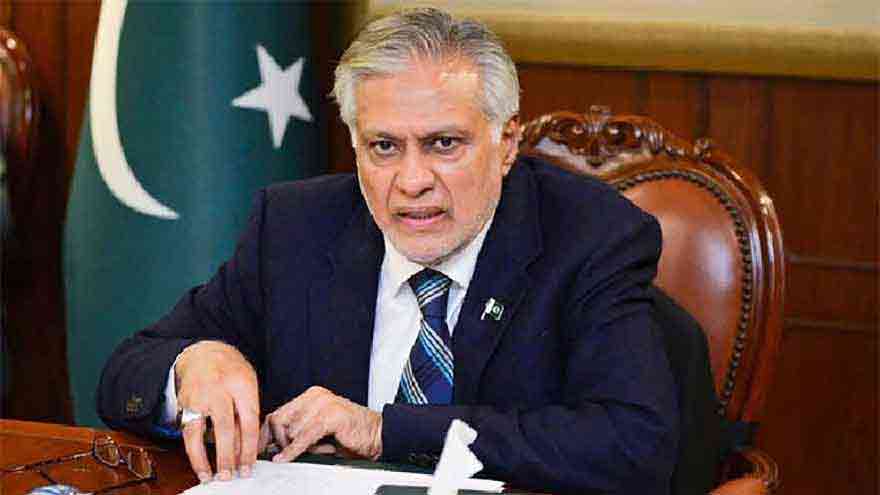
ISLAMABAD (Web Desk / AFP) - The Adviser to the Prime Minister on Foreign Affairs, Sartaj Aziz has written a letter to the International President of Medecins Sans Frontieres (Doctors without Borders) highlighting the state of medical emergency in Indian Occupied Jammu & Kashmir that has developed as a result of atrocious Indian brutalities against unarmed and defenseless civilians.
The Adviser has requested Medecins Sans Frontieres to immediately provide medical assistance to thousands of injured in IOK.
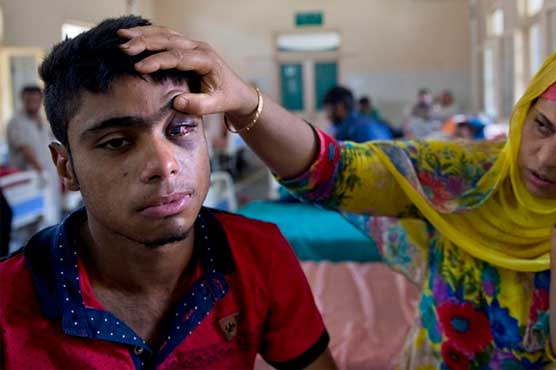
He particularly emphasized the urgent need of eye surgeons, as hundreds of people are suffering from severe eye injuries caused by the use of pellet guns on peaceful protestors.
Fresh protests in the region on Friday left at least two protesters dead and more than 100 injured, taking the death toll from nearly a month of unrest to 54.
Thousands of residents clashed with government forces, defying a curfew authorities extended to large parts of the disputed territory, including the main city of Srinagar, for the 28th straight day.
Government forces fired bullets, tear gas shells and pellets from shotguns to break up demonstrations and thwart a protest march called by separatists opposed to Indian rule.
"Forces fired to disperse large crowds at two places in Budgam district in which two persons died," a senior police officer told AFP on condition of anonymity as he was not authorised to speak to media.
"Over 100 protesters (and) some policemen were injured in the day-long clashes," the officer said.
Indian held Kashmir has spiralled into unrest with almost daily anti-India protests and clashes since the killing on July 8 of popular young freedom fighter Burhan Wani in a gunfight with soldiers.
The Himalayan territory has remained locked down since then as authorities imposed a rolling curfew, cut internet services and suspended most mobile networks.
The unrest, the worst since 2010, has left 54 civilians and two policemen dead so far. More than 4,000 people have been injured, many with pellets in their eyes causing partial or complete blindness.