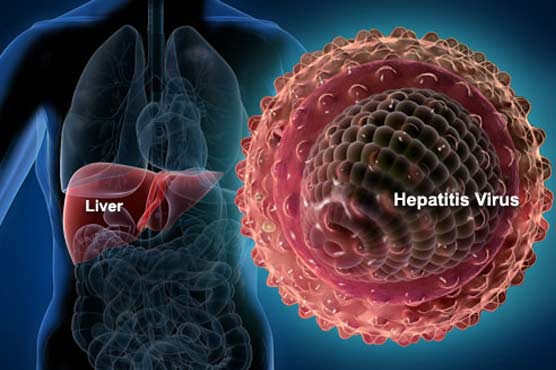
Summary Almost 240 million people around the world get affected by Hepatitis B every year
LAHORE (Web Desk) – World Hepatitis Day is observed each year on July 28 as people across the globe vow to continue efforts to put an end to the disease that affects millions of people all around the world on yearly basis.
What is Hepatitis?
Hepatitis is a disease which is primarily concerned with the inflammation of the liver. The disease is mainly caused by viruses but certain infections, autoimmune diseases or toxic materials may also be responsible for causing hepatitis.
Types of Hepatitis:
World Health Organisation (WHO) identifies five main types of hepatitis based on the viruses responsible for causing the disease, which are as follows:
1. Hepatitis A
2. Hepatitis B
3. Hepatitis C
4. Hepatitis D
5. Hepatitis E
Spreading of the disease:
WHO states that Hepatitis A and E are mainly caused as a result of consuming contaminated foods or liquids whereas Hepatitis B, C and D are caused because of contact being made with infected body fluids.
The disease easily gets transmitted from one person to the other through the donation of contaminated blood or even through the use of unsterilised medical equipment during treatment. Furthermore, Hepatitis B can transfer from a mother to her newly born baby at the time of birth whereas it can also spread through sexual contact.
Symptoms of Hepatitis:
At times, there may be no symptoms of the disease in the first week. The symptoms for Hepatitis A, B and C could include poor diet, tiredness, nausea, fever or yellowing of the skin or eyes – a condition called jaundice.
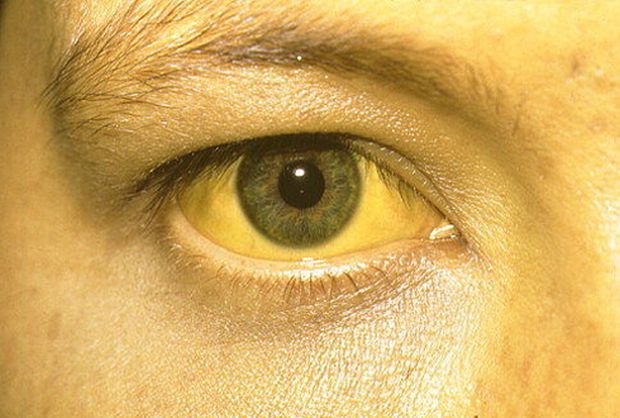
Jaundice
Owing to their chronic nature, Hepatitis B and C may damage a person’s liver to great degree for years without any symptoms.
Details of different types of hepatitis:
Hepatitis A:
This form of hepatitis can easily spread from person to person while causing mild illness. Though the affected individual may not even know that he or she is suffering from the disease, it does not, however, cause long-term damage to the liver.
Hepatitis A spreads easily through contaminated or even undercooked food. The disease can spread speedily in unhygienic conditions.
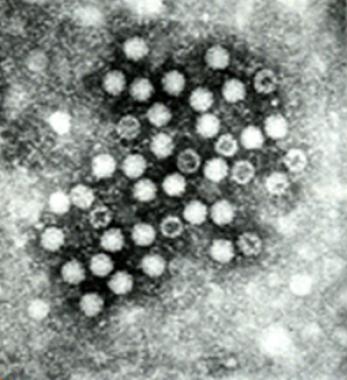
Virus responsible for causing Hepatitis A
Hepatitis B:
Persons suffering from this type of hepatitis can show mild symptoms at time as victims may be able to recover from the disease with the passage of time. However, if the affected individuals are not able to get rid of the virus, it may cause long-term damage to the liver, possibly leading to liver failure or even liver cancer.
Hepatitis B can spread from one individual to the other through the use of contaminated materials (razors, toothbrushes, needles) used by an infected person or even through the injection of illegal drugs in the body. It also spreads through sexual contact.

Virus responsible for causing Hepatitis B
Hepatitis C:
Though Hepatitis C can cause serious complications at times, almost 25% of the people suffering from this disease beat the virus in early stages.
The disease can spread through the use of infected needles used to inject drugs or blood contaminated body in the body or getting body piercing/tattoo on the body.
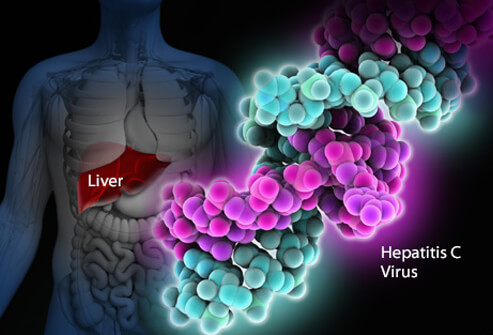
Virus responsible for causing Hepatitis C
Diagnosis:
Hepatitis can be diagnosed through various tests including imaging, liver biopsy and blood tests.
Damage caused by hepatitis:
According to the WHO, almost one million deaths are associated with various kinds of viral diseases. Hepatitis B and C are responsible for causing liver cancer in 78% of the cases. Almost 240 million people get infected by Hepatitis B alone in the entire world every year whereas Hepatitis D infects 10 million people. Out of these 10 million people, 20% fail to recover.
Prevention:
Spread of hepatitis can be prevented mainly by maintaining a hygienic lifestyle. Other methods of prevention include:
1. Vaccination
2. Avoid consumption of contaminated food and water
3. Ensure safe sexual contact
4. Use of sterilized medical equipment
5. Use of appropriate drugs
Hepatitis in Pakistan:
According to a report presented in 2015, almost 15 million Pakistanis suffered from hepatitis or one out of thirteen people carried Hepatitis B or C virus with them.
It is the need of the hour to highlight the methods of prevention of the viral disease in the country in order to make sure that the number of people suffering from the disease decreases.