Summary Kulbhushan Yadav was involved in violence in Balochistan province and the city of Karachi.
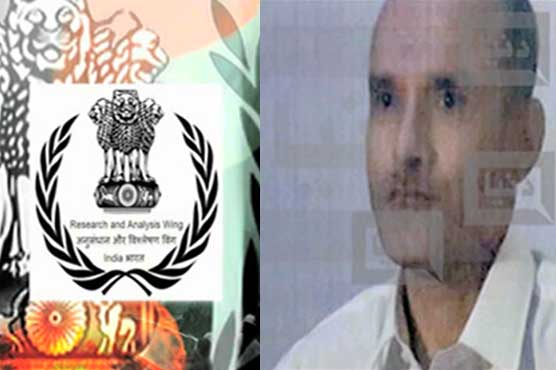
ISLAMABAD (Web Desk) – In another development in the interrogation process, it was revealed that Indian intelligence operative Kulbhushan Yadav had links with religious extremists in Balochistan.
According to sources, the Research and Analysis Wing (RAW) agent had given refuge to a banned organization’s commander in Saravan area of Iran, near the border of Pakistan.
He also funded and provided weapons to separatists and other militant groups in Pakistan.
On his information, the law enforcement personnel have also arrested another 15 suspects.
It may be mentioned here that the Indian intelligence officer was arrested from the southwestern Balochistan province last week for his involvement in "subversive activities" in the country and the Foreign Office had lodged a strong protest with India’s envoy over the case soon after his arrest.
Vikas Swarup, Indian External Affairs Ministry spokesman, confirmed Pakistan raised the issue with the Indian envoy but denied the arrested man had any ties to the government, saying he was retired from the navy.
Sources told Dunya News that the Indian officer sneaked into Balochistan from Iranian border using a passport with the name of Hussain Mubarak Patel.
After his arrest, Yadav was shifted to Islamabad for interrogation, during which it was revealed that he had purchased boats at the Iranian port in Chabahar in order to target Karachi and Gwadar ports in a terrorist plot.
Yadav also transported several ‘anti-state elements’ from Pakistan to India for training.
Last year, Pakistan’s permanent representative at the United Nations (UN), Maleeha Lodhi had handed over evidences of Indian interference in Balochistan and other parts to UN Secretary General Ban Ki-moon.
Balochistan, Pakistan’s largest but least developed province, has been battling terrorism for past years while the army has repeatedly claimed that it is promoted by states hostile to Pakistan such as India.
On the other hand, Karachi, a city of 20 million and economic hub, is frequently hit by religious, political and ethnic violence.