Summary Lifestyle changes could substantially lower the risk of hypertension and related cardiovascular diseases
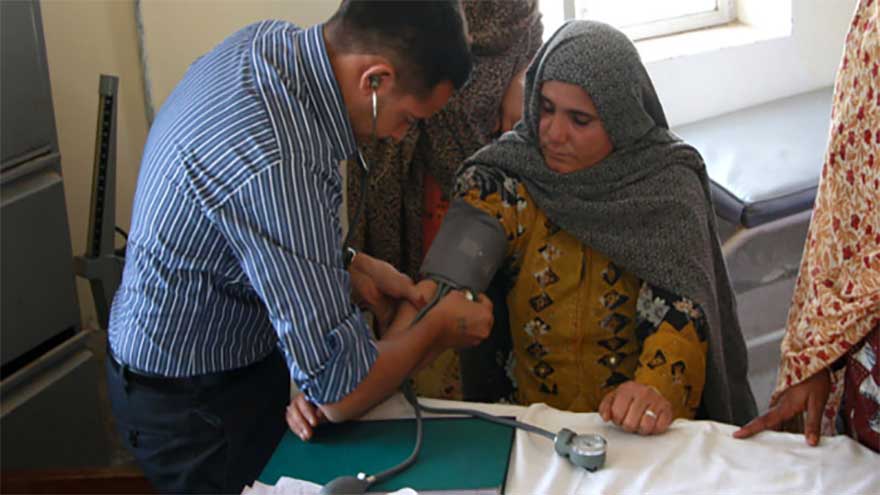
ISLAMABAD (Web Desk) - Medical experts on Sunday warned that hypertension is killing nearly 400,000 people in Pakistan every year, urging immediate nationwide preventive measures as cases of high blood pressure continue to rise among both adults and younger age groups.
The warning came during a World Hypertension Day seminar organized by the Dow University of Health Sciences (DUHS) in Karachi, where health professionals described hypertension as a “silent killer” driving an alarming increase in heart disease, strokes and kidney failure across the country.
Around 1.4 billion people worldwide were living with hypertension, while nearly 10 million deaths annually were linked to the condition globally, according to DUHS Pro Vice Chancellor Prof Jehan Ara Hasan.
In Pakistan, approximately 33 million people suffer from high blood pressure, but only 12 percent of them have their condition under control, while nearly half remain unaware that they are hypertensive.
“Hypertension is a silent killer that leads to several life-threatening complications including stroke, heart disease, kidney failure and vision impairment,” she said, adding that early diagnosis and lifestyle modification were essential to reducing its devastating impact.
Prolonged uncontrolled hypertension damages blood vessels and vital organs, increasing the risk of paralysis, kidney disease, heart attacks and blindness, according to experts. According to World Health Organization guidelines, every adult above the age of 18 should have their blood pressure checked at least once every two years to ensure early detection and timely management of hypertension.
Experts cautioned that tobacco use increased the risk of hypertension and cardiovascular diseases by up to 42 percent and underscored the need for greater public awareness, noting that many patients either remain undiagnosed or fail to take prescribed medication regularly despite living with dangerously high blood pressure.
“People often seek medical attention only after symptoms such as headaches, breathing difficulty or nosebleeds appear, without realizing that uncontrolled hypertension may already be damaging the heart, kidneys, brain and eyes,” the DUHS said in a statement, citing one of the experts.
Medical experts at the event warned that hypertension was increasingly affecting younger age groups, including children between 10 and 20 years of age. They noted that the rising prevalence of high blood pressure had significantly contributed to the increase in heart attacks and strokes across the country.
Excessive consumption of salt and spicy foods, smoking, obesity, physical inactivity, mental stress and unhealthy lifestyles were among the major contributing factors behind the growing burden of hypertension in Pakistan, according to experts.
Lifestyle changes, including healthier dietary habits, regular physical activity, weight management, smoking cessation and reduced salt intake, could substantially lower the risk of hypertension and related cardiovascular diseases.
The experts called for a national commitment to preventive health care and urged people to adopt healthier lifestyles, including promoting cycling culture over excessive dependence on cars.