Summary Tests may miss more than 1 in 5 COVID-19 cases
(Web Desk) - A team from Johns Hopkins Medicine has found that PCR-based tests for SARS-CoV-2 have a false negative rate of at least 20%, depending on the time of testing.
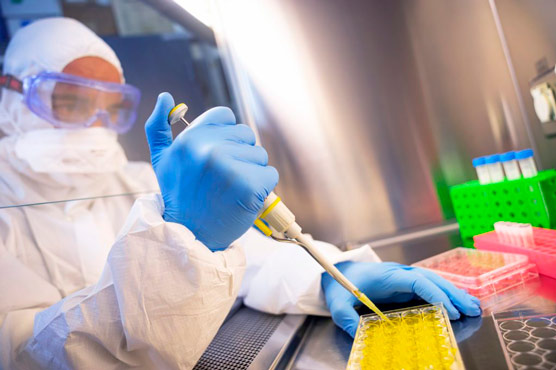
The majority of tests for the novel coronavirus involve taking a swab from the back of the nose or the throat for genetic analysis.
This analysis uses a laboratory procedure called reverse transcriptase-polymerase chain reaction (RT-PCR), which converts genetic material from the virus (RNA) to DNA before amplifying it. It allows the detection of genetic material specific to the SARS-CoV-2 virus, confirming a diagnosis of the associated disease, COVID-19.
Although serological, or antibody, tests are also available, these typically serve to confirm a past infection in people who have since recovered from COVID-19, rather than to detect an active infection.
There has been much discussion about the accuracy of antibody tests, with manufacturers even withdrawing some such tests due to concerns about their reliability. A new analysis suggests that the accuracy of RT-PCR could also be under question.
Scientists from Johns Hopkins Medicine in Baltimore, Maryland, have shown that as many as 1 in 5 RT-PCR tests for the coronavirus may produce false negatives, incorrectly informing a patient that they do not have a SARS-CoV-2 infection when they actually do.
Estimating sensitivity
Since the beginning of the coronavirus outbreak, RT-PCR has had routine use as a diagnostic tool. However, the accuracy of the technique in detecting SARS-CoV-2, and particularly how this relates to the length of time since the infection, is unclear.
Understanding the accuracy of the test is vital because the results frequently contribute to important decisions, such as whether to allow healthcare workers to return to work.
Incorrectly telling a person working on the frontline that they do not have a SARS-CoV-2 infection and can return to work could lead to further spread of the virus. Additionally, the information from testing also informs the decisions of governments regarding the lifting of restrictions.
To estimate the rate of false-negative tests for the coronavirus, the researchers behind this study searched the literature on the topic. They included studies that used an RT-PCR-based test to detect SARS-CoV-2 in samples collected from the upper respiratory tract and that also reported the time since symptom onset or exposure to the virus.
They identified seven studies in total, which included data from 1,330 patient samples, including inpatients (people in the hospital) and those managing their symptoms at home.