Summary Misinformation and fake news spark India coronavirus fears
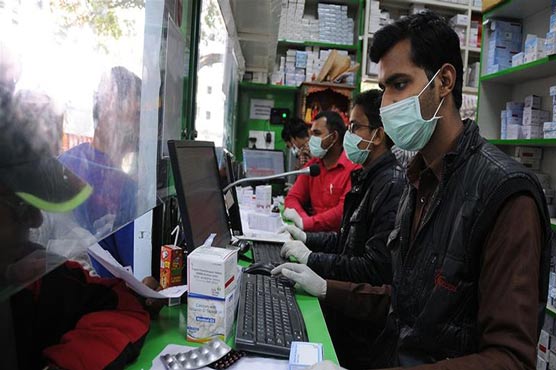
(Web Desk) - India’s battle against the coronavirus has many obstacles - large crowds, a stretched health system and inadequate infrastructure - as the number of infections rose to 47 on Tuesday.
But beyond these, familiar foes are rearing their heads: misinformation and fake news.
Through its vast social media networks, a wave of inaccuracy is spreading on coronavirus, which causes an illness known as COVID-19.
From offering unverified home remedies to tackle the virus, to floating fake advisories asking people to avoid foods such as ice cream and chicken, and sharing conspiracy theories, Indians’ phones are being flooded with misinformation.
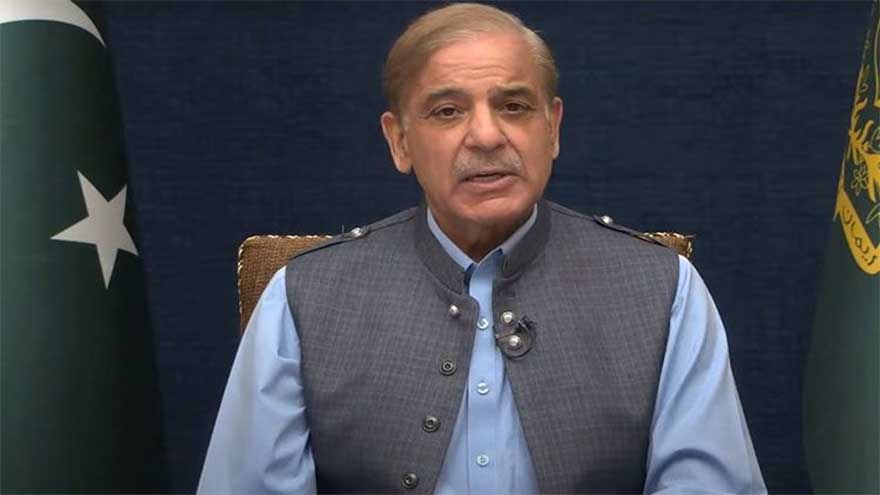
On Saturday, Prime Minister Narendra Modi was forced to appeal to citizens, asking them to not heed to rumours surrounding COVID-19.
The country’s stock exchange plunged to its lowest level since 2010 amid fears of the disease.
Biggest market for WhatsApp
The scale of the country’s social media usage complicates the fight against misinformation.
India is the biggest market for the Facebook-owned messaging application, WhatsApp, with more than 400 million users in a country which had 468 million smartphones in 2017.
Dozens of people have been killed in public lynchings by angry crowds during the past four years over WhatsApp rumours they were child kidnappers.
Since the coronavirus outbreak last December in China, misinformation, especially through WhatsApp, has risen, says Shachi Sutaria, a fact checker focused on science and health, with Boom, one of India’s leading fact-checking websites.
"Normally, we don’t see such high levels of misinformation around health issues in India. Earlier, we would get two to three messages a week on health issues that we would fact check. Now, we get up to five to six messages every day, much of it on coronavirus."
.png)
One message, claiming to be an advisory from UNICEF, debunked last week, asks people to avoid ice creams and other cold foods and recommends frequent washing of clothes because "corona virus when it falls on the fabric remains nine hours (sic)".
Another recommends heavy Vitamin C intake, yet another message lists a do-it-yourself (DIY) detection test for the virus.
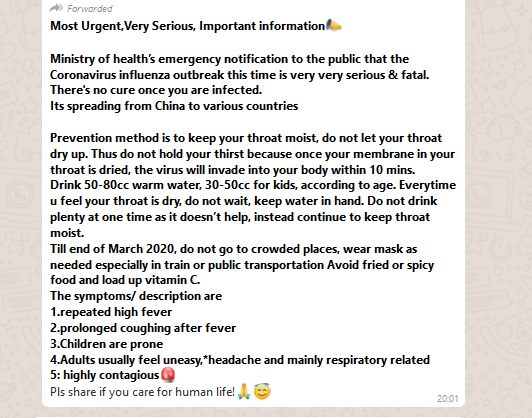
A similar message warns people to "not hold your thirst because once your membrane in your throat is dried, the virus will invade into your body within 10 minutes."
Another more sinister type of viral message lists large Hindu congregations and takes pride that they have never been sources of epidemics, alleging that "weirdest eating habits of some of the countries should be banned (sic)," and ending with extolling the virtues of Hinduism.