Updated on
Summary The pewter-like alloy is poured slowly into a mold and cools quickly.
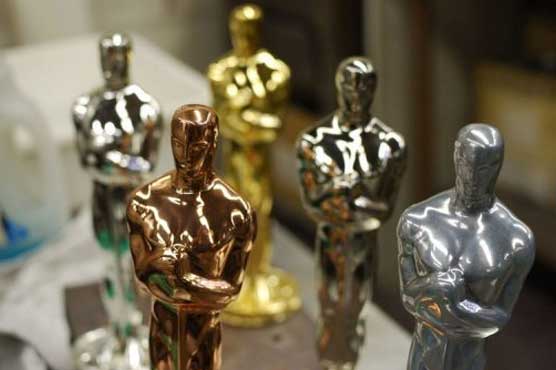
Oscar magic is brewing in a gritty Chicago factory where the statues soon to be hoisted in victory by the stars of the silver screen are born in a bubbling vat of Britannia.The pewter-like alloy is poured slowly into a mold and cools quickly. But it takes 40 hours of precise and delicate work before Oscar is ready for the bright lights of Hollywood. The heart of the trophy -- with its iconic square jaw, broad chest and sword -- is swiftly hammered out in preparation for careful polishing.Once every blemish is erased and Oscar shines like a mirror, the statue is hand-dipped in electrically-charged tubs of molten copper, nickel, silver and 24-carat gold. Then its on to more polishing and a blinding lacquer before Oscar is finally screwed into his heavy base and carefully boxed using white gloves.Hand-casting is a dying art, but one the Academy is willing to pay dearly for as it jealously guards the reputation of one of the most sought-after and recognized trophies in the world. The perils of seeking cheaper alternatives were on display at the Golden Globes last year when Robert De Niro showed up empty-handed in the press room after receiving a lifetime achievement award.The top fell off, he told reporters. Theyll have to solder it back on.R.S. Owens -- which has been making Oscar since 1982 -- is the last trophy manufacturer left in the United States.Most of the cheap trophies handed out at kids sports tournaments are now made in China.R.S. Owens has fought to hang on by focusing on prestige awards -- like the Oscars, the Emmys, MTV Music Awards, and the London International Advertising Award -- and the corporate market.Its display cases are filled with familiar figures like the Jolly Green Giant, the Planters Peanut, the Pillsbury Doughboy, Tony the Tiger and a crystal, sunglass-wearing Starkist Tuna. But it had to lay off around a third of its staff after the 2008 economic crisis took a huge bite out of the employee recognition market as it was already struggling to stem a slow, but steady loss of its prestige client base.In the past, many of the prestigious awards (contracts) that we lost didnt care that they were made in China, said Scott Siegel, whose father founded R.S. Owens in 1938.