Updated on
Summary Murray defended his use of the surgical anesthetic propofol to put Jackson to sleep.
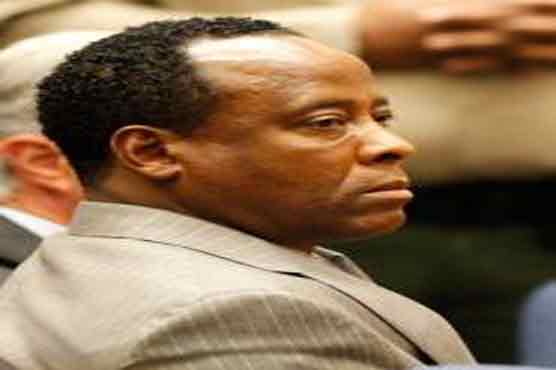
The doctor convicted of killing Michael Jackson remained silent during his trial, but Conrad Murray defended himself in interviews taped just days before a jury found him guilty of involuntary manslaughter.Murray defended his use of the surgical anesthetic propofol to put Jackson to sleep in interviews set to air Thursday and Friday on NBCs Today show. NBC released excerpts of the interview Wednesday.I think propofol is not recommended to be given in the home setting, Murray said, but it is not contraindicated.The Houston cardiologist also said Jackson had been using the substance long before the pop star met Murray.Under questioning by the Today shows Savannah Guthrie, Murray said it was not necessary for him to monitor Jackson because he had given him only a small dose of propofol, and he said that was the reason he didnt mention it to paramedics when they arrived at Jacksons mansion.Thats a very sad reason, he said, because it was inconsequential 25 milligrams and the effects gone. Means nothing.Guthrie asked, Well, you told them about the other drugs, but you didnt tell them about propofol?Because it had no effect, Murray said. It was not an issue.The coroner would subsequently find that Jackson, 50, died of acute propofol intoxication after a huge dose of the drug complicated by other sedatives.Murrays defense tried to show that Jackson gave himself an extra dose of propofol while Murray was out of the room, but prosecution experts said there was no evidence of that and it was a crazy theory.Asked by Guthrie if he became distracted by phone calls, emailing and text messages, Murray said, No I was not.When I looked at a man who was all night deprived of sleep, who was desperate for sleep and finally is getting some sleep, am I gonna sit over him, sit around him, tug on his feet, do anything unusual to wake him up? No, Murray said.You walked out of the room to talk on the phone? Guthrie asked.Absolutely, I wanted him to rest.He insisted Jackson was not on an infusion that would stop his breathing and, I was not supposed to be monitoring him at that time because there was no need for monitoring.Other doctors testified at Murrays trial that leaving a patient alone after giving him an anesthetic was an egregious deviation from the standard of care expected of a physician.In one exchange, Murray suggested that had he known that Jackson had a problem with addiction to medications he might have acted differently. Experts testified that he should have researched Jacksons medical history before he undertook his treatment for insomnia.