Summary The sites added to the list include Bhamala in Haripur, Sethi House and Gor Gathri in Peshawar, and Barikot in Swat
(Web Desk) - Four important historical and archaeological sites in Khyber Pakhtunkhwa have been added to UNESCO’s Tentative List, bringing fresh international attention to the province’s rich cultural heritage.
The sites include Bhamala in Haripur, Sethi House and Gor Gathri in Peshawar, and Barikot in Swat, all of which represent different chapters of the region’s long and diverse history.
The inclusion of the sites on the Tentative List is an important step towards their possible future nomination for UNESCO World Heritage status. A Tentative List serves as an inventory of cultural and natural properties that a country intends to consider for nomination.
Bhamala — Haripur
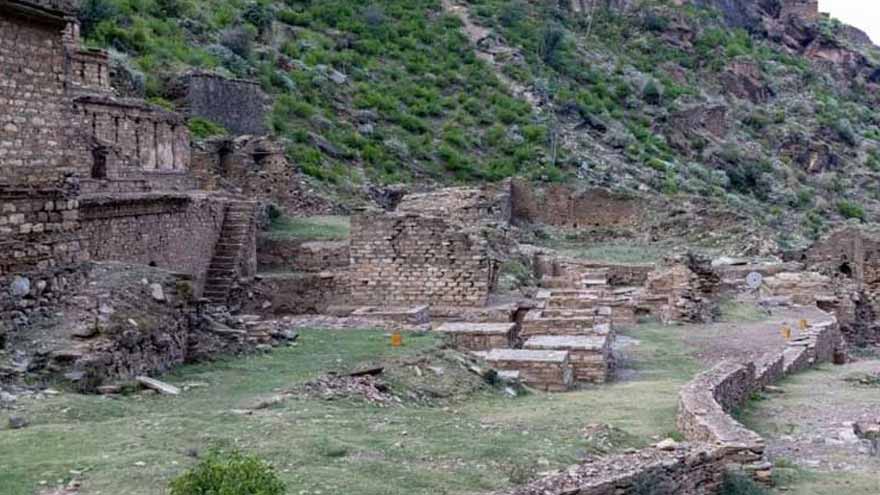
Located in Haripur district, Bhamala is an important Buddhist archaeological site associated with the ancient Gandhara civilisation. The site is particularly notable for its Buddhist monastery and archaeological remains, reflecting the spread and development of Buddhism in the Gandhara region.
.jpg)
Bhamala is also known for its distinctive Buddhist sculpture and the remains of an ancient monastic complex, making it an important source for understanding the religious and cultural history of the region.
Sethi House — Peshawar
Sethi House, located in Peshawar’s historic walled city, represents the architectural and cultural heritage of the Sethi family, a prominent trading family of the region..jpg)
The mansion is known for its elaborate woodwork, decorative interiors, carved details and traditional architectural features. It provides a glimpse into the lifestyle, craftsmanship and commercial history of old Peshawar.
Gor Gathri — Peshawar
Gor Gathri, one of the best-known historical sites in Peshawar, is situated in the heart of the city’s old quarter. The archaeological and historical complex reflects the city’s long history and its importance as a centre of trade and interaction between different cultures..jpg)
The site has witnessed several historical periods and contains remains and structures associated with different phases of Peshawar’s development, making it significant to the city’s archaeological heritage.
Barikot — Swat
Barikot, in Swat, is another important archaeological site associated with the ancient history of the region and the wider Gandhara cultural sphere..jpg)
Archaeological discoveries at the site have provided evidence of ancient settlement and helped researchers understand the region’s early urban development, cultural exchanges and historical links with surrounding civilisations.
Government Welcomes Development
Provincial Information and Public Relations Minister Shafi Jan described the inclusion of the four sites as a major achievement for the provincial government and an international recognition of Khyber Pakhtunkhwa’s cultural wealth.
He said the development would help highlight the historical and cultural importance of the province at the international level.
Shafi Jan said the government was continuing efforts to preserve, restore and promote the province’s historical heritage. He described the region’s cultural legacy as a source of pride and a responsibility that must be protected for future generations.
He added that the preservation and international promotion of historical sites remained among the provincial government’s priorities.
Pakistan currently has six properties inscribed on the UNESCO World Heritage List, while its Tentative List contains additional sites being considered for possible future nomination.