Summary International Museum Day is observed every year on May 18 across the world to raise awareness about the importance and value of museums.
LAHORE (Javed Iqbal) – Every nation is recognised through its history, civilization, culture, and traditions. Nations that preserve their past are the ones that achieve a strong and dignified position in the future. Museums play a vital role in protecting this great heritage of human civilization.
This is why International Museum Day is observed every year on May 18 across the world to raise awareness about the importance and value of museums. The observance was initiated by the International Council of Museums in 1977.
On this occasion, special events, exhibitions, seminars, and educational programmes are organized in different countries worldwide.
Museums serve as the collective memory of a nation. They preserve ancient artifacts, historical documents, rare photographs, war equipment, old coins, sculptures, cultural clothing, artworks, and other valuable items.
These institutions not only provide a glimpse into the past but also connect people with their cultural roots. A good museum takes visitors on a journey through centuries of history, allowing them to witness the civilizations, lifestyles, and progress of different eras.
Among the world’s most famous museums are the Louvre Museum, the British Museum, and the Metropolitan Museum of Art, which house millions of historical and cultural artifacts. These museums attract millions of tourists every year and help promote harmony and understanding among different civilizations and cultures.
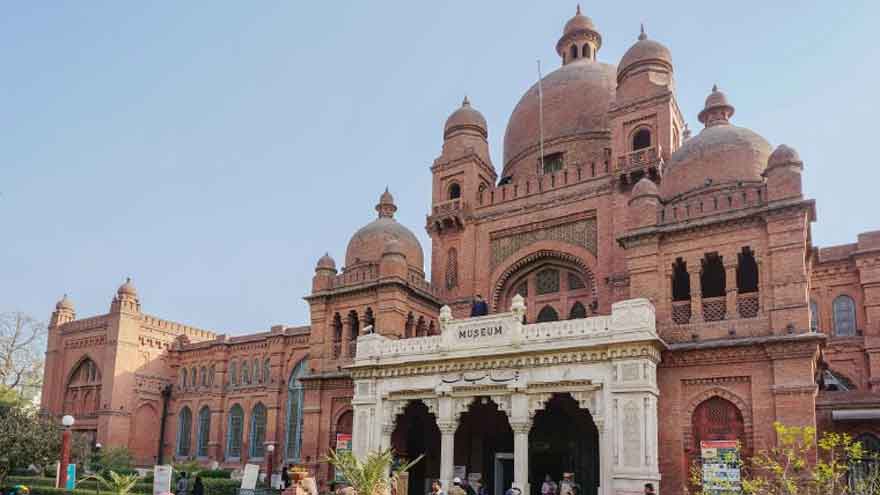
Pakistan is also a country rich in history and culture, with countless traces of ancient civilizations. The Indus Valley Civilization is considered one of the oldest civilizations in the world. Historical sites such as Mohenjo-daro, Harappa, and Taxila are symbols of this great heritage. Museums in Pakistan, including the Lahore Museum, the National Museum of Pakistan, and the Taxila Museum, hold special importance. These museums preserve rare artifacts related to Buddhism, the Gandhara civilization, Islamic architecture, and the history of the subcontinent.
Museums are not only tourist attractions but also educational centers. Students visiting museums can witness in reality the history they read about in books. An ancient sword, centuries-old coin, or historical manuscript can inspire young minds to develop an interest in research and study. This is why educational tours to museums are given special importance in schools and universities in developed countries.
In the digital age, the importance of museums has increased even further. Many museums around the world now offer online exhibitions and virtual tours, enabling people to explore historical artifacts from their homes. This modern approach has increased the interest of the younger generation. Social media and digital platforms have also accelerated the promotion of cultural heritage across the globe.
Unfortunately, awareness about museums remains limited in our society. Many people consider them merely collections of old objects, whereas in reality they are guardians of a nation’s intellectual and cultural identity. There is a need for the government and educational institutions to create greater public awareness about the importance of museums. Subjects related to the preservation of historical heritage should be included in school curricula, and educational study tours should be arranged for students.
At the same time, improving the condition of museums is equally important. Many historical artifacts are being damaged due to a lack of proper care. The government should modernize museums according to international standards through advanced technology, expert archaeologists, and research facilities. Improving tourism facilities will not only promote the country’s culture but also benefit the economy.
International Museum Day gives us the message that nations cannot progress without protecting their historical and cultural heritage. Museums serve as a strong bridge between the past, present, and future. These institutions connect the younger generation with their civilization, identity, and national history. If we preserve our historical heritage, future generations will also take pride in their identity and culture.
Therefore, we should understand the importance of museums, play our role in their preservation, and safeguard this great cultural treasure for generations to come.