Updated on
Summary Ex-British police chief believes Twenty20 cricket is partially to blame for spot-fixing.
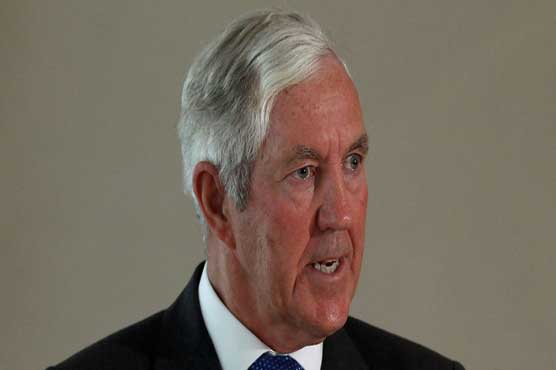
Paul Condon, who set up the International Cricket Councils anti-corruption unit, told The Cricketer magazine that the shortest format of the sport took away the discipline and rigor which the unit had been enforcing and the players were exposed to lots of people making very, very big sums of money.Probably the greatest trigger point was the explosion of T20, he said in excerpts released Wednesday from the magazine. The anything goes party atmosphere allowed some really bad people back into the game. Some of the notorious fixers from early years started to re-emerge on the circuit in India, Pakistan, South Africa, Australia and the UK.It almost legitimized the bad guys being back around cricket again, and fixers were even seen in promoters boxes and at matches. What up to then had been pretty tight and regulated, suddenly became a free-for-all. I think the temptation was to do a little fix here and a little fix there and still win the match and they were not seeing it as criminal.Earlier this month, Pakistan players Salman Butt, Mohammad Asif and Mohammad Amir were sentenced to jail in London on corruption charges for spot-fixing by bowling predetermined no-balls in a test against England last year.In February, the ICC suspended the trio for a minimum period of five years from having any involvement in cricket.Condon became the youngest commissioner of the Metropolitan Police at the age of 45 in 1993. He was appointed chief of ICCs first anti-corruption unit in 2000.Condon said that since 2000 around five to six national teams at some stage had been closely monitored and scrutinized.Probably Pakistan has been the most challenging in recent years, he said.The anti-corruption unit needs a boost in resources to match the amount of international cricket being played, Condon says, adding that the involvement of players in running the sport would help them take part ownership of the problem.