Summary Shahryar Khan said Big Three system was non-democratic.
LAHORE (Daily Dunya) – Pakistan Cricket Board (PCB) chairman Shahryar Khan has said that Pakistan played a significant role in eliminating the Big Three system, Roznama Dunya reported on Saturday.
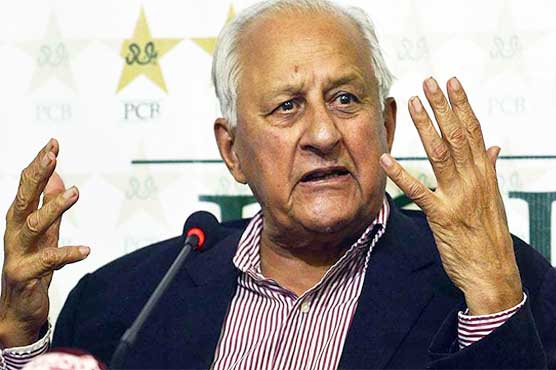
According to details, PCB chief expressed his views in a press conference at his home. He told that Pakistan brought this system to its logical conclusion with the help of other cricket boards.
Shahryar Khan added that Big Three system was non-democratic and he had started his efforts to get rid of this system as soon as he assumed charge of his post. He also acknowledged the role of Shashank Manohar and said he played the most important part in removing this system.
Shahryar Khan let it be known that Pakistan will get benefit of Rs 39 million dollars after the end of Big Three.
PCB chief revealed that Board of Control for Cricket in India (BCCI) threatened other boards by writing letters to them before the meeting of International Cricket Council (ICC) in Dubai, but nobody paid heed to its pressure. BCCI had warned to take counter step against the decision, he added.
Shahryar Khan said the new constitution of ICC will be presented in June this year, and the matter of Big Three would have ended by then. He looked hopeful for a better governance system of ICC which will be more democratic.
He further added that he met BCCI officials in Dubai and made it quite clear that PCB will send them notice to get compensation for not playing series against Pakistan despite signing Memorandum of understanding (MoU). He also said that the next chairman after him will also continue the legal battle against BCCI.
Talking about the visit of World XI in Pakistan, PCB chief told that their arrival is confirmed, we only have to finalize the players and budget of the tour.
Shahryar also told that PCB has postponed Bangladesh series for two years, and is in contact with other countries for the replacement of this series.