Summary Global crude oil prices rose as uncertainty over US-Iran negotiations and Strait of Hormuz shipping raised concerns about potential energy supply disruptions.
NEW YORK (Dunya News) – Global crude oil prices rose sharply on Monday as uncertainty surrounding US-Iran negotiations and the reopening of the strategic Strait of Hormuz raised concerns about disruptions to international energy supplies.
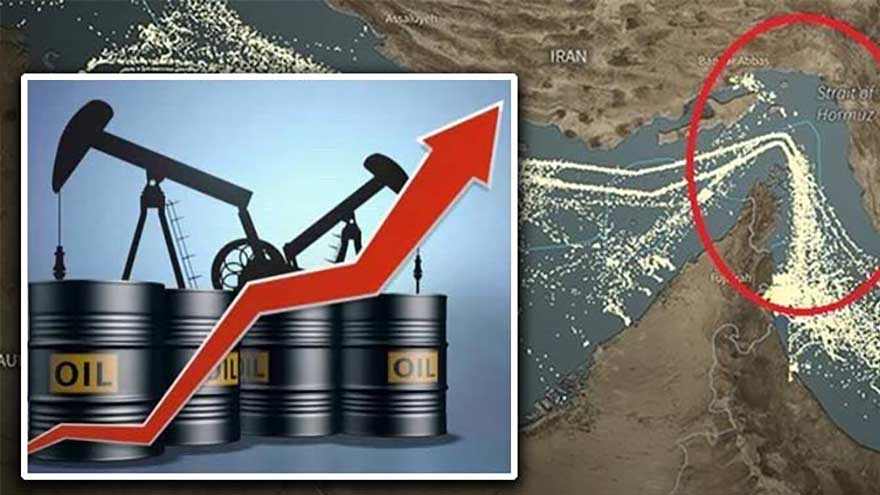
Brent crude, the international benchmark, increased 2.57 per cent to reach $85.70 per barrel, while US West Texas Intermediate (WTI) crude gained 2.52 per cent to settle at $80.15 per barrel.
Market analysts attributed the rise primarily to uncertainty over the future of negotiations between Washington and Tehran and the prospects for restoring normal maritime traffic through the Strait of Hormuz.
The waterway is one of the world's most important energy transit routes, making any disruption to shipping through the strait a major concern for oil markets and the global economy.
Investors are closely monitoring developments between the United States and Iran as they assess whether diplomatic efforts could ease tensions and help restore stability to regional energy and shipping routes.
Iran says talks with Oman are constructive
Iran, meanwhile, said negotiations with Oman over maritime traffic through the Strait of Hormuz were progressing in a constructive manner.
Iranian officials said discussions regarding the situation in the strategic waterway were continuing, although no final outcome had yet been announced.
The conflicting signals have left energy markets highly sensitive to developments. While any progress in diplomatic negotiations could ease concerns about supply disruptions and potentially put downward pressure on oil prices, continued uncertainty could keep crude prices elevated.
Strait of Hormuz remains key to oil markets
The Strait of Hormuz connects the Persian Gulf with the Gulf of Oman and is a critical route for international energy shipments. Any prolonged disruption could affect crude oil supplies and increase transportation and insurance costs.
Higher oil prices could also create broader economic challenges for countries that depend heavily on imported energy. Rising crude prices can increase fuel, transportation and production costs, potentially adding to inflationary pressures.
For oil-importing economies, including Pakistan, sustained increases in global crude prices could put additional pressure on the import bill and domestic fuel prices.
Markets are therefore expected to remain focused on US-Iran diplomatic developments, the situation around the Strait of Hormuz and any announcements concerning the restoration of normal maritime traffic.
For now, the sharp increase in crude prices reflects investors' caution as they await greater clarity on the outcome of negotiations and the future of shipping through the strategically important waterway.