Summary Saudi Arabia releases additional $1 billion to Pakistan, completing second tranche of $3bn deposit support, as State Bank confirms inflows and finance minister highlights extension plans
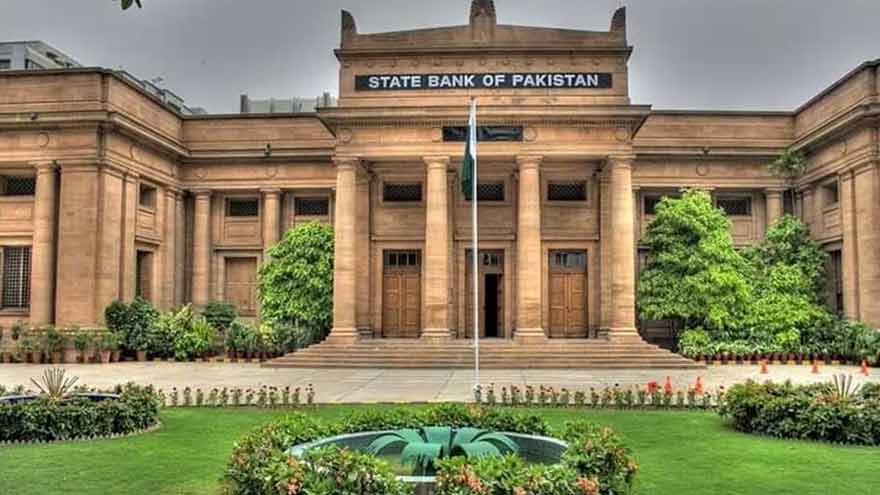
KARACHI (Dunya News) - The State Bank of Pakistan (SBP) confirmed on Tuesday that the country has received $1 billion from Saudi Arabia, marking the second tranche of a previously agreed $3 billion deposit package.
According to the central bank, “The State Bank of Pakistan has received US$1 billion from the Ministry of Finance, Kingdom of Saudi Arabia, with a value date of 20 April 2026.”
The SBP stated that this amount represents the second installment of the $3 billion deposit facility recently agreed with Saudi Arabia. The first tranche of $2 billion had been received last week.
This development follows Prime Minister Shehbaz Sharif’s visit to Saudi Arabia aimed at strengthening diplomatic engagement and promoting peace efforts in the Middle East.
Earlier, Saudi Arabia committed an additional $3 billion in deposits for Pakistan and extended its existing $5 billion facility for another three years.
— SBP (@StateBank_Pak) April 21, 2026
Meanwhile, Pakistan is expected to repay a $3.5 billion loan to the United Arab Emirates this month, adding pressure to its foreign exchange reserves and raising concerns over IMF programme targets.
The country’s external account situation remains under strain due to rising global oil prices and regional economic uncertainties linked to Middle East tensions.
Official data shows Pakistan’s foreign exchange reserves stood at $16.4 billion as of March 27, enough to cover nearly three months of imports. However, the upcoming repayment to the UAE has further tightened external financial conditions.
Earlier in March, Pakistan was unable to secure an agreement with the UAE to roll over the $3.5 billion facility, the first such failure in seven years, increasing concerns about short-term financing needs.
Despite these pressures, Pakistan’s external sector remains part of broader stabilization efforts under the IMF-supported reform programme. Analysts continue to view external financing risks as a key vulnerability, particularly amid fluctuating global energy prices and tight international financial conditions.