Summary Trump post says 'good' talks with Iran discuss 'Complete and total resolution of hostilities'
LONDON (Reuters) – Oil prices fell by over 13% on Monday after US President Donald Trump said he would order the military to postpone any strikes against Iranian power plants and energy infrastructure.
Brent crude futures had fallen around $17, or 15% to a session low of $96 a barrel by 1108 GMT while US West Texas Intermediate had fallen $13, or about 13.5%, to a session low of $85.28.
Trump said on Monday he had given instructions to postpone any military strikes against Iranian power plants for five days, just hours ahead of a deadline that threatened further escalation in the conflict now in its fourth week. Trump said in a post on Truth Social that the US has had "VERY GOOD AND PRODUCTIVE" conversations with Iran over the past two days about a "COMPLETE AND TOTAL RESOLUTION OF HOSTILITIES IN THE MIDDLE EAST".
In his message, written entirely in capital letters, he said he had instructed the defense department to postpone the strikes pending the outcome of current talks.
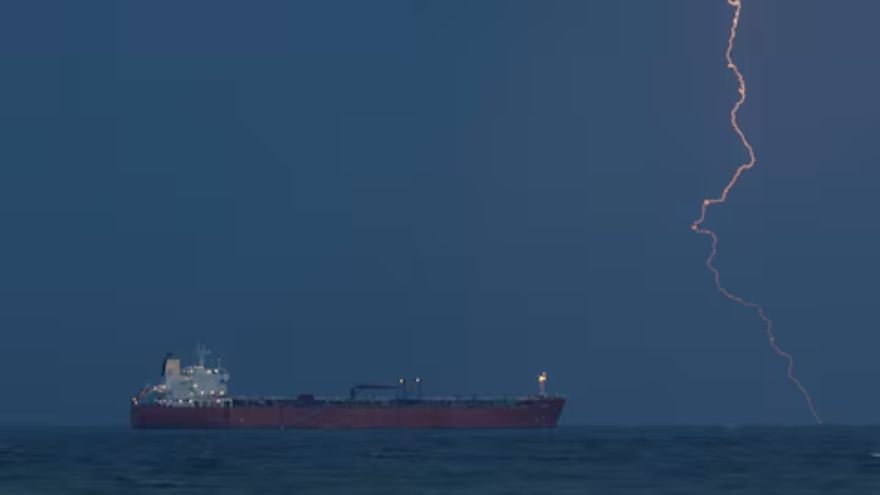
On Saturday, Trump had warned that Iranian power plants would be destroyed if Tehran failed to "fully open" the Strait of Hormuz to all shipping within 48 hours. Trump set a deadline of around 7:44 p.m. EDT (2344 GMT) on Monday.
His comments sparked threats of retaliation from Iran's Revolutionary Guards, which said in a statement on Monday they would attack Israel's power plants and those supplying US bases across the Gulf region if Trump followed through with his threat to "obliterate" Iran's power network.
More than 2,000 people have been killed in the war the US and Israel launched on February 28, which has upended markets, driven up fuel costs, fuelled global inflation fears and convulsed the postwar Western alliance.
The threat of strikes on Gulf electricity grids raised fears of mass disruption to desalination for drinking water, and further rattled oil markets.