Updated on
Summary High government borrowing puts pressure on inflation , says Governor SBP
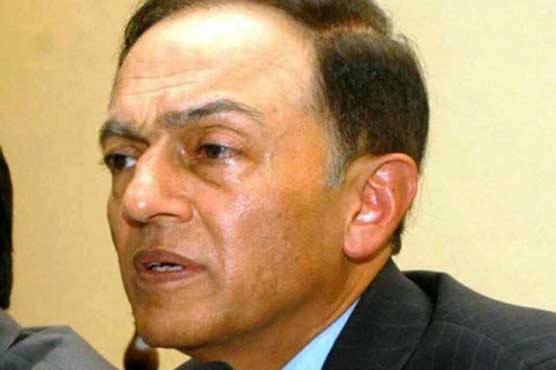
Pakistans central bank governor expects inflation pressures to persist in the next fiscal year beginning July as challenges in meeting federal revenue targets could push up government borrowing.The State Bank of Pakistan was also wary of the governments dollar inflows expectation in the current fiscal year, Yaseen Anwar told Reuters in an interview on Thursday.Pakistan hopes to secure inflows from selling licences for third-generation (3G) mobile telecom services, U.S Coalition Support Fund for Pakistan and privatisation proceeds of Pakistan Telecommunication Co Ltd before June 30.The targets for inflows are, in my view, somewhat ambitious. If they are not met, then we see the fiscal deficit of 4.7 percent (of GDP) that the government has earmarked will be somewhat north of that, Anwar said.However, robust inflows from remittances averaging $1 billion a month will help in cushioning the balance of payments(BOP), said Anwar, who was attending the Reserve Bank of Indias international research conference here.The central bank expects its current account deficit to be 2 percent of gross domestic product in this fiscal year and does not envisage much pressure coming from hefty repayments to the International Monetary Fund (IMF).The $1.3 billion payment due to IMF this fiscal year is not in a lumpsum, which to some extent eased pressure on the BOP, he said.It is in this month and in April in half instalments each and these amounts have been budgeted in our BOP calculation. We have factored them into our forecast of our reserves.Pakistans current account deficit widened to $2.154 billion in the first six months of the 2011/12 fiscal year versus a surplus of $8 million, central bank data showed.Anwar said the government needs to contain its borrowings to ease pressure on inflation.Pakistans January consumer price index inflation was at 10.10 percent, with the average inflation target at 12 percent.EXCHANGE RATEThe central bank is not too worried about the Pakistan rupees recent fall and has not intervened in the market significantly, Anwar said.Keep in mind , rupee has depreciated from July 1 to December 31 only 4.6 percent. The kind of depreciation is not that significant, it has not impacted our budget calculation. It is factored in.The Pakistan rupee touched a record low of 91.20 rupees per dollar on Jan. 9. The currency fell 4.82 percent in 2011 and 0.42 percent so far in 2012.We have used other instruments to take actions to ensure that banks that are taking speculative positions are watched and carefully manage the import cover for letters of credits.IMF LOANPakistan does not plan to go for another IMF loan programme in the current fiscal year ending June 30, Anwar said.We dont have any plans at the moment to take another programme as of today.In 2008, Pakistan and the IMF agreed on a 3-year loan package worth $11 billion. But the programme was halted in 2010 because of slow implementation of fiscal reforms, and only $8 billion has been disbursed.Pakistan has to repay IMF about $1.3 billion by the end of 2011/12 fiscal year.