Updated on
Summary Restriction on Yuan was last instructions of late leader Kim Jong-Il, according to report.
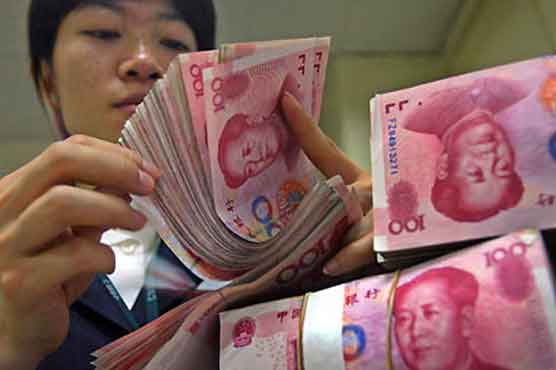
North Korea has banned the use of Chinas yuan and other foreign currency in its markets, saying this was part of the last instructions of late leader Kim Jong-Il, according to a Seoul-based aid group.People have repeatedly been instructed to go to banks and exchange foreign currency for the won, Good Friends said its English-language newsletter seen Tuesday.Those using yuan in markets or circulating it would be severely punished and have their money confiscated, it said.We are just carrying out the policy that had been adopted last October, an unidentified party official was quoted as saying.Kim died on December 17, to be succeeded by his son Jong-Un.The measure was part of the new regimes policy to slow down the Norths economic dependence on China since the use of yuan in markets has been rising, Good Friends said.The aid group said the yuan has been widely used in the North since the regimes currency reform in late 2009 backfired disastrously, fuelling food shortages and sparking rare unrest.It said merchants do not sell goods unless paid with yuan or dollars, aggravating the hardships of ordinary citizens who cannot obtain foreign currency.Daily NK, a Seoul-based online news outlet run by defectors, also reported in early January that the use of yuan and dollars had been banned. It said the measure could cause chaos because most market transactions are in yuan.They said it is part of General Kim Jong-Ils last instructions and didnt say what the reason is, so it is being strictly enforced, a source in the Norths Hamkyong province was quoted as saying.The Norths official food distribution system, part of its state-directed economy, largely collapsed during the famine years of the mid to-late 1990s. Private markets sprang up as people struggled to survive.Pyongyang has made several attempts in the past to restrict their business. But analysts say members of the regime or the military are now involved with some market operations.