Updated on
Summary EU leaders are set to change date of debt crisis summit due to strike called across Belgium.
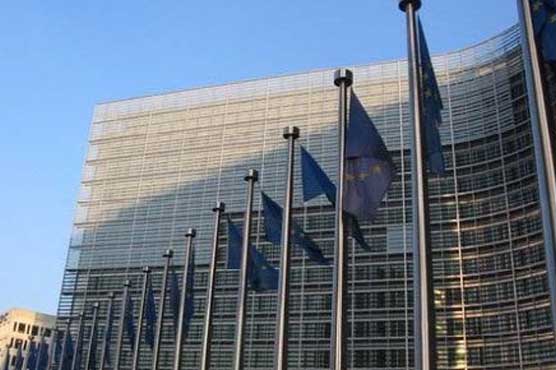
European Union leaders are set to change the date of their next summit on the debt crisis to avoid meeting during a general strike called across Belgium on January 30, sources said Wednesday.We are examining this, a source close to EU president Herman Van Rompuy told AFP on Wednesday.Another EU official also told AFP that ambassadors from the 27 EU states were told during talks on Tuesday that it had not been finally decided how to handle the general strike in Belgium on that day.The second official added of the summit: Moving the date remains an option.Van Rompuy spoke on Twitter shortly afterwards of having called a summit for the end of January.A new date may not be confirmed before Thursday, but as January 30 falls on a Monday, a summit during the preceding weekend -- outside market opening hours -- is possible.The EU has already brought forward meetings of foreign and European affairs ministers to January 23 and 27 respectively because they clashed with the summit.A warning by Belgian unions that they would seek to stage a general strike on January 30 had already been made public when the date was originally announced by Van Rompuy.Belgian media have cited difficulties for national authorities in providing usual security services when key staff could be faced with crossing picket lines in the country which recently came under a Socialist prime minister.The last summit of EU leaders in December ended with a major split between Britain and the 26 other governments in the union over how to stop the debt crisis from threatening a break-up of the 17-nation eurozone or tearing apart the entire bloc.Pressure is on for Greece to agree a painfully-negotiated debt writedown with banks and other private investors, and so unlock a planned second bailout for the government in Athens worth some 130 billion euros if all goes according to plan.But EU sources said this week that it would be a March 1-2 gathering before formally binding decisions could be taken, amid arguments over how watertight to make a new pact to tighten budgetary discipline, and on the size of bailout resources for the coming years.Some countries want leaders to add a new half-a-trillion-euro facility (some $600 billion) onto an existing bailout fund which still has around a quarter of a trillion euros available for use.
Featured