Updated on
Summary The local unit plunged to 52.50 against the greenback as foreign exchange markets opened.
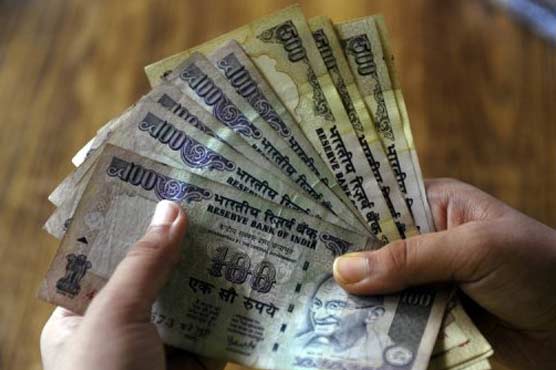
The Indian rupee on Tuesday hit a record low against the dollar, as fears about eurozone debt and the global economy as well falling local stock markets provoked further selling of the currency.The local unit plunged to 52.50 against the greenback as foreign exchange markets opened, causing further problems for the Indian central bank as it tries to rein in near double-digit inflation. The weakening rupee is expected to fuel domestic inflation because oil imports priced in dollars will become more expensive, translating into higher prices for local consumers and businesses.Forex dealers said the fall was due to investors fleeing riskier emerging market and eurozone assets, increasing demand for the dollar, which is seen as a safe-haven in times of crisis. Dealers added that the rupees fall had been exacerbated by the finance ministrys comments on Monday that the Reserve Bank of India had only a limited ability to arrest the partially convertible currencys slide.Media reports and analysts said the RBI had intervened for the first time in more than two months to try to quell the decline of the rupee, which has tumbled by about four percent against the dollar in the past six trading days.Theres no official confirmation but people think thats the case, said economist Siddartha Sanyal, from Barclays Capital.At this moment, the dynamics seem to be pretty much against all emerging market currencies and thats not really helping the rupee, he told AFP.A fall in the domestic share market also weighed on the rupee Monday, with the blue-chip Sensex index of leading shares falling 2.6 percent to 15,946.10 points.The Sensex was up 0.82 percent in early trade on Tuesday.India is a net importer, with one-third of foreign goods made up of crude oil that is used to power the energy-hungry nation.The rupee is the worst performing of Asias 10 most-traded currencies, having fallen around 14 percent since the start of 2011, while the 30-share benchmark Sensex index is faring worst among its regional peers, losing 22 percent in the same period.Thirteen interest rate hikes since March 2010 have slowed Indias fast-paced economic growth but made little impact on rising prices.Investors are also concerned about widespread corruption and a perceived lack of direction from the government, which has been embroiled in a series of corruption scandals for much of the past year.