Updated on
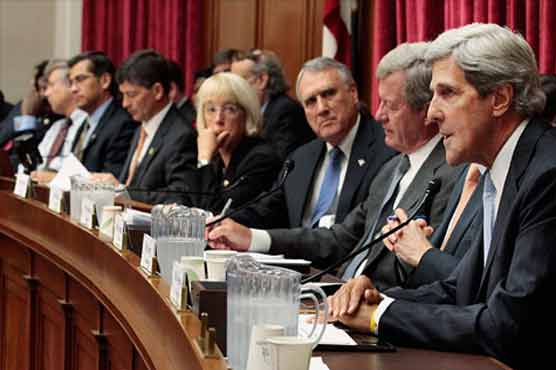
Summary Barack Obama and Democrats on deficit panel want to use committee's product to carry jobs agenda.
If the deficit-cutting supercommittee fails, Congress will face a tough choice. Lawmakers can allow payroll tax cuts and jobless aid for millions to expire or they extend them and increase the nations $15 trillion debt by at least $160 billion.President Barack Obama and Democrats on the deficit panel want to use the committees product to carry their jobs agenda.That includes cutting in half the 6.2 percent Social Security payroll tax and extending jobless benefits for people who have been unemployed for more than six months.Also caught up in what promises to be a chaotic legislative dash for the exits before the holidays next month is the need to pass legislation to prevent an almost 30 percent cut in Medicare payments to doctors who treat the elderly. Several popular tax breaks also expire at years end.A debt plan from the supercommittee, it was hoped, would have served as a sturdy vehicle, immune from Senate procedural rules requiring 60 votes to advance legislation to a final vote, to tow all of these expiring provisions into law. But if the panel fails, as appears likely with Wednesdays deadline nearing, a dysfunctional Congress will have to sort it all out.Theres no guarantee it all can get done, especially given the impact of those measures on the spiraling debt.Instead of cutting the deficit with a tough, bipartisan budget deal, Congress could pivot to spending enormous sums on expiring big-ticket policies.If lawmakers rebel against the cost, as is possible, they would bear responsibility for allowing policies such as the payroll tax cut, enacted a year ago to help prop up the economy, to lapse.Last years extensions of jobless benefits and first-ever cut in the payroll tax were accomplished with borrowed money.The 2 percent payroll tax cut expiring in December gave 121 million families a tax cut averaging $934 last year at a total cost of about $120 billion, according to the Tax Policy Center.Obama wants to cut the payroll tax by another percentage point for workers at a total cost of $179 billion and reduce the employer share of the tax in half as well for most companies, which carries a $69 billion price tag.