Summary Russian rouble sinks, Kremlin blames loose monetary policy
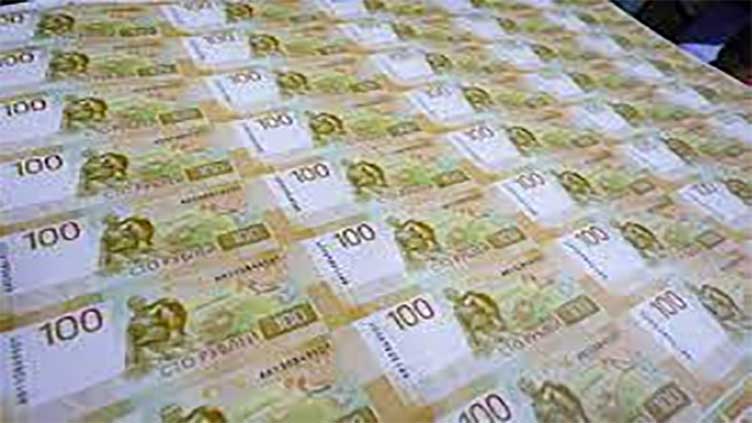
MOSCOW, Aug 14 (Reuters) - President Vladimir Putin's economic adviser rebuked the central bank on Monday as the rouble slid past 101 per U.S. dollar, blaming loose monetary policy in a sign of growing discord among Russia's monetary authorities.
The rouble has lost around a quarter of its value against the dollar since Putin sent troops into Ukraine in February 2022, as Western sanctions shrink Russia's balance of trade and military spending soars.
It hit 101.7475 per U.S. dollar on Monday, its weakest point in almost 17 months and 30% down so far this year. Based on the cross rate , the year-to-date fall was 26.2%.
Putin's economic adviser Maxim Oreshkin said the central bank could ensure that the pace of lending drops to sustainable levels with higher rates. High consumer lending, along with a stark labour shortage and wide budget deficit have all fanned inflation this year.
"The main source of rouble weakening and accelerating inflation is soft monetary policy," Oreshkin wrote in an op-ed for the TASS news agency. "The central bank has all the tools to normalise the situation in the near future."
The Bank of Russia's next scheduled interest rate decision is on Sept. 15. Asked whether it might make an emergency hike from the current 8.5%, it declined to comment.
Oreshkin said a strong currency was important for the economy. "A weak rouble complicates the economy's structural transformation and negatively affects the population's real incomes," he said.
The central bank has blamed the rouble's slide on Russia's shrinking current account surplus - down 85% year-on-year in January-July. On Monday, the bank said it saw no financial stability risks from the rouble's weakening but that a rate hike was possible soon.
Higher interest rates would make life harder for borrowers, including companies and the government as it finances military operations in Ukraine.
'LAUGHING AT US'
Central Bank Governor Elvira Nabiullina won plaudits for her handling of the economy in the immediate aftermath of Russia's invasion, but she may be being lined up as a scapegoat ahead of next March's presidential election, as the weak rouble and stubbornly high inflation hurt consumers.