Summary Pakistan has been a member of the World Bank since 1950.
ISLAMABAD (APP) - The World Bank Wednesday said it was ready to support the reform plans of the new Pakistani government for stabilising the economy and accelerating growth to end poverty and boost prosperity.
The commitment was made by the World Bank’s newly appointed vice president for the South Asia region, Hartwig Schafer, when he met key government figures to discuss Pakistan’s development priorities and reform agenda, according to a statement issued by the World Bank.
“The visit gave me an opportunity to learn more about how we support millions of people in Pakistan, especially the youth, through investments in health, nutrition, education, skills and the digital economy,” Schafer said.
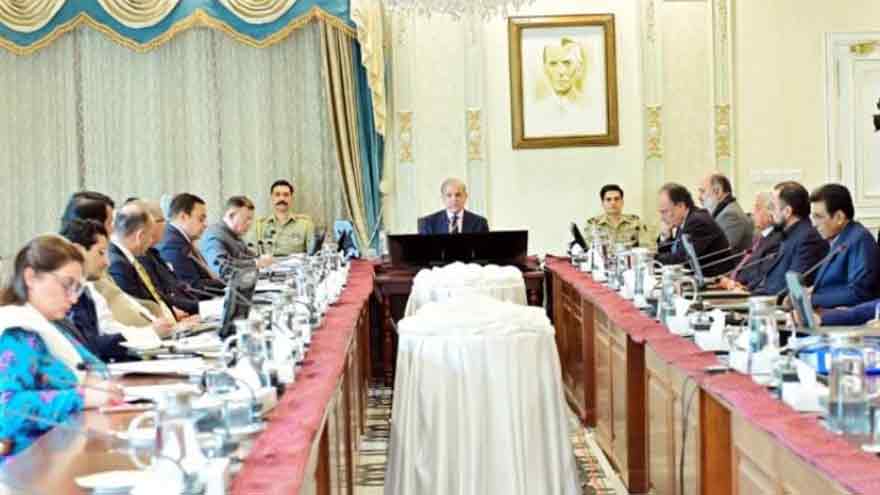
During his two-day stay in Islamabad, Schafer met Finance Minister Asad Umar, Foreign Minister Shah Mehmood Qureshi, and Adviser on Commerce, Textile, Industry, Production and Investment Razzak Dawood.
“I am impressed to learn of the Government of Pakistan’s plans for investing in human capital and creating jobs, attracting investments through ease of doing business and better regional connectivity, improving infrastructure and services in Karachi, and strengthening the management of water and the environment,” Schafer said.
“We look forward to engaging the federal and provincial governments and providing support to implement urgent reforms needed to stabilize the economy and achieve accelerated growth in the medium term.”
Schafer was appointed as the World Bank Vice President for South Asia on July 1, 2018. The region includes Afghanistan, Bangladesh, Bhutan, India, Maldives, Nepal, Pakistan, and Sri Lanka.
Pakistan has been a member of the World Bank since 1950. Since then, the World Bank has provided $33.4 billion in assistance. The World Bank’s programme in Pakistan is governed by the Country Partnership Strategy for FY2015-2020 with four priority areas of engagement: energy, private sector development, inclusion, and service delivery. The current World Bank portfolio includes 43 projects with a net commitment of $7.79 billion.