Summary Iranian currency plunged sharply as the US President Donald Trump withdrew from the nuclear deal.
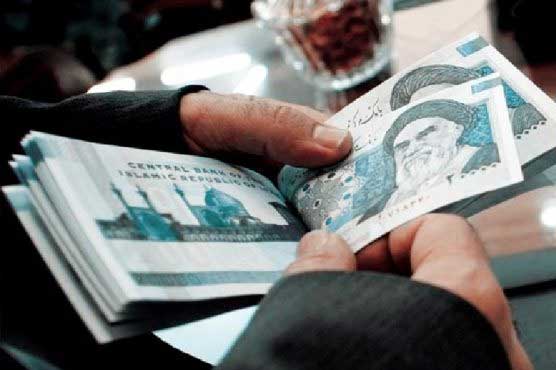
(Web Desk) - Iranian currency in open market lost charm as the currency slumped sharply where exchange companies and money changers wanted to sell below the previous levels but absent are buyers from the market.
Couple of days back the Iranian currency could be easily converted, and after paying Rs 2100 one could get easily 100,000 (one hundred thousand) Iranian currency or Toman or commonly known as Irani Riyal but now exchange companies or money changers are willing to sell it at Rs 1500 for one hundred thousand but now buyers are stepping it. Following this sellers and buyers are toally absent from the market and the neighboring country currency has plunged sharply in the global market.
Zafar Paracha, general secretary Exchange Companies Association of Pakistan said the Iranian currency plunged sharply as the US President Donald Trump withdrew from the deal and imposed sanctions on Iran, which sent ripples in the global currency market.
A leading trader said the impact came on Thursday as usually the reaction arrived after almost 24 hours whereas on Wednesday in global market Iranian currency slide sharply.
Malik Bostan, President Forex Association of Pakistan said the currency in domestic market plunged by 30 percent over the US decision. The reaction was in line with our thoughts following the President US Donald Trump decision to back off from the nuclear deal.
The Iranian ryial plunged to a record low against the U.S. dollar in the free market on Wednesday after U.S. President Donald Trump decided to withdraw from a deal on Tehran’s nuclear program, fueling fears of an economic crisis in Iran.
The dollar was being offered for as much as 75,000 rials, compared to around 65,000 just before Trump announced his decision on Tuesday night, according to foreign exchange website Bonbast.com, which tracks the free market.
The currency has been sliding for months because of a weak economy, financial difficulties at local banks and heavy demand for dollars among Iranians who feared a pullout by Washington from the nuclear deal, and renewed U.S. sanctions against Tehran, could shrink the country’s exports of oil and other goods.
The rial has tumbled from around 57,500 at the end of last month and 42,890 at the end of last year — a freefall that threatens to boost inflation, hurt living standards and reduce the ability of Iranians to travel abroad.
In an effort to halt the slide, Iranian authorities announced last month they were unifying official and free-market exchange rates at a single level of 42,000, and banning any trade at other rates under the threat of arrest.
(Details by Haris Zamir)